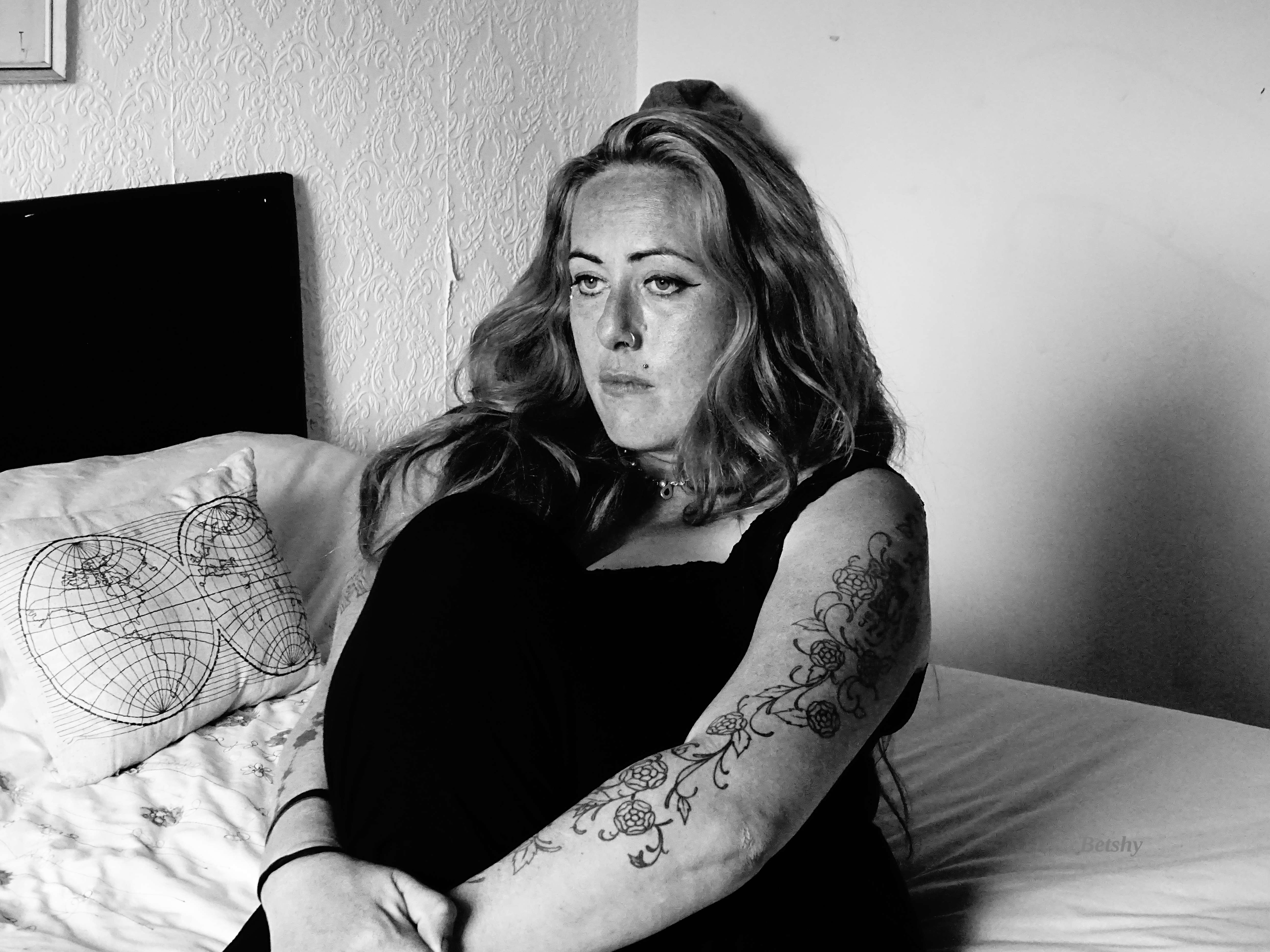


Suicidal ideation is a distressing and complex symptom common in individuals diagnosed with borderline personality disorder (BPD). Those struggling with BPD often experience intense emotional pain, impulsivity, self-destructive behaviours, and difficulties maintaining stable relationships. This blog post aims to shed light on the association between suicidal ideation and borderline personality disorder, offering a compassionate and comprehensive understanding of this challenging symptom.
Understanding Borderline Personality Disorder
Borderline personality disorder (BPD)- also known as emotionally unstable personality disorder (EUPD)- is a mental health condition characterised by unstable emotions, self-image, and relationships. Individuals with BPD often face difficulties regulating their emotions, resulting in extreme mood swings, intense anger, and fear of abandonment. Moreover, they may engage in impulsive behaviours such as self-harm, substance abuse, and reckless actions.
The Link Between Suicidal Ideation and BPD
Suicidal ideation refers to thoughts or fantasies about ending one’s life, which can range in severity from fleeting thoughts to meticulously formed plans. Studies have shown that individuals with BPD are at a higher risk of experiencing suicidal ideation compared to other psychiatric disorders. Feelings of emptiness, intense emotional pain, and a distorted perception of self are some of the factors that contribute to this heightened risk.
Factors Contributing to Suicidal Ideation in BPD
- Emotional Dysregulation: Individuals with BPD often struggle with intense negative emotions and may experience difficulties managing and coping with these emotions effectively. The overwhelming emotional pain can lead to a desire to escape, potentially resulting in suicidal ideation.
- Fear of Abandonment: Fear of abandonment is a core feature of BPD. This fear can intensify during periods of emotional distress and trigger suicidal thoughts as a way to avoid perceived rejection or abandonment.
- Impulsivity and Self-Destructive Behaviours: Impulsivity is a common characteristic of individuals with BPD. This impulsivity can manifest in self-destructive behaviours such as self-harm or substance abuse, which can increase the risk of suicidal ideation.
- Co-occurring Conditions: Many individuals with BPD also experience co-occurring conditions such as depression, anxiety disorders, or post-traumatic stress disorder (PTSD). These conditions can further exacerbate the risk of suicidal ideation.
Seeking Help and Support
It is crucial to understand that suicidal ideation in BPD is a symptom of deep emotional suffering rather than a mere desire to die. If you or someone you know is experiencing suicidal thoughts, it’s important to seek professional help immediately. Mental health professionals can provide appropriate treatment such as dialectical behaviour therapy (DBT), cognitive-behavioural therapy (CBT), and medication to help manage BPD symptoms and minimise the risk of suicidal ideation.
Additionally, building a strong support network is essential. Friends, family, and support groups can offer understanding, empathy, and a safe space to express emotions. Encouraging open communication and reducing stigma surrounding mental health discussions may also help individuals with BPD feel more comfortable seeking support.
Conclusion
Suicidal ideation in borderline personality disorder is a distressing symptom that requires understanding, compassion, and appropriate treatment. Recognising the factors contributing to suicidal ideation, such as emotional dysregulation, fear of abandonment, impulsivity, and co-occurring conditions, allows for a more comprehensive approach to providing help and support. By raising awareness and promoting early intervention, we can strive towards reducing the profound impact of suicidal ideation in individuals with BPD and foster a more compassionate society for mental health.
Share this:

You Might Also Enjoy Reading