Have you ever wondered why certain thoughts and memories pop into your head seemingly out of nowhere? Perhaps you’ve had a dream that left you perplexed or found yourself inexplicably drawn to specific objects or activities. The human mind is a complex and fascinating entity, and exploring its depths can help us gain valuable insights into our emotions, experiences, and even our subconscious desires. One technique that has gained considerable attention in this regard is psychological free association.
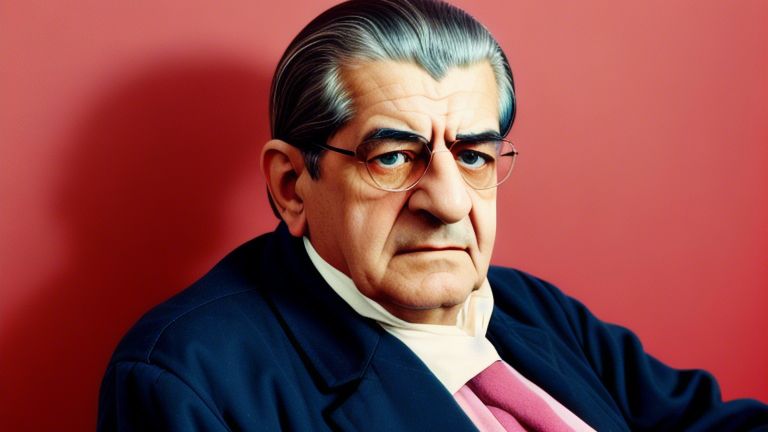
Psychological free association is a method developed by Sigmund Freud, the father of psychoanalysis. It involves allowing thoughts, images, and memories to flow uninhibitedly without censorship or restraint. By accessing the unconscious mind and examining the associations that emerge, psychologists can attempt to uncover underlying patterns or symbols that may hold significance in understanding an individual’s psyche.
The key premise behind psychological free association is the belief that the mind is composed of various interconnected networks of thoughts and experiences. Often, these connections are hidden from our conscious awareness. By entering a relaxed state and letting the mind wander, free association allows these connections to surface, offering valuable insights into an individual’s mental and emotional landscape.
So how does psychological free association work in practice? It typically involves a therapist or guide who encourages the individual to express whatever comes to mind, without judgement or filtering. The participant is encouraged to speak freely, allowing their thoughts to connect naturally to the next thought or image that arises. This free-flowing process encourages new associations to emerge, shedding light on deep-rooted emotions and desires.
Psychological free association is often used as a tool to access buried or repressed memories, helping individuals work through unresolved issues. Memories, dreams, and even seemingly unrelated thoughts can hold significant meaning when analysed through the lens of free association. For example, a recurring dream about falling from a great height might relate to feelings of insecurity or a fear of failure.
The method has also been used in broader psychological research and creativity enhancement. Free association can help uncover hidden motivations, fears, or desires that may influence behaviour. It can assist in understanding the roots of phobias, identifying patterns in relationships or decision-making, and even inspire new ideas or artistic creations.
However, it’s essential to note that free association is not a one-size-fits-all solution. While it can provide valuable insights into our inner world, it is only one tool in a larger toolbox of psychological techniques. The interpretations derived from free association should be examined in the context of an individual’s unique experiences, cultural background, and personal history.
As a concluding note, psychological free association offers us a window into our unconscious minds, enabling us to unravel the complex tapestry of our thoughts and emotions. By exposing the hidden connections between ideas, memories, and desires, we gain a deeper understanding of ourselves. Whether used in therapy or personal introspection, free association invites us to explore the depths of our being, unlocking the secrets of our own minds.
Share this:

You Might Also Enjoy Reading