

From the moment we are born, desire becomes an intrinsic part of our lives. Whether it’s craving a favourite toy, yearning for a fulfilling career, or longing for a satisfying relationship, desires shape our thoughts, actions, and aspirations. The study of desire from a psychological perspective helps shed light on the underlying motivations, influences, and complexities of our deepest drives. In this blog post, we will explore the fascinating world of desire and unravel some of its intricacies.
Understanding the Nature of Desire
Desire can be described as a powerful force that compels us to seek out or pursue certain goals, objects, or experiences. It is often driven by an intense emotional longing or a need for personal fulfilment. As humans, we possess multifaceted desires that can be materialistic, emotional, or intellectual in nature, encompassing a range of areas such as ambition, love, social status, power, or even self-actualisation.
The Role of Unsatisfied Needs
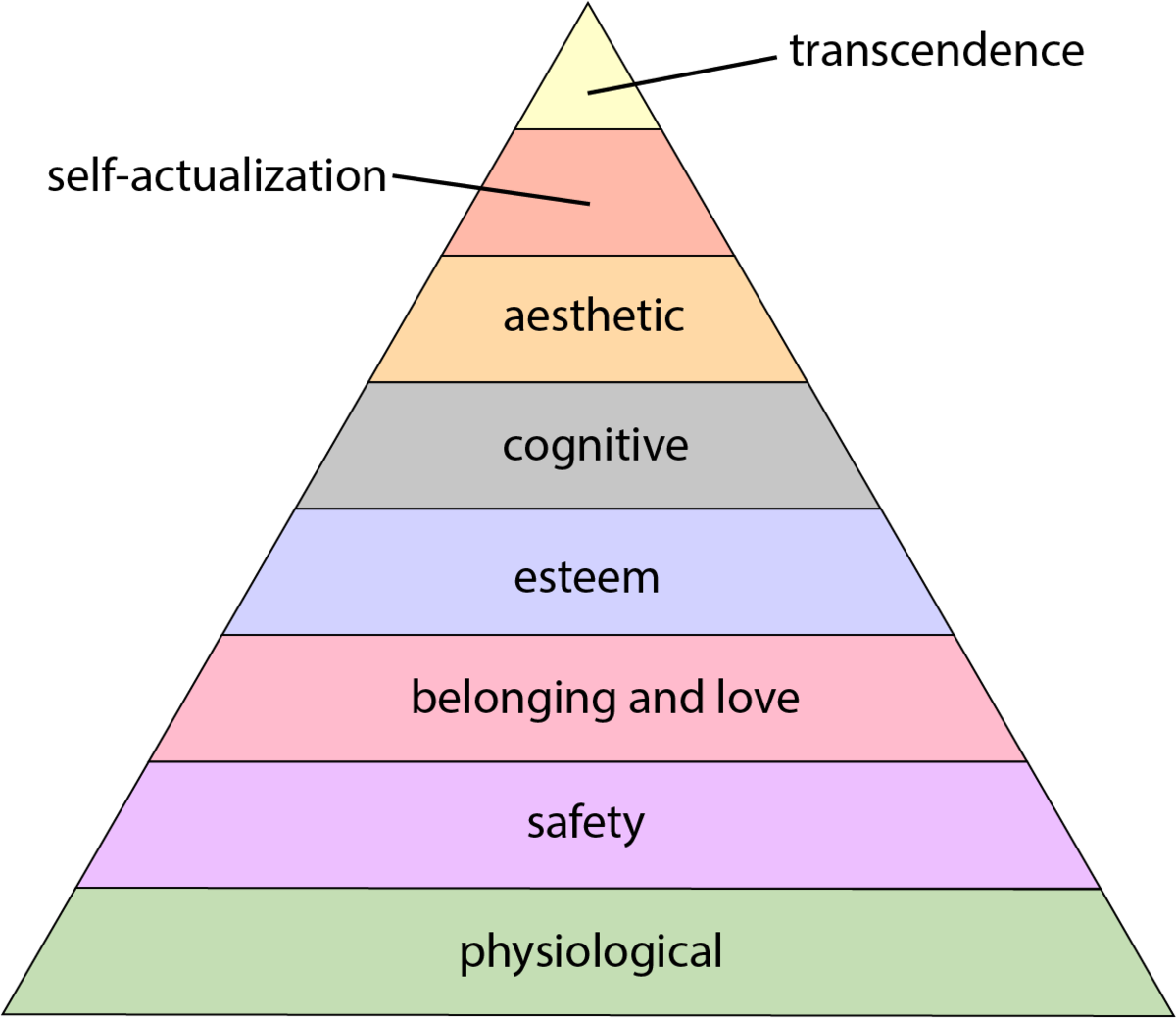
At the core of desire lies our unmet needs. According to Abraham Maslow’s Hierarchy of Needs, human motivation is structured in a pyramid, with basic physiological needs at the bottom, safety, love, esteem, and self-actualisation occupying higher tiers. Desire arises when we experience a discrepancy between our current state and the fulfilment of these needs. It fuels our pursuit to close this gap and ultimately attain a state of satisfaction and contentment.
Influence of Culture and Social Conditioning
Our desires are significantly shaped by cultural and societal influences. From an early age, we absorb a set of values, norms, and expectations that contribute to our sense of what is desirable. For example, media depictions, advertisements, and peer pressure can influence our desires for certain products or lifestyles. Understanding this influence allows us to critically evaluate our desires and distinguish between authentic aspirations and external programming.
The Role of Emotions in Desire
Emotions play a vital role in the psychology of desire. Desire is often closely intertwined with feelings of happiness, excitement, passion, and even frustration or discontentment. It is these emotional states that provide the motivation and energy to pursue our desires relentlessly and take action towards achieving them. Understanding and managing our emotions can help us make conscious choices, preventing impulsive reactions driven solely by desire.
The Danger of Excessive Desire
While desire can serve as a catalyst for personal growth and achievement, excessive desires can also have adverse effects on our well-being. When desires become extreme or unmanageable, they can lead to addiction, greed, frustration, or even obsession. Exercising mindfulness and balance, as well as regularly reassessing the authenticity and feasibility of our desires, can help prevent them from becoming overwhelming or detrimental.
Conclusion
Exploring the psychology of desire unveils a myriad of factors that shape our motivations, actions, and overall well-being. By understanding the influence of unsatisfied needs, societal conditioning, and emotional states, we can navigate our desires more consciously and effectively. Balancing our desires with a sense of contentment and self-awareness allows us to lead fulfilling lives while avoiding the pitfalls of excessive desire. So, let us embrace our desires, explore our passions, and strive to achieve our goals, all while maintaining a healthy and balanced perspective on what truly matters in life.
Share this:

You Might Also Enjoy Reading