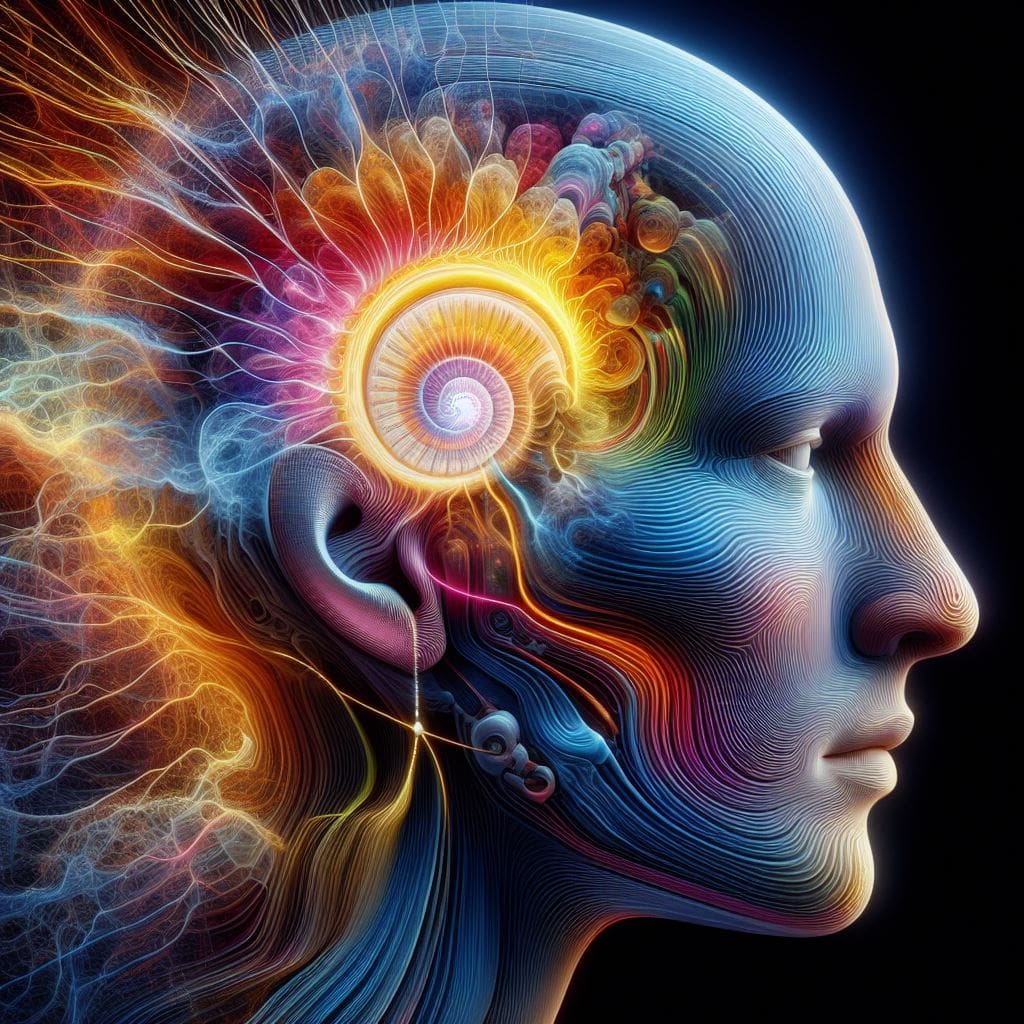


In today’s fast-paced and ever-evolving digital world, businesses are continually striving to provide seamless user experiences (UX) that captivate and retain users. The success of a digital product or service heavily relies on its ability to engage users and meet their expectations. But have you ever wondered what lies beneath the surface of a delightful user experience? It’s time to dive into the fascinating realm of the psychology of user experience.
User experience is a multidimensional concept that encompasses various aspects such as usability, accessibility, functionality, and aesthetics. However, at its core, UX is all about understanding the human mind and applying psychological principles to create engaging digital experiences. Successful UX design requires empathy and an in-depth understanding of how users perceive and interact with digital interfaces. By delving into users’ needs, goals, motivations, and emotions, UX designers can craft meaningful experiences that resonate with their target audience.
One crucial psychological concept to consider when designing user experiences is cognitive load, which refers to the amount of mental effort required to use a product or service. Users have limited cognitive resources, and if a digital interface overwhelms them with too much information or complex interactions, it can lead to frustration and abandonment. To reduce cognitive load, designers need to focus on simplicity, prioritise essential information, and follow conventional design patterns that users are familiar with. By doing so, they can create intuitive interfaces that users can effortlessly navigate, ensuring a positive user experience.
Another fundamental aspect of the psychology of user experience is the power of perception. Users form their first impressions of a digital interface within milliseconds, and these first impressions significantly influence their overall perception of the product or service. Design elements such as colours, typography, and visual hierarchy play a crucial role in shaping these impressions. For example, the strategic use of colours can evoke specific emotions or associations in users. Understanding the psychology behind colour theory allows designers to create visually appealing interfaces that resonate with users on a subconscious level.
Humans are inherently social beings, and this social aspect carries over into the digital realm. For this reason, the social psychology of user experience is a vital consideration. Users seek validation from others, and social proof plays a significant role in influencing their decision-making process. Incorporating social elements such as reviews, testimonials, or social media integrations can enhance credibility and trust, leading to increased user engagement and conversion rates. Additionally, creating opportunities for users to connect and engage with each other through features like forums or comment sections can foster a sense of community, further enhancing their experience.
Emotions are at the heart of the human experience, and their influence extends to the digital landscape. Designers who understand the role of emotions in UX can harness their power to create memorable experiences. Emotionally engaging interfaces are more likely to leave a lasting impression on users, increasing brand loyalty and advocacy. Whether it’s evoking a sense of delight through delightful animations, reducing anxiety through reassuring feedback, or sparking curiosity through gamification elements, designers can strategically incorporate emotional triggers to enhance user experiences.
In conclusion, the psychology of user experience is a fascinating field that provides invaluable insights into human behaviour and cognition. By understanding the principles of cognitive load, perception, social psychology, and emotional design, UX designers can create engaging digital experiences that resonate with users. By placing the user at the centre of the design process and considering their psychological needs and preferences, businesses can cultivate positive user experiences that drive success in today’s digital landscape.
Share this:

You Might Also Enjoy Reading