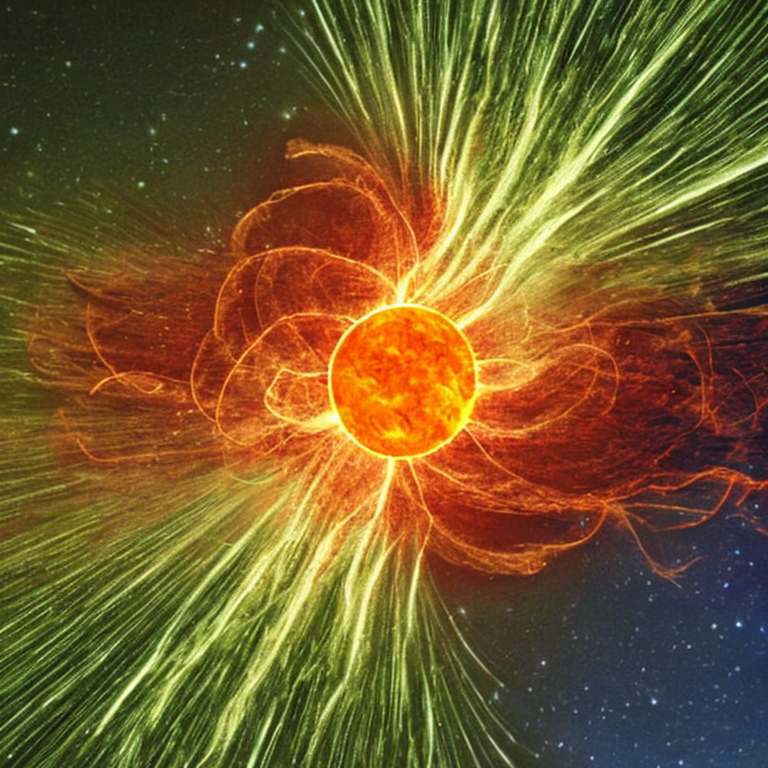

Solar flares and anthropogenic activity is a reality that proves that humans have underestimated themselves and their capacity to exercise universal power. Solar flares are natural phenomena that are created by the sun and emit large amounts of energy, while anthropogenic activity is the activity that humans create such as the burning of fossil fuels or the release of certain pollutants into the environment. Both of these activities have an impact on the Earth’s climate. Solar flares have been known to cause disruptions in communication systems, power outages, and other technological issues. Solar flares can also cause damage to satellites, and can even pose a threat to astronauts in space. In terms of climate change, solar flares can increase the amount of ultraviolet radiation that reaches the Earth, which can have a warming effect on the planet. Anthropogenic activity, on the other hand, is mainly responsible for the increase of greenhouse gas emissions into the atmosphere. These gases trap heat from the sun and cause the Earth to warm up. This can lead to a number of impacts such as changes in weather patterns, sea level rise, and more. Although both solar flares and anthropogenic activity can have an impact on the environment, it is important to remember that humans are still responsible for the majority of climatic changes. We should therefore do our best to reduce our emissions and take steps to mitigate the effects of our activities.
The bounceback effect of the universe, that is, the effect of our actions being felt in ways we cannot understand, is a reminder that humanity should be careful in what we do and how we act. We should always be mindful of our impact on the environment and strive to reduce our emissions and take measures to prevent further damage to the environment.
I am currently experimenting with RANDOM.ORG generations to guide A.I.
In order to predict future solar flares, I am using a combination of Artificial Intelligence (AI) and Quantum Physics. By combining a variety of data and technologies, I am able to create models which simulate and predict solar activity. These predictions will offer us a better insight into the consequences of our anthropogenic activities and the potential harm they may have on the environment.
In order to improve the accuracy of my predictions, I am continually gathering more information and making more

Understanding
The sun emits solar flares, which are high-energy bursts of radiation that travel outward from the sun’s surface. These flares can interact with Earth’s upper atmosphere and create auroras, solar storms and disruptions to communication signals, power grids, and satellites. Solar flares have been studied
The phenomena resulting from particle interactions within a solar flare can be used to learn about the behavior
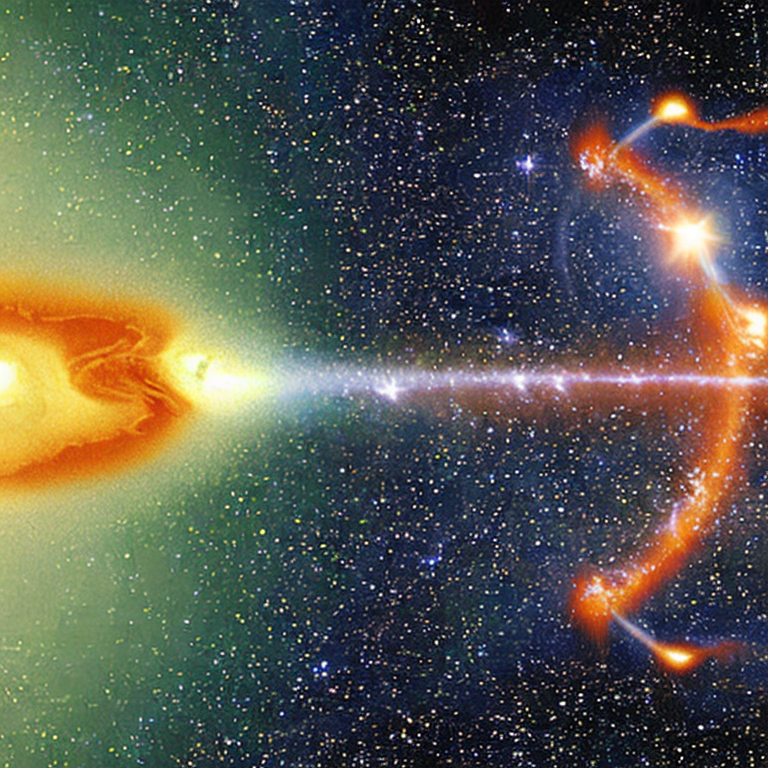
The sun emits solar flares, which are high-energy bursts of radiation that travel outward from the sun’s surface. These flares can interact with Earth’s upper atmosphere and create auroras, solar storms and disruptions to communication signals, power grids, and satellites. Solar flares have been studied

Anthropogenic activity, or human-caused activities, can affect the amount and intensity of the sun’s coronal mass ejections, or CMEs. These ejections increase the chances of solar flares, and the conditions with which they occur. As more and more orbiters, satellites, and electrical
Share this:

You Might Also Enjoy Reading