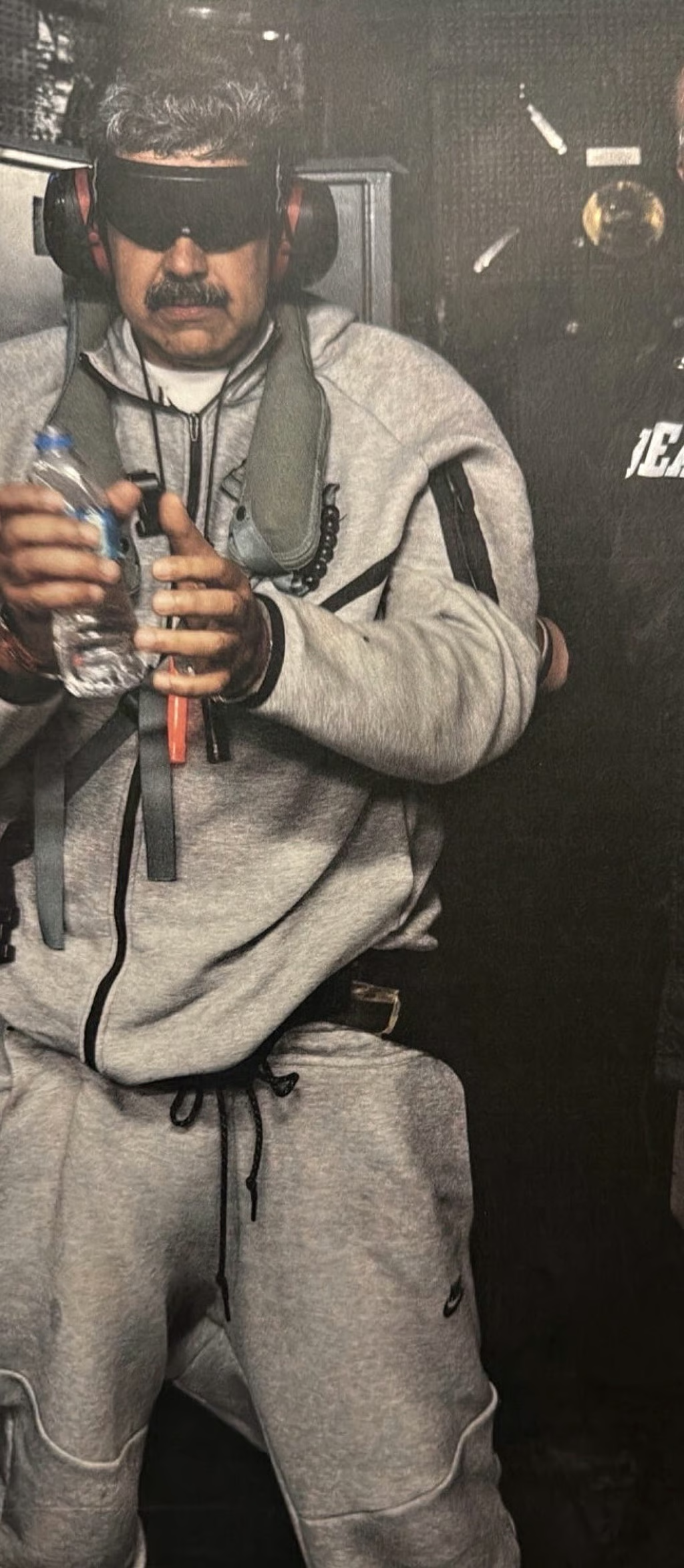
Trump bombed Venezuela, killing over 40 people (including civilians); and captured President Maduro on the 3rd January, 2026. The entire world instantly had headlines about the event, and the iconic picture of Maduro blindfolded and deafened was on the front page of many high-profile newspapers (BBC News, 2026). Here I present an objective analysis of the situation; as well as paint a picture about what to expect next. The evidence will be presented, and the reader will be equipped to form her or his opinion on the matter.
Advertisements
The event spread like wildfire on the 3rd January, 2026. Maduro’s image wearing headphones and a blindfold became viral to the point that the Nike tracksuit he was wearing sold out fast (The New York Times, 2026). The year began with a bang, and a schism. Many took to the streets to celebrate the downfall of Maduro, a figure who was perceived by many as a dictator who ruled the country for nearly 13 years since 2013 (Encyclopedia Britannica, 2026). Others, however, took to the streets to protest and demand that their President be returned, condemning the US as an imperialist and neocolonialist state.
The Venezuelan People March Against The United States
But what are Trump’s real motivations behind his saviour facade? One thing he has explicitly admitted to is that he wants, and he will take, Venezuela’s oil 🛢️; or else, further and worse attacks would take place. (AP News, 2026; Time, 2026).
In 2025, Donald Trump, back as U.S. President, has introduced a set of trade policies called “reciprocal tariffs.” These tariffs are taxes on goods coming into the U.S., designed to match what other countries charge the U.S. for its exports. The idea is to make trade “fair” in Trump’s view, by protecting American businesses and jobs. But these changes aren’t just about the U.S.—they’re sending ripples across the world, and the UK is feeling the impact. Let’s break down what these tariffs are, how they’ll hit the UK, and what it might mean for everyday people and the economy.
Advertisements
What Are Trump’s Reciprocal Tariffs?
First, let’s get the basics. A tariff is like a fee a country puts on stuff it imports—like cars, food, or steel. Trump’s plan, rolled out in April 2025, starts with a 10% tariff on everything the U.S. buys from other countries, kicking in on April 5. Then, on April 9, he’s adding extra tariffs on specific countries based on how much they sell to the U.S. compared to what they buy back. For example, China gets hit with a whopping 54% tariff, the European Union (EU) gets 20%, and the UK faces a 10% rate—though some worry it could climb higher later.
Trump says this is about fairness. He argues that countries like the UK charge the U.S. too much for its goods (like through taxes like VAT), while the U.S. has been too soft in return. He also wants to bring manufacturing back to America by making foreign goods pricier. But here’s the catch: these tariffs don’t just affect U.S. shoppers—they change things for countries like the UK that sell to the U.S.
How Does the UK Trade with the U.S.?
The UK and U.S. are big trading buddies. The UK sends over £60 billion worth of goods to the U.S. every year—think luxury cars like Rolls-Royce, whisky from Scotland, and medicines from companies like AstraZeneca. In return, the UK buys stuff like tech gadgets, food, and energy from the U.S. This back-and-forth supports jobs and keeps prices steady. But Trump’s tariffs are shaking things up.
Direct Hit: Higher Costs for UK Exports
The most obvious effect is on UK businesses that sell to the U.S. Starting April 5, 2025, that 10% tariff means American companies importing UK goods—like a £100,000 Aston Martin—will pay an extra £10,000 to the U.S. government. That’s a big jump. Some U.S. buyers might swallow the cost, but many will either pass it on to American customers (making UK goods pricier) or just buy less from the UK. For industries like car manufacturing, where 18% of UK car exports go to the U.S., this could mean fewer sales and maybe even job cuts.
Take whisky as another example. Scotland’s whisky industry sends a lot to the U.S.—it’s a huge market. A 10% tariff might not sound like much on a £50 bottle, adding just £5, but if American shops and bars start buying less because of the extra cost, that hits Scottish distilleries hard. Experts reckon sectors like this could see exports drop by up to a fifth if the tariffs stick.
Knock-On Effects: Prices and Jobs in the UK
So, what does this mean for people in the UK? Well, it’s not just about exports. If UK companies lose U.S. customers, they might have to cut costs—sometimes by laying off workers. Car factories, whisky makers, and even drug companies could feel the pinch. Fewer jobs mean less money floating around in towns that rely on these industries.
Then there’s the flip side: goods coming into the UK from the U.S. Right now, the UK hasn’t slapped tariffs back on U.S. imports, hoping to keep talks friendly and maybe dodge worse tariffs later. But if the UK does retaliate—say, with a 10% tax on American iPhones or beef—prices here could rise. A £500 phone could jump to £550, and that’s before shops add their own markup. Food prices might creep up too, especially if trade gets messier.
The Bigger Picture: Economic Growth Takes a Hit
The UK’s economy isn’t in great shape to start with—growth is slow, and the government’s trying to balance its books. Trump’s tariffs could make things trickier. The Office for Budget Responsibility (OBR) warned that if the U.S. and others keep raising tariffs, UK growth could shrink by 0.6% this year and 1% next year. That’s billions of pounds lost. Another group, the National Institute of Economic and Social Research (NIESR), thinks the damage could be even worse—up to 3% less growth over five years.
Why? Because when trade slows, everything slows. Less money comes into the UK from exports, and businesses get nervous about investing. Plus, if the U.S. economy stumbles under its own tariff costs (more on that later), it’ll buy less from everyone, including the UK. It’s like a domino effect.
Inflation and Interest Rates: A Balancing Act
Here’s where it gets personal for UK households. Tariffs can push prices up—economists call this inflation. If UK businesses struggle and goods get pricier, people might demand higher wages to keep up. That could force the Bank of England to keep interest rates high (they’re at 4.5% now) to stop prices spiralling. High rates mean pricier mortgages and loans, but better returns for savers. The Bank’s already hinted tariffs are making them cautious about cutting rates soon.
On the other hand, some say prices might drop at first. If countries like China can’t sell to the U.S. because of huge tariffs, they might send cheap steel or gadgets to the UK instead. That could be a short-term win for shoppers, but it’d hurt UK companies trying to compete.
The Pound and Global Trade Chaos
The pound’s value could wobble too. When trade gets rocky, investors get jittery, and the pound might fall against the dollar. A weaker pound makes imports—like oil or tech—costlier, adding more pressure on prices. It’s a bit of a vicious circle.
Globally, Trump’s tariffs are sparking a trade war. The EU’s already planning £22 billion in counter-tariffs on U.S. goods like jeans and whiskey. If the UK gets dragged in, it could face a tough choice: side with the U.S. for a better deal, or stick closer to the EU, its biggest market. Prime Minister Keir Starmer’s trying to play it cool, pushing for a U.S. trade deal to soften the blow, but it’s a gamble.
Winners and Losers in the UK
Not everyone’s affected the same way. Big UK drug firms like GSK, which get 40-50% of sales from the U.S., might struggle with tariffs on ingredients crossing borders. Luxury car makers could lose out if American buyers switch to homegrown brands. But some UK businesses—like clothing makers—might see a tiny boost if U.S. shoppers turn to British brands over pricier EU ones.
For regular people, it’s mostly bad news. Higher prices at the shop, fewer jobs in some areas, and maybe a bumpier economy overall. Pension pots could take a hit too, since many are tied to stock markets that tanked after Trump’s announcement—think 4-6% drops in a day.
What’s Next?
The UK government’s in a tight spot. Starmer’s team wants to avoid a trade war, but if Trump hikes tariffs further—say, to 20% because of the UK’s 20% VAT—they might have to fight back. Talks for a U.S.-UK trade deal are ongoing, but there’s no guarantee they’ll dodge the worst. Meanwhile, businesses are bracing for a rocky 2025, and households might need to tighten their belts.
In short, Trump’s 2025 reciprocal tariffs are a big deal for the UK. They’ll likely mean higher costs, slower growth, and some tough times ahead. It’s not all doom—there could be short-term bargains—but the overall vibe is uncertainty. How it all shakes out depends on how the UK, U.S., and the world play their next moves. For now, it’s a waiting game with real stakes for everyone.
Donald Trump started his new presidency in January, 2025. Since then, he’s made some big changes to how the country handles trade with other nations. One of his key moves was introducing gigantic tariffs. Today, April 3, 2025, some big changes are kicking off with how the U.S. deals with stuff coming in from other countries. President Trump has just rolled out a bunch of new tariffs—think of them as extra taxes slapped on imported goods. These tariffs are all about protecting American businesses and workers, but they’re stirring up a ton of debate and worry. Let’s break it down in a chill, easy way.
Advertisements
What Are Tariffs?
Picture this: you’re grabbing a toy made in China from the store. Normally, you’d pay the price tag plus maybe some sales tax. But with a tariff, the government tacks on an extra fee because that toy came from another country. Suddenly, it’s pricier, which might make you think, “Hey, maybe I’ll get the U.S.-made one instead.” That’s the whole idea—tariffs make foreign stuff cost more to give local industries a fighting chance.
Why do governments use tariffs? The main idea is to help businesses and workers at home. If foreign goods cost more, people might choose to buy things made in their own country instead. This can protect local companies and keep jobs from going away. For example, if a toy from China costs more because of a tariff, you might pick a toy made in the U.S. instead, helping American toy makers.
Trump’s 2025 Tariffs: The Details
Trump’s new tariffs are pretty huge. Here’s the rundown:
10% Baseline Tariff: Every single thing coming into the U.S.—cars, clothes, electronics, you name it—gets hit with an extra 10% tax. No exceptions.
Reciprocal Tariffs: On top of that, some countries get an even bigger whack because Trump thinks they’ve been unfair with trade. China’s the big one—they’re facing an extra 34%, so their total tariff is 44% (10% + 34%). Other places like the European Union, Japan, and India are also getting higher tariffs, based on stuff like how much they sell to us versus what they buy from us.
These tariffs aren’t random—they’re meant to match or punish what other countries charge U.S. goods, plus tackle things like trade surpluses (when they export more to us than we do to them).
Why’s Trump Doing This?
So, what’s the deal? Trump says it’s all about fixing trade imbalances and saving American jobs. He’s convinced that countries like China have been playing dirty—selling us tons of stuff while barely buying from us, or using tricks like keeping their currency cheap to undercut U.S. prices. By jacking up the cost of their goods here, he’s hoping companies will start making more stuff in the U.S. instead. Plus, he thinks it’ll force other countries to cut better trade deals and shrink the trade deficit—that’s the gap between what we import and export.
What Could Happen? The Good and the Bad
Here’s where it gets tricky. These tariffs could shake things up in a bunch of ways:
The Upside (Maybe)
More U.S. Jobs? If foreign goods get too pricey, companies might build factories here instead of overseas. That could mean more manufacturing gigs.
Fairer Trade? Trump’s betting other countries will back off their own tough rules to avoid these tariffs, levelling the playing field.
The Downsides (Yikes)
Higher Prices: Everyday stuff—like your phone, shoes, or even groceries—could cost more if companies pass on the tariff costs to you.
Business Struggles: Companies that need imported parts (think car makers or builders) might see their costs shoot up, which could mean layoffs or slower growth.
Retaliation: Other countries aren’t happy. China and the EU are already talking about slapping tariffs on U.S. stuff like soybeans, cars, or whiskey. That could tank demand for American exports.
Real talk: if you’re buying a smartphone made in China, that 44% tariff might hike the price. Or if you’re a farmer shipping soybeans to China, their retaliatory tariffs could make your crop too expensive, cutting your sales.
The Big Debate
People are all over the place on this. Some folks cheer it on, saying it’s about time the U.S. stood up to countries that’ve been unfair—they think it’ll bring back jobs and make trade legit. Others? Not so much. They say tariffs are a clumsy fix that hit regular people—like you and me—with higher prices and could even mess up jobs in industries tied to global trade. Economists can’t agree either—some think targeted tariffs could work, but these broad ones might spark a trade war or tank the economy. Even Trump’s own party is split; a few senators tried to stop some tariffs, but no dice so far.
How’s This Different From Before?
This isn’t Trump’s first tariff rodeo. Back in his first term, he hit specific stuff like steel and aluminium from certain countries. But these 2025 tariffs? They’re way bigger, covering everything and cranking up the heat with those reciprocal rates. It’s a major escalation.
When’s It All Happening?
The tariffs got announced on April 2, and since today’s April 3, the ball’s rolling. They’ll hit in stages: the 10% baseline starts April 5, and the extra reciprocal ones kick in April 9. But the process is underway now, so it’s real.
What’s the Bottom Line?
Trump’s tariffs are a gutsy play to tilt trade in America’s favour. They might boost some industries and push other countries to rethink their game. But the risks? Higher prices, struggling businesses, and ticked-off trading partners who hit back. It’s a mixed bag—no one’s 100% sure how it’ll shake out. If you’re shopping for imported stuff, watch those prices. If you’re in exports, brace for some bumps. Either way, these tariffs are flipping the trade script, and we’re all along for the ride.
So, there you go—Trump’s 2025 tariffs in a nutshell, no fancy jargon needed! What do you think—good move or big mess?
Donald Trump has never been one to shy away from controversy, and his recent involvement in P. Diddy’s “Freak Off” parties is no exception. The parties, which were notorious for their wild and illicit activities, have come under scrutiny in recent weeks after allegations of drug use, sexual misconduct, and human trafficking surfaced.
Advertisements
According to sources close to the situation, Trump was a frequent attendee at these events, where he reportedly engaged in lewd and inappropriate behaviour that raised eyebrows among those present. Some witnesses have even claimed that Trump was involved in the organisation and planning of the parties, using his wealth and influence to secure not only prominent guests from various sectors, including entertainment and politics, but also to create an aura of exclusivity that drew attention and curiosity.
This alleged involvement reportedly extended to covering up any illegal activities, as numerous stories circulated about extravagant displays of affluence intertwined with morally questionable conduct, painting a picture of an environment that prioritised privilege over accountability. Such actions have led to significant public scrutiny, leaving many to wonder about the ramifications of these high-profile gatherings.
A piece of evidence is that Donald Trump is listed as one of the many celebrities who were invited to the extravagant parties hosted by P. Diddy, which often attracted an array of elite guests from various sectors of entertainment and beyond. There are also many pictures of Trump with P. Diddy, indicating they had a close friendship that spanned several years, frequently appearing together at high-profile events and enjoying social gatherings.
Moreover, lawsuit-related investigators have stated that Mr. Combs had secretly installed discreet cameras in every room of his lavish estate, meticulously recording compromising footage of every single celebrity who attended his parties, capturing not just their interactions, but also their most private moments. This extensive collection of footage raises serious concerns regarding privacy and consent, and, of course, would include Trump among the numerous high-profile figures caught on tape.
Several witnesses have reported what they saw at these parties they attended, detailing the shocking extent of the activities that unfolded in these environments. For instance, they witnessed a lot of people having sex openly, with numerous couples and groups openly engaging in intimate acts without any sense of shame or reservation. The atmosphere was charged with a palpable sense of excitement and permissiveness, as people explored their desires without fear of judgment. There was even a “locked room,” which was the official “Freak Off” room, shrouded in mystery and intrigue, attracting those seeking more adventurous experiences. Yet, the entire party— including the areas outside this room— were full of debauchery and sexual disinhibition, as guests consumed alcohol and mingled in a haze of euphoria.
Furthermore, a number of illegal activities took place at these parties, such as the rampant use of illicit drugs that flowed freely, accompanied by the atmosphere of reckless abandon that encouraged substance abuse. This environment not only heightened the risks associated with drug use but also created avenues for more sinister operations like sex trafficking, which lurked in the shadows, casting a dark shadow over the otherwise chaotic festivities.
The ever-present threat of exploitation amidst the revelry further complicated the situation, as it blurred the lines between consensual encounters and coercion. The combination of unrestricted sexual expression and criminal undertones painted a troubling picture of a world where hedonism reigned supreme, often at the expense of safety and consent, causing both participants and bystanders to grapple with the unsettling reality that what was meant to be an escape had devolved into a breeding ground for exploitation and danger.
Indeed, some victims testify that they were forced to participate in the “Freak Offs”, a disturbing practice that has drawn widespread condemnation and raised serious ethical concerns within the entertainment community. The youngest victim that has filed a lawsuit against Sean Combs is a girl who was aged just 9 at the time of the offence, highlighting the alarming exploitation of minors in an environment that should prioritise their safety and well-being.
This scandal has not only put a spotlight on Trump’s ties to the entertainment industry but has also ignited a broader conversation about the culture of silence and complicity that often surrounds such high-profile figures. Furthermore, it has shed light on his history of questionable behaviour, raising significant questions about accountability and the standards to which public figures should be held. Critics have pointed to this as further evidence of Trump’s moral bankruptcy and lack of judgement, as they argue that his associations and dealings reflect a troubling disregard for ethical practices and the welfare of vulnerable individuals within the industry.
Many are calling for a full investigation into the extent of Trump’s involvement in the “Freak Off” parties scandal, and some are even calling for legal action to be taken against him. It remains to be seen how this scandal will impact Trump’s political career and public image, but one thing is for certain – his association with these parties will not be forgotten anytime soon.