Tag: Theology

  • The Psychology of Religion: Influences and Impacts on Believers

    The Psychology of Religion: Influences and Impacts on Believers

    Advertisements

    One of the key factors that contribute to a person’s religious beliefs is their upbringing. Children raised in religious households are more likely to adopt the same beliefs as their parents, as they are exposed to religious teachings and practices from a young age. This early indoctrination can create a strong emotional attachment to their faith, making it difficult for them to question or deviate from it later in life.

    Another factor that influences religious beliefs is the need for meaning and purpose in life. Religion offers a sense of structure and meaning, providing answers to life’s biggest questions and offering a sense of comfort and security in an otherwise chaotic world. Believing in a higher power can help individuals cope with feelings of uncertainty and existential angst, providing a sense of hope and reassurance in times of struggle.

    Moreover, religion plays a significant role in shaping people’s moral values and behaviors. Many religious teachings emphasise the importance of kindness, compassion, and forgiveness, encouraging followers to treat others with respect and empathy. Believing in a higher power can also provide a sense of accountability and fear of punishment, motivating individuals to behave in ways that are consistent with their faith’s teachings.

    However, religion can also have negative psychological effects on individuals. In some cases, religious beliefs can lead to feelings of guilt, shame, and anxiety, as followers struggle to live up to the expectations set by their faith. Additionally, rigid adherence to religious doctrines can lead to close-mindedness and intolerance towards those who do not share the same beliefs, fuelling prejudice and conflict in society.

    Overall, the psychology of religion is a complex and multifaceted topic that continues to intrigue psychologists and researchers alike. Understanding the factors that drive individuals to adhere to a particular faith can provide valuable insights into human behaviour and belief systems, shedding light on the powerful role that religion plays in shaping people’s beliefs, values, and behaviors. By exploring the psychological motivations behind religious beliefs, we can gain a deeper understanding of the human experience and the ways in which religion influences our lives.

  • Freedom From Religion Foundation: Advocating for Secularism and Non-theism

    Freedom From Religion Foundation: Advocating for Secularism and Non-theism

    Advertisements

    One of the primary goals of the FFRF is to challenge government actions that promote or endorse religion. This includes fighting against prayers in schools, religious displays on public property, and government funding for religious organisations. The FFRF also works to support the rights of individuals to be free from religious coercion or discrimination.

    In addition to their legal advocacy work, the FFRF also works to educate the public about the importance of secularism and the separation of church and state. They publish a regular magazine, Freethought Today, which covers a wide range of topics related to non-theism and secularism. The FFRF also offers scholarships for secular students and provides resources for individuals looking to assert their rights to freedom from religion.

    The FFRF’s work is important in ensuring that all individuals in the United States have the right to religious freedom, including the right to not believe in any religion. By advocating for the separation of church and state and promoting secularism, the FFRF is working to create a more inclusive and diverse society where all individuals can feel respected and valued, regardless of their religious beliefs.

    Overall, the Freedom From Religion Foundation is a vital organisation that is fighting to protect the rights of non-believers and promote secularism in our society. Their work is important in ensuring that all individuals have the freedom to believe, or not believe, as they see fit.

  • Unveiling the Mystery of the Vatican: Secret Archives, Catacombs, and Spiritual Wonders

    Unveiling the Mystery of the Vatican: Secret Archives, Catacombs, and Spiritual Wonders

    Advertisements

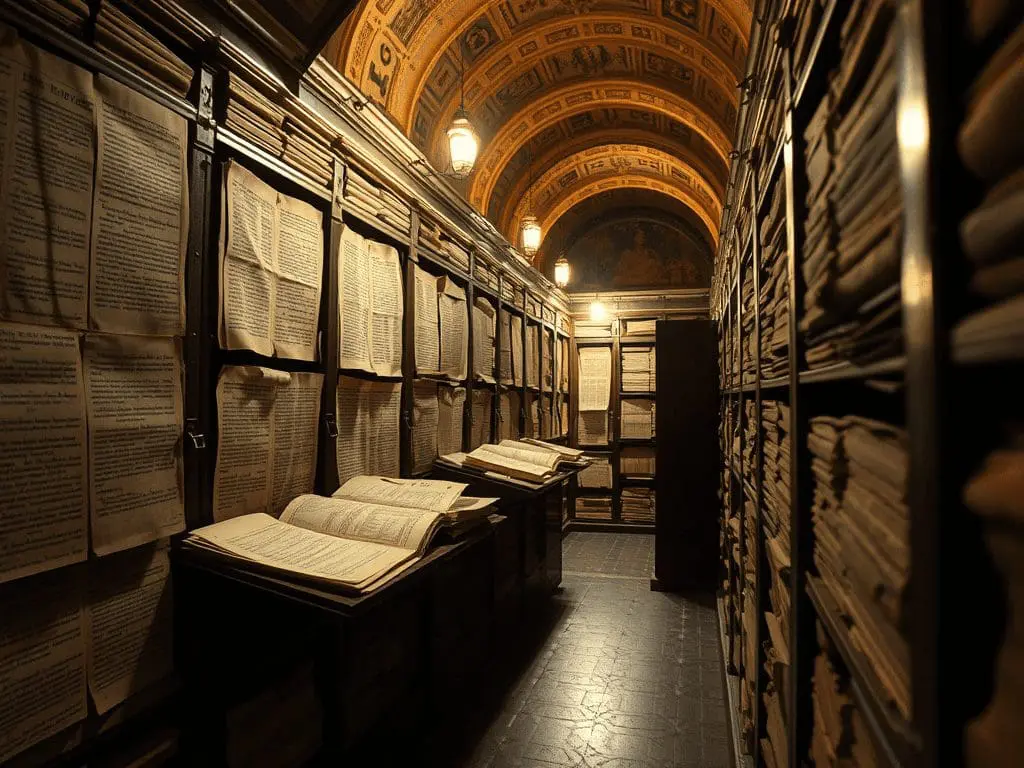
    One of the most well-known secrets of the Vatican is the Secret Archives, which are said to house thousands of documents dating back centuries. The contents of these archives have long been the subject of speculation and intrigue, with rumours of everything from evidence of extraterrestrial life to proof of ancient conspiracies . While some documents have been made available to researchers in recent years, much of the archive remains off-limits to the public, leading to further speculation about what might be hidden within its walls.

    Another secret of the Vatican is the underground catacombs, which are said to be home to the remains of countless popes, saints, and other important figures in the Church. These catacombs are a labyrinthine network of tunnels and chambers that are believed to hold untold treasures and relics, as well as the bodies of those who have passed on. The catacombs have long been a source of fascination for historians and archaeologists, who have sought to uncover the secrets hidden within their depths.

    In addition to its physical secrets, the Vatican is also said to hold many spiritual secrets. The Vatican is home to the Apostolic Palace, where the Pope resides, as well as the Sistine Chapel, with its world-renowned frescoes by Michelangelo. These sacred spaces are said to hold a special energy and spiritual power that draws pilgrims and visitors from all over the world. People from various backgrounds and cultures journey to the Vatican to experience the profound sense of history and divinity that permeates the air.

    The Vatican’s archives, containing centuries of documents and artefacts, are believed to conceal tales and knowledge that transcend time itself, contributing to the mystique and allure of this revered location. Moreover, the Basilica of St. Peter, a masterpiece of Renaissance architecture, stands as a testament to the artistic and spiritual grandeur of the Vatican, amplifying its status as a sanctuary of immeasurable significance.

    Overall, the Vatican is a place of mystery and intrigue, with its hidden archives, underground catacombs, and spiritual secrets continuing to captivate the minds of people around the world. Whether you are a devout Catholic or simply a curious traveller, the Vatican is sure to leave you in awe of its secrets and wonders.

  • Understanding Sharia Law: Debunking Common Myths

    Understanding Sharia Law: Debunking Common Myths

    Advertisements

    So, what exactly is Sharia Law ? Sharia Law is a set of religious laws derived from the teachings of Islam, specifically the Quran and the Hadith. It serves as a moral and religious code for Muslims to follow in all aspects of their lives, including personal conduct, family matters, business transactions, and even criminal offences. Sharia Law covers a wide range of topics, from dietary restrictions to how to pray, to inheritance rights, to criminal punishments.

    One of the biggest misconceptions about Sharia Law is that it is a strict and harsh legal system that is incompatible with modern society. While it is true that some interpretations of Sharia Law can be conservative and rigid, it is important to remember that Sharia Law is not a monolithic legal system. There are different interpretations and applications of Sharia Law across different countries and cultures, and not all Muslims adhere to the same strict interpretation.

    Another common myth about Sharia Law is that it is barbaric and promotes violence and oppression. While there have been instances of Sharia Law being used to justify harsh punishments, such as stoning or amputation, it is important to note that these punishments are not universally accepted among all Islamic scholars. Moreover, many Muslims argue that these extreme punishments are not actually mandated by Sharia Law, but are based on cultural interpretations or misapplications of Islamic teachings.

    It is also worth mentioning that Sharia Law is not meant to be imposed on non-Muslims, and that Muslims living in non-Muslim-majority countries are not required to follow Sharia Law. In fact, many Muslims believe that Sharia Law is a personal and voluntary choice, and should not be enforced by the state. Additionally, Sharia Law is not a replacement for the civil and criminal justice systems in most Muslim-majority countries, but rather an additional source of guidance for Muslims in matters of faith and daily life.

    In conclusion, Sharia Law is a complex and multifaceted legal system that is often misunderstood by those who are not familiar with Islamic teachings and traditions. It is important to approach the topic of Sharia Law with an open mind and to be aware of the diverse interpretations and applications of Sharia Law across different cultures and societies. By dispelling some of the common myths and misconceptions surrounding Sharia Law, we can foster a better understanding and dialogue about this important aspect of Islamic faith and practice.

  • Understanding Masonic Law: Principles, Secrecy, and Unity

    Understanding Masonic Law: Principles, Secrecy, and Unity

    Advertisements

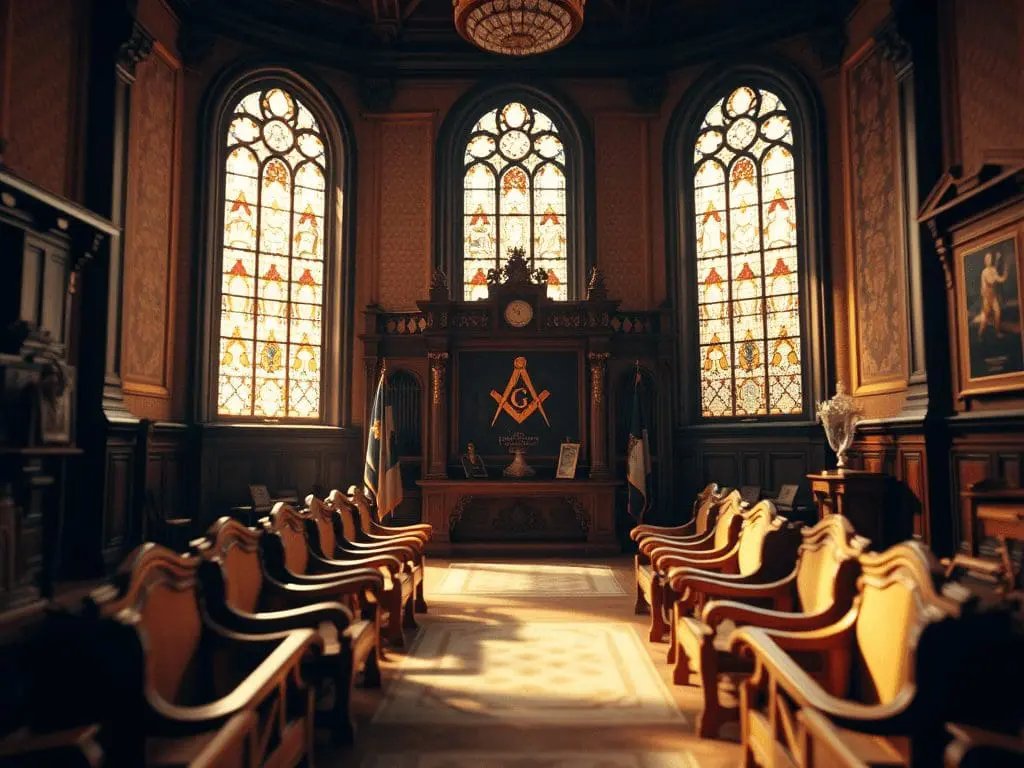
    One of the fundamental principles of Masonic law is the concept of secrecy. Freemasonry is known for its secretive nature, with members taking oaths of secrecy and confidentiality. This secrecy is meant to protect the privacy and security of the fraternity, as well as to maintain the symbolic nature of the rituals and ceremonies that are central to Masonic practice.

    Another key principle of Masonic law is the idea of mutual respect and tolerance. Freemasonry welcomes men of all backgrounds and beliefs, and members are expected to treat one another with respect, regardless of their differences. This principle of tolerance extends beyond the confines of the lodge, encouraging Freemasons to be open-minded and accepting of others in their daily lives.

    Additionally, Masonic law emphasises the importance of personal integrity and honour. Freemasons are expected to conduct themselves with honesty, integrity, and virtue in all aspects of their lives. This principle is reflected in the rituals and teachings of Freemasonry, which emphasise the importance of living a moral and upright life .

    Furthermore, Masonic law places a strong emphasis on charity and community service. Freemasons are encouraged to give back to their communities and support those in need, reflecting the fraternity’s commitment to making the world a better place. This principle of charity is central to the teachings of Freemasonry, with lodges often engaging in philanthropic activities and fundraising efforts to support charitable causes.

    Overall, the principles of Masonic law serve as a guiding force for Freemasons, helping to shape their behaviour, values, and interactions with one another. By upholding these principles, Freemasons are able to create a supportive and harmonious environment within the fraternity, fostering a sense of brotherhood and unity among members.

  • The Third Secret of Fatima: Prophecy, Faith, and Revelation

    The Third Secret of Fatima: Prophecy, Faith, and Revelation

    Advertisements

    Many believers and scholars speculate about the contents of the third secret, with some claiming it predicted the assassination attempt on Pope John Paul II in 1981. Others believe it contains warnings about the future of the Catholic Church and the world. The mysterious nature of the third secret has sparked numerous theories and discussions within the religious and academic communities. Some individuals suggest that the secret holds prophecies about significant global events, while others argue that it may offer insights into the spiritual challenges faced by the Church in modern times. The Vatican’s decision to keep the secret confidential for many years has only added to the intrigue surrounding this enigmatic piece of history.

    The revelation of the third secret by the Vatican in 2000 marked a significant moment in the history of the Catholic Church. The secretive nature of the prophecy had sparked intense speculation and debate for decades, with numerous theories and interpretations circulating among both the clergy and the laity. The vision itself, depicting a bishop dressed in white accompanied by fellow clergy and laypeople, embarking on a harrowing journey through a war-torn city to a hill where they met a tragic end at the hands of soldiers, sent shockwaves through the Church and the world at large. The haunting and ominous nature of the vision prompted fervent discussions and raised profound questions about its potential significance and the implications it held for the future. This unprecedented revelation served as a catalyst for further analysis and reflection within the Church, igniting a renewed interest in the intricate relationship between prophecy, faith, and the tumultuous events of the world.

    The Third Secret of Fatima, entrusted to the three shepherd children in 1917, continues to be a source of fascination and debate among the faithful and scholars alike. This mysterious revelation, sealed by the Catholic Church for many years, has been the subject of intense scrutiny and speculation. It has been interpreted in various ways, with some seeing it as a stark warning about the future and the potential consequences of humanity’s actions, while others view it as a call to prayer, penance, and a renewal of faith. The enduring enigma surrounding the Third Secret has led to a wide range of opinions and theories, adding to its mystique and significance in the Catholic community and beyond.

    Regardless of one’s interpretation, the Third Secret of Fatima serves as a reminder of the power of prophecy and the importance of faith in turbulent times. It is a call to heed the messages of the past and strive for a better future for all.

  • The Intersection of Hysterical Neurosis and Demonic Possession: Exploring the Spiritual Connection

    The Intersection of Hysterical Neurosis and Demonic Possession: Exploring the Spiritual Connection

    Advertisements

    Hysterical neurosis, also known as conversion disorder, is a mental health condition where a person experiences physical symptoms that have no apparent physical cause. These symptoms can range from paralysis to seizures to loss of sensory function, and often manifest after a traumatic event or stressor. In the past, hysterical neurosis was often seen as a form of demonic possession, with the afflicted person believed to be under the control of evil spirits.

    Demonic possession, on the other hand, is a belief held by some cultures and religions that a person can be taken over or influenced by a malevolent entity. Symptoms of demonic possession can include speaking in strange languages, convulsions, and aversion to religious symbols. In some cases, exorcisms are performed in an attempt to rid the person of the demon.

    So how do these two seemingly disparate concepts intersect? Some believe that hysterical neurosis may actually be a form of spiritual possession, with the physical symptoms being a manifestation of a person’s inner turmoil and spiritual distress. In fact, Sigmund Freud himself once theorised that hysteria may be a form of self-possession, where a person’s unconscious desires and fears are symbolically expressed through physical symptoms.

    While the idea of demonic possession may seem antiquated to some, there are still those who believe in its existence and continue to perform exorcisms. In these cases, it is important to consider the cultural and religious beliefs of the person experiencing the possession, as well as their mental health needs.

    In conclusion, the relationship between hysterical neurosis and demonic possession is a complex and nuanced one. While they may be viewed as separate phenomena, there may be more similarities between them than we realise. It is crucial to approach these issues with an open mind and a holistic perspective, taking into account both the physical and spiritual aspects of the individual’s experience.