Tag: Sexuality

  • Understanding Consent: A Crucial Aspect of Positive Sexual Experiences

    Understanding Consent: A Crucial Aspect of Positive Sexual Experiences

    Consent, in its simplest form, means giving permission or agreeing to something. When it comes to sexual encounters , consent refers to the voluntary, enthusiastic, and ongoing agreement between all parties involved. It is essential to remember that consent must be explicit and informed, given without force, coercion, or manipulation. Without consent, any sexual act is considered a violation and can lead to severe emotional, physical, and legal consequences.

    Consent is not a one-time event; it should be an ongoing process throughout every sexual encounter. It must be obtained and given freely, without any feeling of pressure or obligation. Communication plays a central role in establishing consent, ensuring that both individuals are comfortable, respected, and fully aware of each other’s boundaries.

    One vital aspect of understanding consent is recognising that it is not effective if one or both parties are unable to give informed and voluntary agreement. This includes situations involving intoxication, unconsciousness, or any form of impairment that inhibits an individual’s ability to make fully informed decisions. In such cases, consent is impossible and any sexual activity is unacceptable.

    While discussions on consent often revolve around the legal aspect of sexual encounters, it is essential to approach the topic from an ethical standpoint. Merely not violating the law is not enough; we must strive to create an environment where all individuals feel empowered to give or withhold consent without fear or judgement. Respect, empathy, and a genuine desire to prioritise the well-being of our partners should be at the foundation of all our actions.

    Consent can sometimes be a complex matter, influenced by societal norms, power dynamics, and personal experiences. It is important to acknowledge that consent can be withdrawn at any time, even after initially granting it. Understanding and respecting this aspect is crucial for building relationships based on mutual trust and understanding.

    Education and awareness surrounding consent are vital for promoting positive sexual experiences. Schools, families, and communities should play an active role in providing comprehensive sex education that focuses not only on the mechanics of sex but also on healthy relationships, communication, boundaries, and consent. By equipping individuals with the knowledge and skills to navigate intimate encounters responsibly, we can contribute to a society characterised by respect and empathy.

    In conclusion, understanding consent is an essential aspect of positive sexual experiences. It is not enough to assume consent; we must actively seek it, ensure ongoing communication, and respect each other’s boundaries. Consent should never be taken for granted or coerced. By prioritising consent, we can foster an environment where everyone feels safe, valued, and empowered, leading to healthier and more fulfilling relationships.

  • The Psychology of Desire: Unveiling the Secrets of our Deepest Drives

    The Psychology of Desire: Unveiling the Secrets of our Deepest Drives

    Understanding the Nature of Desire

    Desire can be described as a powerful force that compels us to seek out or pursue certain goals , objects, or experiences. It is often driven by an intense emotional longing or a need for personal fulfilment. As humans, we possess multifaceted desires that can be materialistic, emotional, or intellectual in nature, encompassing a range of areas such as ambition, love, social status, power, or even self-actualisation.

    The Role of Unsatisfied Needs

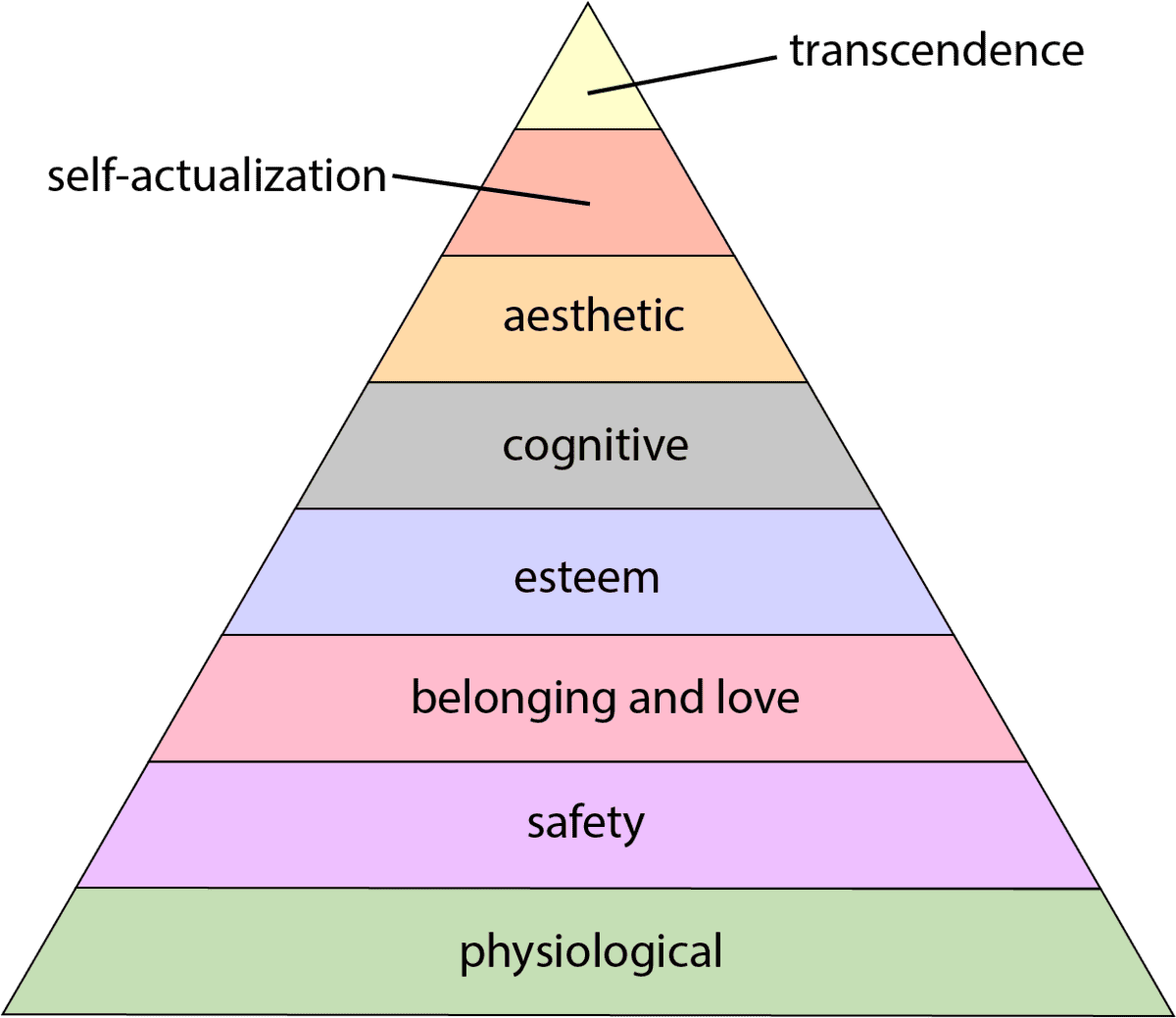
    At the core of desire lies our unmet needs. According to Abraham Maslow’s Hierarchy of Needs, human motivation is structured in a pyramid, with basic physiological needs at the bottom, safety, love, esteem, and self-actualisation occupying higher tiers. Desire arises when we experience a discrepancy between our current state and the fulfilment of these needs. It fuels our pursuit to close this gap and ultimately attain a state of satisfaction and contentment.

    Influence of Culture and Social Conditioning

    Our desires are significantly shaped by cultural and societal influences. From an early age, we absorb a set of values, norms, and expectations that contribute to our sense of what is desirable. For example, media depictions, advertisements, and peer pressure can influence our desires for certain products or lifestyles. Understanding this influence allows us to critically evaluate our desires and distinguish between authentic aspirations and external programming.

    The Role of Emotions in Desire

    Emotions play a vital role in the psychology of desire. Desire is often closely intertwined with feelings of happiness, excitement, passion, and even frustration or discontentment. It is these emotional states that provide the motivation and energy to pursue our desires relentlessly and take action towards achieving them. Understanding and managing our emotions can help us make conscious choices, preventing impulsive reactions driven solely by desire.

    The Danger of Excessive Desire

    While desire can serve as a catalyst for personal growth and achievement, excessive desires can also have adverse effects on our well-being. When desires become extreme or unmanageable, they can lead to addiction, greed, frustration, or even obsession. Exercising mindfulness and balance, as well as regularly reassessing the authenticity and feasibility of our desires, can help prevent them from becoming overwhelming or detrimental.

    Conclusion

    Exploring the psychology of desire unveils a myriad of factors that shape our motivations, actions, and overall well-being. By understanding the influence of unsatisfied needs, societal conditioning, and emotional states, we can navigate our desires more consciously and effectively. Balancing our desires with a sense of contentment and self-awareness allows us to lead fulfilling lives while avoiding the pitfalls of excessive desire. So, let us embrace our desires, explore our passions, and strive to achieve our goals, all while maintaining a healthy and balanced perspective on what truly matters in life.

  • Breaking Taboos: Open Conversations about Sex and Mental Health

    Breaking Taboos: Open Conversations about Sex and Mental Health

    Destigmatising Sex

    For far too long, sex has been cloaked in silence, shame, and embarrassment, resulting in numerous misconceptions surrounding this natural and essential aspect of human life. Honest conversations about sex are crucial to education, empowerment, and ultimately, to fostering healthy relationships. By breaking taboos and engaging in open discussions, we can dispel myths, debunk fears, and empower individuals to make informed decisions regarding their sexual health. A society that openly discusses sex provides a nurturing environment where consent, boundaries, and sexual well-being can be emphasised, leading to healthier, happier, and more fulfilling lives.

    Promoting Mental Health

    Mental health is another area that has been shrouded in secrecy and shame, contributing to long-lasting misunderstandings and disparities in accessing proper care. Breaking taboos around mental health allows individuals to share their experiences, seek support, and find solace, knowing they are not alone. These conversations help us understand that mental health struggles are not a personal failure but rather an aspect of human existence that deserves compassion, empathy, and effective mental health services. Open conversations serve as a platform to raise awareness, challenge stereotypes, and prompt policy changes to ensure mental health receives the attention it deserves.

    The Intersection of Sex and Mental Health

    The intersection of sex and mental health highlights the interconnectedness of these two vital aspects of our lives. Mental health issues can impact sexual well-being, while sexual problems can adversely affect mental health. Open conversations provide an opportunity to address these complex issues and foster a more holistic approach to health and well-being. By recognising the relationship between sex and mental health, we enable individuals to seek appropriate support, whether it be therapy, counselling, or professional advice, leading to healthier outcomes and improved quality of life.

    Spurring Change at the Individual and Societal Level

    Through open conversations, we can empower individuals to challenge harmful notions holding them back from seeking help and support. Breaking taboos prompts a significant shift, enabling individuals to acknowledge their vulnerabilities, explore their desires, and prioritise their overall well-being, both mentally and sexually. Moreover, as these conversations advance, societal change follows suit. Institutions and policymakers are compelled to reassess their approaches, improving accessibility to sexual health services, mental health programs, and education for all individuals regardless of age, gender, or background.

    Conclusion

    Breaking taboos and fostering open conversations about sex and mental health is a vital step toward building healthier, more inclusive societies. By destigmatising these topics, we empower individuals to seek support, make informed choices, and prioritise their well-being. Through these discussions, we can challenge societal norms, advocate for better mental healthcare, and promote holistic approaches to health that acknowledge the intimate connection between sex and mental well-being. Together, we can build a future where everyone feels safe, heard, and supported in their journey towards sexual and mental health.

  • Mind-Body Connection: Exploring the Psychological Aspects of Sex

    Mind-Body Connection: Exploring the Psychological Aspects of Sex

    1. Desire and Mental Arousal

    Sexual desire originates in the mind and encompasses an array of psychological factors. Various elements, such as our thoughts, fantasies, memories, cultural influences, and self-image, can ignite or diminish our desire for sexual intimacy. Our psychological state, including stress levels and emotional well-being, also significantly impacts our willingness and ability to engage in sexual activities. Understanding and nurturing our mental arousal is crucial for maintaining a fulfilling sexual life.

    2. Emotional Intimacy

    Sexual experiences are deeply intertwined with emotions and intimate connections. Establishing emotional intimacy with our partners is vital for building trust, fostering a sense of safety, and experiencing pleasurable and meaningful sexual encounters. Emotions like love, attachment, and desire intertwine and enhance our sexual experiences, creating a deep sense of fulfilment and satisfaction.

    3. Self-Confidence and Body Image

    The way we perceive our bodies and our level of self-confidence significantly influence our approach to sex. Positive body image enhances our comfort and ability to engage in sexual activities, whereas negative body image can lead to anxiety and hinder sexual pleasure. Building self-confidence and developing a healthy perspective on body image through self-acceptance and self-love positively impact our sexual experiences and overall well-being.

    4. Sexual Orientation and Gender Identity

    Exploring the psychological aspects of sex also encompasses an understanding of sexual orientation and gender identity. Society’s perception, acceptance, and understanding of diverse sexual orientations and gender identities can profoundly impact an individual’s psychological well-being. It is crucial to foster an inclusive, supportive environment that respects and recognises the diversity of human sexuality. Cultivating an open-minded society helps individuals celebrate and embrace their unique sexual identity, leading to healthier and more satisfying sexual experiences.

    5. Past Experiences and Trauma

    Unresolved past experiences, including sexual trauma or abuse, can heavily influence one’s psychological and emotional well-being. Traumatic experiences may trigger anxiety, fear, or emotional barriers that affect one’s ability to engage in sexual activities or form healthy relationships. Seeking professional support, such as therapy or counselling, is paramount to healing and working through trauma, allowing individuals to develop a positive psychological framework for healthy sexual experiences.

    Conclusion

    Sexuality encompasses intricate psychological aspects that greatly impact our desires, pleasure, and overall well-being. By exploring the mind-body connection, we can develop a deeper understanding of ourselves, our needs, and our preferences. It is crucial to prioritise mental and emotional well-being, address past traumas, foster emotional intimacy, and celebrate diverse sexual orientations and gender identities to create a society that nurtures healthy and fulfilling sexual experiences for all.

  • How Much Sex is Too Much Sex?

    How Much Sex is Too Much Sex?

    Sexual preferences and frequencies can vary greatly among individuals, and what may be considered “too much” sex is subjective and dependent on personal circumstances and boundaries.

    Rather than focusing on a specific number or frequency, it is more important to prioritise the quality of sexual experiences and the overall satisfaction of both partners. This can involve regular conversations about desires, boundaries, and preferences, as well as actively seeking consent and ensuring that all parties involved feel comfortable and respected. Ultimately, a healthy sexual frequency is one that fulfils the needs and desires of individuals involved, taking into consideration their emotional and physical well-being.

    It is important to have open and honest communication with your partner to find a mutually satisfying balance that respects the preferences and boundaries of both individuals involved, especially If concerns or discomfort arise regarding the frequency of sexual activity. Nevertheless, a small minority might lose control over their sexual drive and life. it is good to be aware of the symptoms of sexual addiction so one does not become ill in pleasure.

    Sex Addiction

    Sex addiction, also known as compulsive sexual behaviour disorder (CSBD) or hypersexuality, is a condition characterised by an uncontrollable and obsessive preoccupation with sexual thoughts, urges, or behaviours. It can greatly impact a person’s quality of life, relationships, and overall well-being. While each person’s experience with sex addiction may vary, here are some common symptoms that may indicate the presence of this condition:

    1. Obsessive thoughts: Persistent sexual thoughts or fantasies that consume a significant amount of time and interfere with daily activities and responsibilities.
    2. Compulsive behaviour: Engaging in sexual activities repeatedly, even when it is no longer pleasurable or has negative consequences, such as risking health or jeopardising relationships.
    3. Loss of control: Feeling unable to stop or control one’s sexual behaviours even when there is a desire to do so.
    4. Neglected obligations: Neglecting important responsibilities, such as work, family, or social obligations, due to the preoccupation with sexual thoughts or activities.
    5. Continued engagement despite consequences: Persisting in sexual behaviours despite negative consequences, such as relationship issues, legal problems, or financial difficulties.
    6. Escalating patterns: Engaging in increasingly risky or extreme sexual behaviours to achieve the same level of arousal and satisfaction.
    7. Failed attempts to stop: Making multiple unsuccessful attempts to reduce or stop engaging in the problematic sexual behaviours.
    8. Interference with emotional well-being: Experiencing distress, anxiety, depression, or feelings of shame and guilt as a result of the uncontrollable sexual behaviours.

    It’s important to note that a diagnosis of sex addiction should be made by a qualified mental health professional based on a comprehensive assessment.Treatment for sex addiction often involves therapy, including cognitive-behavioural therapy (CBT) and psychodynamic therapy, to address underlying issues and develop healthy coping mechanisms. Support groups can also provide valuable support and a sense of community for individuals in recovery.

    Nymphomania

    Nymphomania, also known as hypersexuality or compulsive sexual behaviour, is a historical term used to describe excessive or uncontrollable sexual desire or activity in women. It is important to note that nymphomania is not an officially recognised medical or psychiatric diagnosis in current diagnostic systems like the DSM-5. The concept of nymphomania has been largely criticised and is considered outdated. Today, healthcare professionals approach the issue of excessive sexual desire or behaviours through the lens of compulsive sexual behaviour disorder or hypersexuality, which can affect individuals of any gender.

    What to do if You Are Showing Symptoms

    If you or someone you know is struggling with excessive or compulsive sexual behaviours, it is advisable to seek help from a qualified mental health professional who specialises in sexual health. They can provide a comprehensive assessment, diagnosis, and develop a suitable treatment plan which may include therapy, support groups, and possibly medication to address underlying issues and promote healthier sexual behaviours. Remember, seeking help for sex addiction is a courageous and important step towards creating a healthier and more fulfilling life. If you are experiencing challenges related to sex addiction, know that there are resources and professional support available to assist you on your journey to recovery.

    Conclusion

    It is difficult to state a rule of thumb for how much sex is too much sex and it all depends on the subjective relationships between partners. Open communication and mutual consent between partners are essential to ensure a healthy and enjoyable sexual relationship. Furthermore, in cases where a minority loses control over their sexual urges, a sex addiction might be diagnosed if they seek professional help. This can be treated and healed.