Tag: Self-care

  • 6 Essential Self-Care Tips for Mental Health and Well-being

    6 Essential Self-Care Tips for Mental Health and Well-being

    Advertisements

    1. Schedule time for yourself: It’s easy to get caught up in work or family obligations, but it’s important to set aside time for yourself each day. Whether it’s 10 minutes of meditation, a morning run, or simply taking a hot bath, make sure to prioritise self-care on your daily schedule.

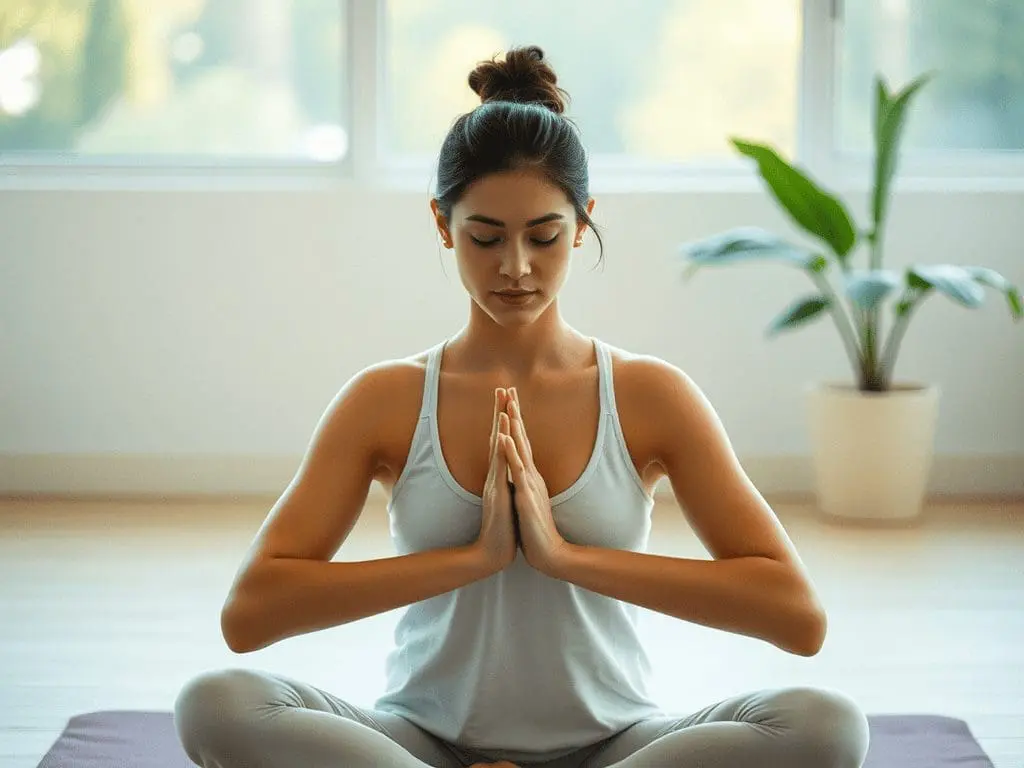
    2. Practise mindfulness: Mindfulness is the practice of being present in the moment and paying attention to your thoughts and feelings without judgement. This can help reduce stress and anxiety and increase feelings of well-being. Try incorporating mindfulness practices such as deep breathing, yoga, or meditation into your daily routine.

    3. Get moving: Exercise has numerous benefits for both your physical and mental health. It can help reduce stress, improve your mood, and boost your energy levels. Find an activity that you enjoy, whether it’s going for a walk, hitting the gym, or dancing in your living room, and make time for it regularly.

    4. Connect with others: Building strong relationships with friends and family is an important aspect of self-care. Make time to connect with loved ones, whether it’s through a phone call, video chat, or meeting up for a coffee date. Social support can help reduce feelings of loneliness and increase feelings of happiness and well-being.

    5. Prioritise sleep: Quality sleep is essential for your physical and mental health. Make sure to prioritise a consistent sleep schedule and create a bedtime routine that helps you relax and unwind before bed. Avoid screens and stimulating activities before bedtime and create a calm and peaceful sleep environment.

    6. Set boundaries: Learning to say no and setting boundaries with others is an important aspect of self-care. It’s okay to prioritise your own needs and make choices that are best for your well-being. Respect your own limits and don’t be afraid to communicate them to others.

    Remember, self-care is not selfish – it’s essential for your overall well-being and mental health. Make it a priority to take care of yourself and practise self-care regularly. You deserve it!


  • Motivation to Take a Shower

    Motivation to Take a Shower

    Advertisements

    First and foremost, remember the physical benefits of taking a shower. Not only does it cleanse our bodies of dirt and oils, but it can also help to improve our overall hygiene and prevent skin conditions such as acne or rashes. Taking a shower can also help to relax our muscles and ease any tension we may be feeling, making it a great way to unwind after a long day.

    Additionally, taking a shower can have a positive impact on our mental health . It can help to boost our mood and increase our energy levels, making us feel more refreshed and ready to take on the day. The warm water and steam can also help to soothe any stress or anxiety we may be feeling, providing a sense of relaxation and tranquillity.

    If you’re struggling to find the motivation to take a shower, try incorporating some self-care rituals into your routine. Light some candles, play your favourite music, or use a luxurious body wash to create a spa-like atmosphere in your bathroom. Treat yourself to a nice bath bomb or body scrub to make the experience more enjoyable and indulgent.

    Lastly, remember that taking a shower is an act of self-care and self-love. It is important to prioritise our personal hygiene and make time for ourselves, even when we’re feeling unmotivated. Taking a shower can be a small act of self-care that can have a big impact on how we feel both physically and mentally.

    So next time you’re feeling lazy or uninspired, remember the numerous benefits of taking a shower and find the motivation to take care of yourself. You deserve it!

  • Nurturing Yourself: Practical Strategies for Enhancing Self-Care

    Nurturing Yourself: Practical Strategies for Enhancing Self-Care

    Advertisements

    1. Practise mindfulness: Mindfulness involves being fully present in the moment and paying attention to your thoughts, feelings, and sensations without judgement. It can help reduce stress, improve focus and concentration, and enhance overall well-being. You can practise mindfulness through activities such as meditation, deep breathing exercises, or simply taking a few minutes each day to sit quietly and focus on your breath.

    2. Set boundaries: Setting boundaries is essential for protecting your mental and emotional well-being. Learn to say no to requests that are not aligned with your priorities or values, and establish limits on how much time and energy you are willing to devote to work, social obligations, or other commitments. Setting boundaries can help prevent burnout and ensure that you have time for self-care activities.

    3. Prioritise self-care activities: Make self-care a priority by scheduling time for activities that promote physical, mental, and emotional well-being. This may include exercise, healthy eating, getting enough sleep, spending time with loved ones, pursuing hobbies and interests, or engaging in activities that bring you joy and relaxation. It is important to make self-care a regular part of your routine, rather than viewing it as a luxury or something to do only when you have spare time.

    4. Practise self-compassion: Self-compassion involves treating yourself with kindness, understanding, and acceptance, especially in times of difficulty or failure. Instead of being critical and judgemental towards yourself, practice self-compassion by acknowledging your limitations, celebrating your strengths and accomplishments, and offering yourself the same compassion and support that you would offer to a friend. Self-compassion can increase resilience, reduce stress, and enhance overall well-being.

    5. Seek support: Don’t be afraid to reach out for support when you need it. Whether it’s talking to a friend, family member, therapist, or counsellor, seeking support can help you process your emotions, gain perspective on challenging situations, and develop coping strategies for managing stress. Surround yourself with a supportive network of people who understand and respect your need for self-care.

    In conclusion, self-care is essential for maintaining overall well-being and preventing burnout. By implementing these strategies into your daily routine, you can enhance your self-care practices and cultivate a healthier, more balanced lifestyle. Prioritise your self-care, set boundaries, practice mindfulness, prioritise self-care activities, practice self-compassion, and seek support when needed. Remember, taking care of yourself is not selfish – it is an essential part of ensuring that you can show up as the best version of yourself in all areas of your life.

  • When People Don’t Take Showers

    When People Don’t Take Showers

    Advertisements

    There are a few reasons why someone might not take showers regularly. It could be due to a lack of access to clean water and hygiene products , mental health issues such as depression or anxiety, or simply a lack of motivation or understanding of the importance of personal hygiene.

    When people don’t take showers, not only do they risk developing body odour, acne, and skin infections, but they also become a breeding ground for bacteria and germs. This can not only lead to a higher risk of getting sick but can also affect the health of those around them. Bacteria and germs from unwashed bodies can easily be transferred onto surfaces and objects, leading to the spread of illness.

    Furthermore, not taking showers regularly can also have social consequences. People may avoid interacting with someone who smells bad or looks unclean, leading to feelings of and loneliness. It can also affect a person’s self-esteem and confidence as personal hygiene is an important aspect of self-care and self-respect.

    If you know someone who struggles with taking showers regularly, it’s important to approach the topic with sensitivity and understanding. Offer your support and help them find resources that can assist them in maintaining good personal hygiene. Encouraging small steps, such as setting a schedule for showering or finding ways to make the experience more enjoyable, can make a big difference.

    In conclusion, taking showers is not just about looking or smelling good – it’s about taking care of our overall health and well-being. So, let’s all make an effort to prioritise personal hygiene and encourage others to do the same. It’s a simple yet effective way to stay healthy and happy.

  • Common Causes of Self-Neglect

    Common Causes of Self-Neglect

    Advertisements

    1. Mental and Emotional Health Issues: Mental health conditions such as depression, anxiety, and low self-esteem can contribute to self-neglect. People suffering from these conditions often lack motivation, energy, and the ability to care for themselves properly. Feelings of worthlessness or hopelessness can further worsen the situation, leading to neglecting even basic self-care activities.

    2. Physical Health Limitations: Individuals facing physical health conditions or disabilities may face challenges in maintaining their personal hygiene or taking care of their overall well-being. Depending on the severity of their condition, they may find it difficult to perform daily tasks, leading to a decline in self-care routines.

    3. Substance Abuse: Substance abuse is a significant cause of self-neglect. Addiction can consume an individual’s life, leaving little room for self-care activities or responsibilities. This self-destructive behaviour can lead to neglecting personal hygiene, nutrition, and overall health, eventually resulting in deteriorating physical and mental state.

    4. Social Isolation: Loneliness and social isolation can lead to self-neglect. When individuals lack social connections or a support system, they may become disengaged from society and lose their motivation to take care of themselves. Without friends or family to encourage self-care, individuals may neglect their hygiene, meals, or medical care.

    5. Financial Constraints: Financial difficulties often have a direct impact on an individual’s ability to care for themselves properly. Limited access to resources, such as healthy food, personal care products, or medical services, can hinder self-care routines and contribute to neglect.

    6. Cognitive Impairment: Conditions like dementia or Alzheimer’s disease can significantly affect an individual’s ability to maintain a routine for self-care. Memory loss, confusion, or the inability to perform basic tasks can result in self-neglect unless proper support and care are provided.

    Recognising these common causes of self-neglect is essential to addressing the issue effectively. Encouraging open conversations about mental health and ensuring those struggling have access to professional resources can help prevent self-neglect caused by mental and emotional health issues. Providing assistance to individuals with physical health limitations or disabilities is crucial to maintaining their overall well-being. Addressing substance abuse with addiction treatment programs can have a positive impact on one’s self-care routine. Creating support systems and combating social isolation can also prevent self-neglect caused by a lack of social connections. Lastly, offering assistance and resources to those facing financial hardships can help in alleviating their struggles and enable them to prioritise their self-care needs.

    By understanding the common causes of self-neglect, we can work towards creating a more compassionate and supportive society. By empowering individuals, offering resources, and advocating for mental health, physical health, and overall well-being, we can help combat self-neglect and ensure everyone has the opportunity to live a healthy, fulfilling life.

    Advertisements
  • Personal & Intimate Care Problems in Mental Disorders

    Personal & Intimate Care Problems in Mental Disorders

    Personal & Intimate Problems Include:

    • Not taking showers, not changing clothes, nor washing teeth: Regularly maintaining personal hygiene is essential for our well-being. This includes activities such as bathing or showering, brushing teeth, washing hair, and maintaining clean clothes.
    • Not taking prescribed medication: Taking prescribed medications as directed by healthcare professionals is crucial for managing many health conditions. Adhering to medication schedules can help ensure optimal treatment outcomes.
    • Not washing the hair, nor cutting fingernails or toenails: Regularly trimming and grooming fingernails and toenails is not only essential for personal hygiene but also helps prevent infections. Similarly, taking care of our hair by washing and styling it appropriately contributes to our overall grooming.
    • Not eating well: Proper nutrition and a well-balanced diet play a significant role in our physical and mental health. Eating nutritious meals and staying adequately hydrated are vital for maintaining optimal energy levels and overall well-being..
    • Not cleaning or tidying up the home environment, and/or hoarding: Creating a clean and organised living environment can have a positive impact on our mental health. Regularly cleaning and tidying up our living spaces can promote a sense of calm and well-being. Regularly changing bed-sheets is also important.
    • Self-intoxication with substances: Engaging in self-intoxication with substances can have detrimental effects on physical and mental health. It is essential to make healthy choices regarding substance use and seek appropriate support if needed.
    • Not using contraception when having sex: Practising safe sex and using contraception when needed is an important aspect of maintaining sexual health and well-being.

    Real Case Example

    David was diagnosed with Bipolar disorder (type 1) and now and then suffered with psychotic episodes. I was close with him, and he told me he had decided to stop taking his prescribed medication, an antipsychotic medication that helped him stay stable. Shortly after he ceased to take his meds, I noticed that David did not cut his fingernails, did not take showers, and smelled a lot. He also lived in a state of chaos, his home was super messy and inhospitable. I tried reaching out and pointed out what I was noticing, but he got deeply offended and angry that I noticed his personal care problems and he decided never to talk to me again. I realised he was not ready to take care of himself. For him it was easier to end the friendship than to pay attention to these neglected aspects of himself.

    A Final Note

    Self-care behaviours play a crucial role in maintaining our overall well-being. They encompass various actions and practices that contribute to our physical, emotional, and mental health. Remember, self-care is an ongoing process that requires attention and effort, and seeking help from healthcare professionals or support networks can be beneficial in navigating any challenges that may arise.