Drive theory, a concept originally introduced by Sigmund Freud, posits that human behaviour is motivated by the desire to satisfy biological needs. According to Freud, there are two primary drives that govern human behaviour – Eros and Thanatos.
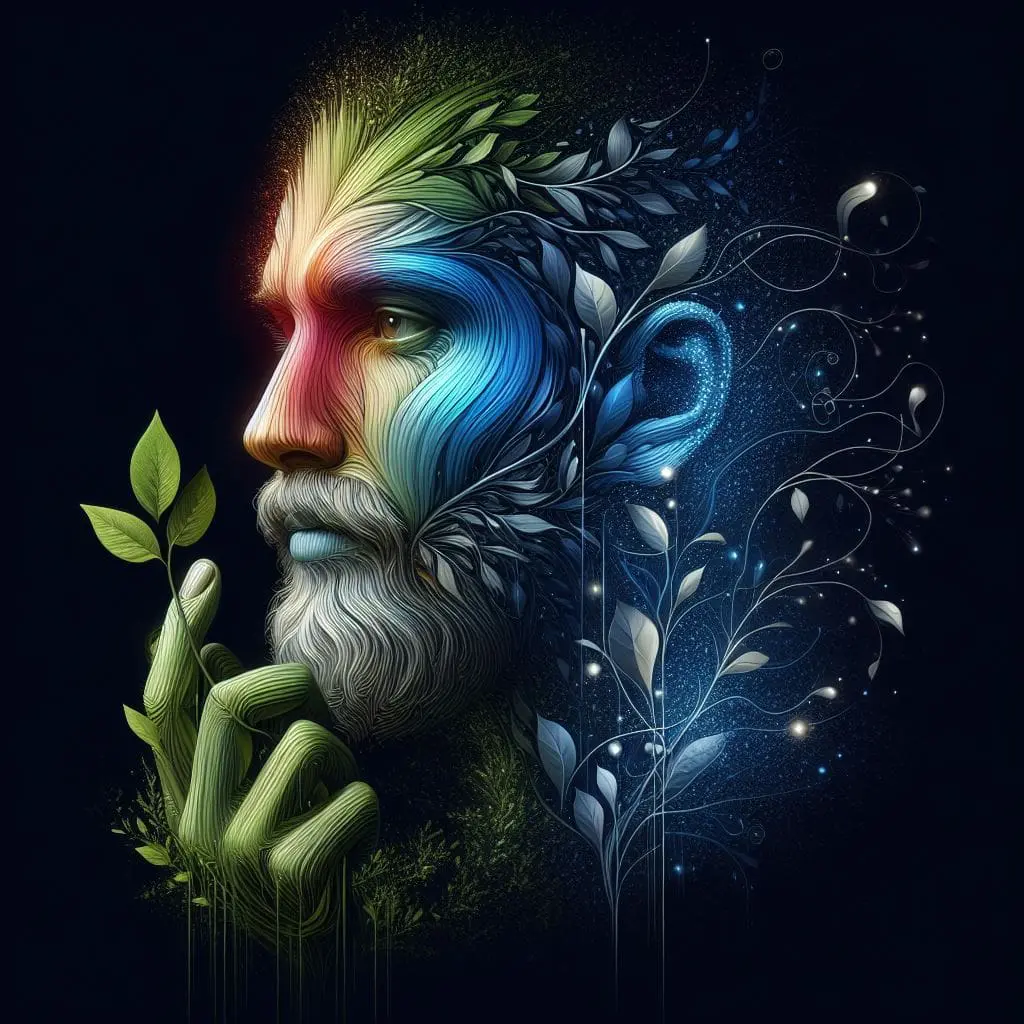
Eros, often referred to as the life instinct, represents the drive for pleasure, creativity, and love. It is the force that motivates individuals to seek out connections with others, engage in activities that bring joy and fulfilment, and strive for personal growth and development. Eros is associated with positive emotions such as happiness, love, and contentment, and is believed to be the driving force behind much of human behaviour.
On the other hand, Thanatos, known as the death instinct, represents the drive towards destruction, aggression, and self-harm. It is the force that compels individuals to engage in harmful behaviour towards themselves or others, and is associated with negative emotions such as anger, jealousy, and resentment. Thanatos is believed to be a necessary part of the human psyche, as it serves as a counterbalance to the life instinct and helps individuals navigate challenging situations and cope with adversity.
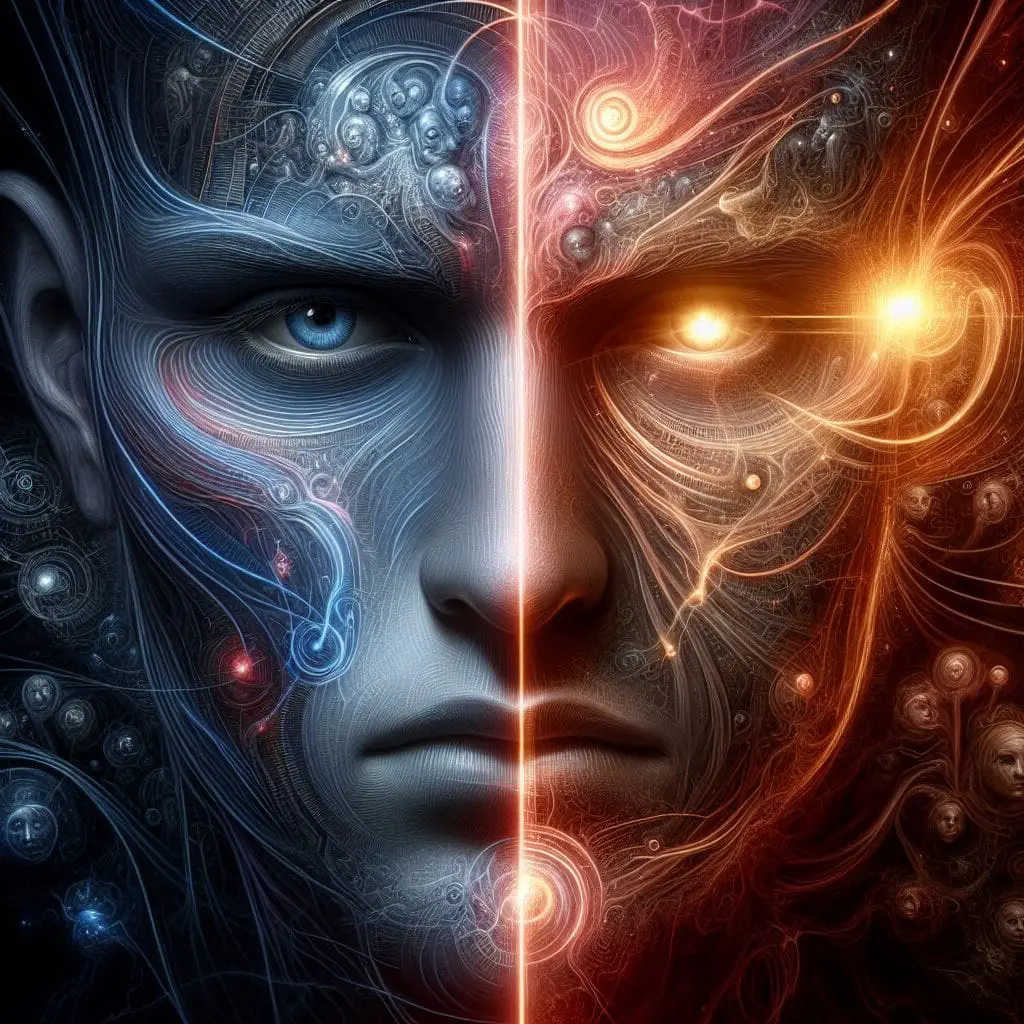
When considering the drive theory version of the self, it is important to recognise the interplay between Eros and Thanatos in shaping human behaviour. While Eros represents the desire for growth and connection, Thanatos serves as a reminder of the darker aspects of human nature and the potential for self-destructive behaviour. By acknowledging and understanding these dual forces within ourselves, we can better navigate the complexities of our own motivations and behaviours.
Exploring the interplay between Eros and Thanatos within the self can offer valuable insights into our motivations, desires, and behaviours. By recognising and understanding these dual forces of drive, we can gain a deeper insight into the complexities of human nature and the contradictions that define our existence. It is through this exploration that we can begin to cultivate a greater sense of self-awareness, emotional intelligence, and personal growth.
In conclusion, the drive theory version of the self offers valuable insights into the underlying motivations and drives that influence human behaviour. By recognising the roles of Eros and Thanatos in shaping our actions and decisions, we can gain a deeper understanding of ourselves and our interactions with others. Ultimately, embracing both the life and death instincts within ourselves can lead to a more balanced and fulfilling existence.