Epigenetics is a fascinating field of study that is revolutionising the way we understand genetics and human health. While traditional genetics focuses on the sequence of DNA in our genes, epigenetics looks at the chemical modifications that can turn genes on or off, influencing how they are expressed without changing the underlying DNA sequence. This exciting area of research has led to important discoveries about how our environment and lifestyle can impact our genetic expression, and has opened up new avenues for therapeutic interventions.
Advertisements
One of the most exciting aspects of epigenetics is its potential to be leveraged for therapeutic purposes. By understanding how epigenetic modifications can influence gene expression, researchers are developing new treatments for a wide range of diseases, including cancer, diabetes, and neurological disorders. For example, some cancer drugs work by targeting enzymes that modify the epigenome, altering the expression of genes involved in tumour growth and survival. By selectively modifying these epigenetic marks, researchers are able to potentially slow down or even reverse the progression of certain types of cancer.
In addition to treating disease, epigenetics also holds promise for preventing illness and optimising health. Studies have shown that lifestyle factors such as diet, exercise, and stress can induce changes in the epigenome, leading to a higher risk of chronic diseases like heart disease and diabetes. By understanding these connections, healthcare providers can tailor personalised interventions to help individuals mitigate their risks and improve their health outcomes.
Moreover, recent research has suggested that epigenetic changes can be passed down from one generation to the next, potentially influencing the health of future offspring. This concept of “epigenetic inheritance” raises important ethical questions about the implications of our lifestyle choices and environmental exposures on the health of future generations.
As our understanding of epigenetics continues to advance, so too does the potential for novel therapies and preventive strategies. By harnessing the power of epigenetic modifications, researchers and healthcare providers have the opportunity to revolutionise the way we approach the treatment and prevention of disease. The future of medicine is bright, thanks to the exciting field of epigenetics.
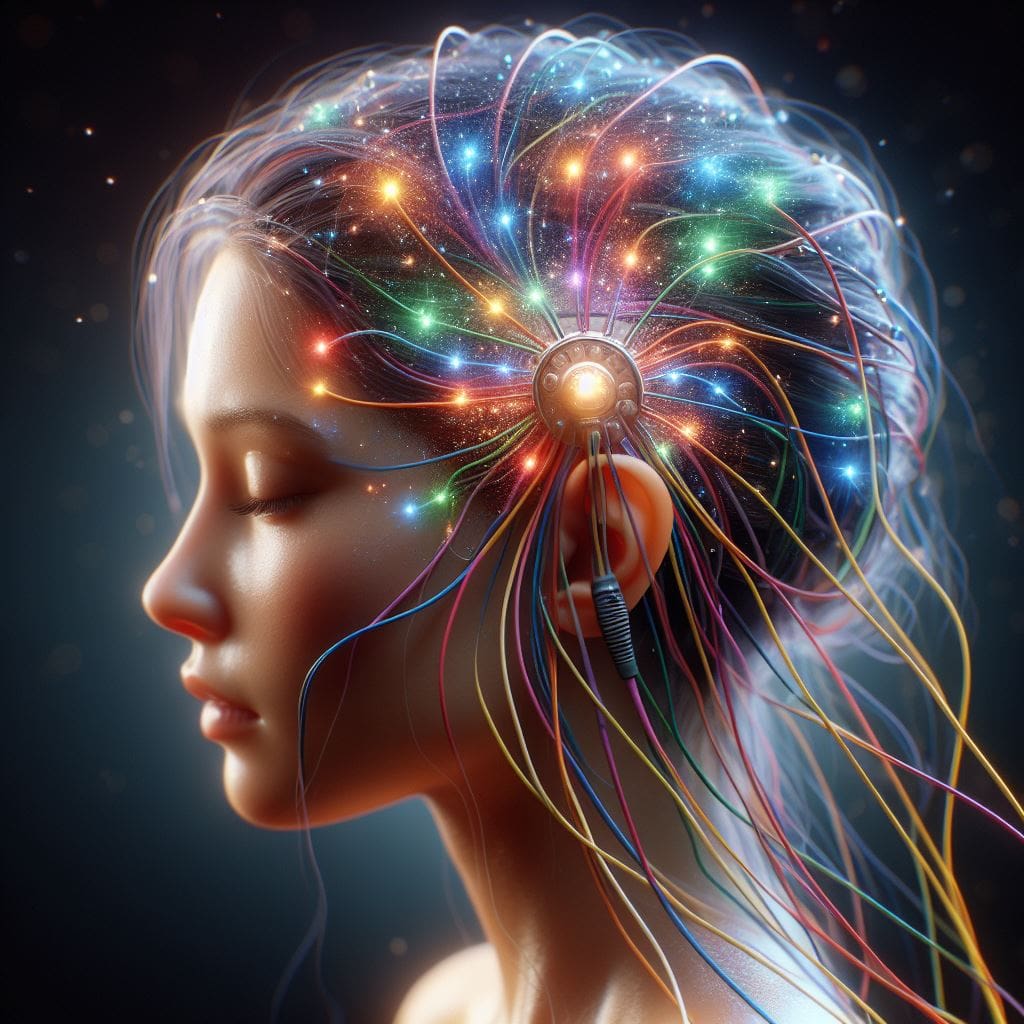
The human brain is undoubtedly a complex and intricate organ. It governs a wide range of functions, thoughts, and behaviours, all while acting as the central hub for processing information and coordinating the body’s actions. Given its significance, scientists and researchers have dedicated countless hours to unravelling the mysteries of the brain. One promising avenue of exploration in this field is the modulation of neural activity.
Advertisements
Neural modulation refers to the ability to influence or change the firing patterns and activity levels of neurons within the brain. This can be achieved through a variety of methods, including electrical stimulation, optogenetics, and pharmaceutical interventions. By modulating neural activity, researchers aim to gain a deeper understanding of how the brain works and potentially develop new treatments for neurological disorders.
One of the most widely recognised techniques for modulating neural activity is electrical stimulation. By applying electrical currents to specific regions of the brain, scientists can directly control or modulate the activity of neurons in those areas. This method has been successfully used in a variety of applications, such as deep brain stimulation for Parkinson’s disease and transcranial magnetic stimulation for depression.
Another powerful tool in modulating neural activity is optogenetics, a technique that combines genetic engineering and light-based stimulation of neurons. By introducing light-sensitive proteins into specific brain cells, researchers can activate or inhibit the neurons using focused light beams. Optogenetics has been instrumental in studying the relationship between neuronal activity and behaviour in animal models and has the potential to revolutionise our understanding of the brain’s inner workings.
Pharmaceutical interventions represent yet another strategy for modulating neural activity. Traditional drugs targeting neurotransmitters have long been used to treat various neurological conditions, such as schizophrenia, depression, and anxiety disorders. However, new advancements in drug delivery systems and the development of more specific and targeted medications are opening up exciting possibilities for modulating neural activity with greater precision and fewer side effects.
The ability to modulate neural activity holds tremendous potential for understanding and even manipulating brain function. By selectively activating or inhibiting specific neurons, scientists can examine the causal relationship between neural activity and various cognitive processes or behaviours. This knowledge could be transformative in fields such as cognitive neuroscience, as it offers a way to investigate the underlying mechanisms of perception, memory formation, decision-making, and more.
Furthermore, modulating neural activity has the potential to pave the way for groundbreaking treatments for neurological disorders. By restoring or normalising neural activity in affected brain regions, it might be possible to alleviate symptoms and improve the quality of life for individuals with conditions like Parkinson’s disease, epilepsy, or even spinal cord injuries.
Nevertheless, it is crucial to approach the modulation of neural activity with caution and ethics in mind. The brain is a delicate and intricate system, and any manipulation should be done with careful consideration for potential risks and unintended consequences. It is essential that research in this area continues to prioritise ethics, informed consent, and safety measures.
In conclusion, modulating neural activity represents a fascinating and promising avenue of research for understanding the brain and developing treatments for neurological disorders. Whether through electrical stimulation, optogenetics, or pharmaceutical interventions, scientists are gradually unlocking the secrets of the brain and inching closer to harnessing its full potential. As our knowledge and understanding expand, we can hope for a future where the mysteries of the mind are demystified, leading to improved well-being and advancements in neuroscience.
Depression is a common mental health issue that affects millions of people worldwide. It can have a devastating impact on your quality of life and overall well-being. While it’s important to seek professional help if you are struggling with depression, there are also scientifically proven techniques that you can implement in your daily life to help manage and overcome this debilitating condition.
Advertisements
Exercise
One of the most effective ways to combat depression is through regular exercise. Studies have shown that physical activity can help improve mood and reduce symptoms of depression. Exercise releases endorphins, which are natural mood lifters, and can also help regulate stress hormones. Aim for at least 30 minutes of moderate exercise most days of the week, whether it’s going for a jog, taking a yoga class, or going for a bike ride.
Practise Mindfulness
Mindfulness involves focusing on the present moment without judgement. It has been shown to be an effective tool in managing depression by helping to decrease rumination and negative thinking patterns. Mindfulness can be practised through meditation, deep breathing exercises, or simply by paying attention to your surroundings and how you are feeling in the moment. Consider incorporating mindfulness practices into your daily routine to help combat feelings of sadness and anxiety.
Get Enough Sleep
Sleep plays a crucial role in both physical and mental health. Lack of sleep can exacerbate symptoms of depression and make it more difficult to cope with stress. Aim for 7-9 hours of quality sleep each night by establishing a bedtime routine, creating a comfortable sleep environment, and avoiding stimulants like caffeine and electronic devices before bed. If you are struggling with sleep, consider speaking with a healthcare provider about potential solutions.
Eat a Healthy Diet
What you eat can have a significant impact on your mental health. Studies have shown that a diet rich in fruits, vegetables, whole grains, and lean proteins can help improve mood and reduce symptoms of depression. Conversely, a diet high in processed foods, sugar, and unhealthy fats can contribute to feelings of fatigue and low mood. Consider working with a registered dietitian to create a balanced meal plan that supports your mental health.
Connect with Others
Social support is crucial in managing depression. Reach out to friends, family members, or a therapist for emotional support and encouragement. Joining a support group or participating in community activities can also provide a sense of belonging and connection. Remember that you are not alone in your struggles and that there are people who care about you and want to help.
Conclusion
In conclusion, depression is a complex and challenging condition, but there are effective strategies that can help you manage and overcome it. By incorporating techniques such as exercise, mindfulness, sleep hygiene, healthy eating, and social support into your daily routine, you can take proactive steps towards improving your mental health and well-being. Remember to be patient with yourself and seek professional help if needed. You deserve to live a happy and fulfilling life, free from the grips of depression.
Have you ever wondered why you inherited your father’s high blood pressure or your mother’s predisposition to diabetes? Or perhaps, you’ve questioned why some individuals with identical DNA can develop different diseases or exhibit diverse physical characteristics. The answers to these perplexing questions lie within the fascinating field of epigenetics.
Advertisements
Epigenetics, derived from the Greek word “epi” meaning “above” or “on top of,” refers to the study of heritable changes in gene expression that occur without altering the underlying DNA sequence. Unlike genetics, which primarily focuses on the DNA code we inherit, epigenetics delves deeper into understanding how genes are switched on or off, regulated, and modified by external factors. These factors include the environment we live in, our lifestyle choices, diet, stress levels, and even prenatal experiences.
To grasp the concept of epigenetics, we must first understand DNA. DNA is often likened to a library containing all of the instructions for building and maintaining an organism. Each gene within the DNA library provides the blueprint for a particular protein or functional molecule. However, not all genes are active at all times, and this is where epigenetics comes into play.
Epigenetic modifications act as a regulatory mechanism for genes, determining which ones are expressed and which ones are silenced. They are like bookmarks in a library that dictate which pages are accessible, influencing the activity of genes and ultimately shaping our traits and health outcomes.
One of the most extensively studied epigenetic modifications is DNA methylation, a process where a methyl group attaches itself to specific regions of the DNA molecule, often near the gene. Methylation can effectively switch off gene expression, preventing the associated protein from being produced. This can have profound implications for our health, as the expression of certain genes is critical in maintaining a balanced physiological state.
Additionally, another key mechanism of epigenetic regulation is histone modification. Histones are proteins that package and organise DNA within our cells. Chemical tags attached to histones can either loosen or tighten the package, allowing or restricting access to the underlying genes. These modifications regulate gene expression, replicating the patterns set by our environment or previous experiences.
Epigenetics has significant implications for disease prevention, treatment, and understanding human development. It helps explain why identical twins, who share the same DNA, can have different susceptibilities to diseases such as cancer or mental disorders. It also sheds light on the interplay between genetics and the environment, explaining how external factors can leave a lasting epigenetic mark that can affect future generations.
While epigenetic modifications can be influenced by various external factors, they are not necessarily permanent. Research suggests that certain lifestyle choices, such as a healthy diet, regular exercise, and stress reduction techniques, can positively impact our epigenetic marks, potentially mitigating disease risk. This suggests that we have some control over how our genes express themselves, opening up exciting possibilities for personalised medicine and preventative interventions.
In conclusion, epigenetics offers a groundbreaking perspective on how our genes function and interact with the environment. It unravels the complex relationship between genetics, lifestyle, and disease susceptibility. By understanding the mechanisms of epigenetics, we can unlock invaluable insights into inheritance patterns, shed light on the causes of diseases, and potentially revolutionise healthcare practices.
As the field of epigenetics continues to evolve, it promises to transform our understanding of genetics and heredity, providing new avenues for therapeutic interventions and personalised treatments. So, the next time you ponder the intricacies of your inherited traits or wonder about the impact of your environment on your health, remember that epigenetics holds the key to unravelling these mysteries.
The recent meeting between Russian President Vladimir Putin and Ukrainian President Volodymyr Zelensky has been widely discussed in the media. The two leaders met to discuss a number of issues, including security, trade relations and energy cooperation. One topic that was not discussed during the talks but is worth noting is CERN (the European Organization for Nuclear Research). CERN plays an important role in international science collaborations and research projects, so it would be beneficial for both countries if they could come to some sort of agreement on how to collaborate with each other regarding this organization. It remains unclear whether or not such an agreement will be reached anytime soon, but it’s certainly something worth considering as Russia-Ukraine ties continue to improve.
The relationship between Russian President Vladimir Putin, Ukrainian President Volodymyr Zelensky, and the European Organization for Nuclear Research (CERN) has been a topic of discussion in recent months. Both leaders have expressed interest in deepening their countries’ involvement with CERN’s research activities. In 2019, Ukraine joined CERN as an associate member state and is now actively collaborating on projects such as the Large Hadron Collider (LHC). Russia is also exploring ways to increase its engagement with CERN by providing funding for various scientific experiments conducted at the organization’s facilities. This increased collaboration could potentially lead to breakthroughs in particle physics that could benefit both nations and humanity as a whole.
The relationship between Russian President Vladimir Putin and Ukrainian President Volodymyr Zelensky has been tense in recent years, especially due to the ongoing conflict in Ukraine. However, both leaders have recently expressed a desire to collaborate on scientific projects such as CERN (the European Organization for Nuclear Research). The two countries are now working together at CERN with the aim of advancing fundamental physics research and developing new technologies that could benefit their respective nations. This is an encouraging sign of cooperation between Russia and Ukraine despite their political differences, which can only be beneficial for science as a whole.
According to the Online Etymology Dictionary (n.d.a), the adjective “artificial” originates from 14c France meaning “not natural or spontaneous”, and it began to be used in the English language from 16c to describe “anything made in imitation of, or as a substitute for, what is natural”. The etymology of the noun “mind” is rooted in late 12c, when the word “mynd” was used to describe“that which feels, wills, and thinks; the intellect”(Online Etymology Dictionary, n.d.b); a derivation from the Old English word “gemynd” which encompassed the concepts of memory, conscience, intention, and purpose among other things. This essay explores the concept of “artificial minds”, some of its psychological perspectives and what all this reveals about human minds.
What is an artificial mind? Based on the above explained, if the word artificial has for centuries carried the meaning of imitation and substitution for- in this case- human nature; it is not surprising that some people have reported feeling afraid about the possibility of robots taking over the world (McDonald, 2019). Assuming that machines think in the same way as humans is like anthropomorphising (ascribing human qualities to nonhuman animals; Hewson, 2015). Yasemin J. Erden defined this phenomenon as “problem of other minds” in her chapter of Living Psychology: From the Everyday to the Extraordinary (2015, p. 109), where she posed the question“how do you know that the author of this chapter is a person?”. Her name is written as the author of the chapter, and the paragraphs are written in a meticulously eloquent manner. The content is highly specialised. Yet, the reader is invited to question all this, and to consider the possibility of her identity being robotic. Once her name is searched though, it can be seen that she is human, as well as a philosopher at St. Mary University in London (Google, n.d.). Nevertheless, her question should not be underestimated in any way, as there exist bots that can rigorously write essays for humans (Essaybot, n.d).
If mind is software and body is hardware (Computational modeling of the brain – Sylvain Baillet, 2016), does that mean that the two work independently? Descartes initially questioned whether matter (body) was the result of mind (imagination). He stated “I think, therefore I am”, claiming that body was a manifestation or hallucination of thought (Erden, 2015, pp. 111-112); and eventually evolved his perspective to say that mind and body are connected specifically through the pineal gland of the brain. Under the same token, dualist theorists believe that the strongest evidence for the existence of mind as a separate entity from brain is the concept of qualia- coined by Chalmers (1996) as cited in Erden (2015)- which encompasses the subjective, first-person experience of the individual. Erden illustrates this concept with an analogy of eating and enjoying chocolate (2015), explaining that one thing is to understand how the body absorbs and digests chocolate, and another thing is to enjoy the taste of it. Could a bot understand the experience of enjoyment? After all, not even some legislators seem to understand the concept of enjoyment in relation to- for example- human rights law (United Nations, n.d.; ECHR, 1950).
In contrast, materialist theorists claim that specific parts of the human brain are responsible for intelligent functions such as the processing of sensory inputs (stimuli), and the creation of responses (outputs; Erden, 2015, pp. 115-117). But, what is meant by intelligence? The answer to Alan Turing’s question (1950) cited in (Erden, 2015, pp. 120-121) “can machines think?” depends on the way the words “mind” and “thinking” are used (Erden, 2015, p. 122). For instance, the intelligent nature of human memory is highly complex (Prosecution Witness Janeen DeMarte Explains Why She Does Not Believe Jodi Arias’ Memory Fog Story, 2013). Could a machine learn to absorb, encode, store, and retrieve information similarly to a person? In order to understand this, Naoyuki Sato and Yogo Yamaguchi (2010) from Japan reviewed computational models of the hippocampi, the two organs of the brain mainly responsible for the formation of episodic memory (remembering what, where, and when). Their (Sato and Yamaguchi, 2010) evidence suggests that when the hippocampal system is damaged, the ability for self object-space processing is lost. Nevertheless, they state that more brain regions are involved in the process, and that models which can take into account more than one brain region simultaneously need to be developed.
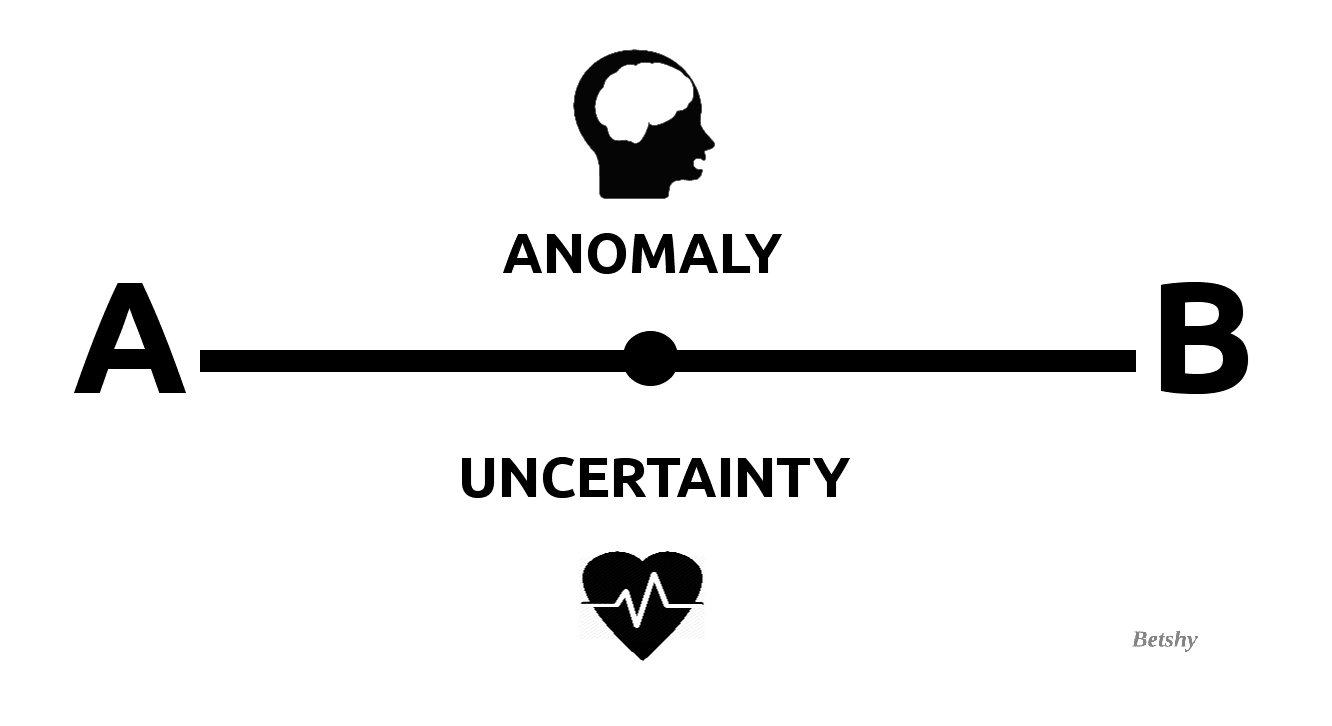
This is why one of the biggest challenges in computational modeling is to equip artificial minds and robotic bodies with proprioception (Erden, 2015), the human ability to position one’s body within timespace and context. Understanding such computational complications elucidates the everyday complexity of human nature (including perceptual, sensorimotor abilities; Erden, 2015). For humans, working their way from point A to point B in timespace can be relatively straightforward, and if uncertainties or anomalies arise, these can be dealt with successfully (e.g. avoiding an obstacle). However, with no hippocampus and no cognitive map on which to rely; robots find it overwhelming to understand the where, when, and what of situations; especially when it comes to unexpected contingencies or events. John McCarthy and Patrick Hayes (1969) cited in Erden (2015) called this phenomenon the frame problem. As a consequence, psychologists such as Aaron Sloman (The Open University, 2019b) have placed their emphasis on the computational modelling of the human information processing system. Erden (2015, p. 124) defines this framework as computational theory of mind (CTM), and the most advanced artificially intelligent robotic inventions are equipped with proprioceptive sensors which allow them to compute and interact with the world around them more competently (Erden, 2015). Nevertheless, Margaret Boden from the University of Sussex in England states that to model some mysterious processes such as creativity is difficult, because humans do not always understand how they do what they do (The Open University, 2019a).
To summarise, the concept of artificial minds has helped cognitive scientists understand the complex functions of everyday living in humans. Machines can indeed think, they just don’t think in the same way as humans. Human intelligence and its neuroscientific structure is not easy to model in full magnitude, and not all functions are clear enough to warrant replication. The human mind remains somewhat mysterious, and subjective experience remains an area for further research. Could this be what is meant by the philosophical latin concept of DEUS EX MACHINA? (GOD FROM THE MACHINE). The future is uncertain.
References
Computational modeling of the brain – Sylvain Baillet (2016) Youtube video, added by Serious Science [Online]. Available at https://www.youtube.com/watch?v=2oW6DN08wwE (Accessed 29 October 2019).
Council of Europe, European Convention on Human Rights, as amended by Protocols Nos. 11 and 14, ECHR, (4 November 1950) [Online]. Available at https://www.echr.coe.int/Documents/Convention_ENG.pdf (Accessed 28 October 2019).
Erden, Y. J. (2015) ‘Artificial minds’, in Turner, J., Hewson, C., Mahendran, K. and Stevens, P. (eds), Living Psychology: From the Everyday to the Extraordinary, Milton Keynes, The Open University, pp. 109-146.
EssayBot (n.d.) How It Works [Online]. Available at https://www.essaybot.com/ (Accessed 28 October, 2019)
Hewson, C., Ramsden P., and Turner, J. (2015) ‘Animal minds’, in Turner, J., Hewson, C., Mahendran, K. and Stevens, P. (eds), Living Psychology: From the Everyday to the Extraordinary, Milton Keynes, The Open University, pp. 63-99.
Prosecution Witness Janeen DeMarte Explains Why She Does Not Believe Jodi Arias’ Memory Fog Story (2013) Youtube video, added by PK Report [Online]. Available at https://www.youtube.com/watch?v=NlnoRHufmok (Accessed 29 October 2019).
Sato, N. and Yamaguchi, Y. (2010) ‘Simulation of Human Episodic Memory by Using a Computational Model of the Hippocampus’, Advances in Artificial Intelligence, Japan, Future University/ Brain Science Institute, pp. 1-11 [Online]. Available at http://downloads.hindawi.com/archive/2010/392868.pdf (Accessed 29 October, 2019).
Grimshaw, G. M. (2018) ‘Affective neuroscience: a primer with implications for forensic psychology’, Psychology, Crime & Law. Routledge, 24(3), pp. 258–278.