Tag: Politics

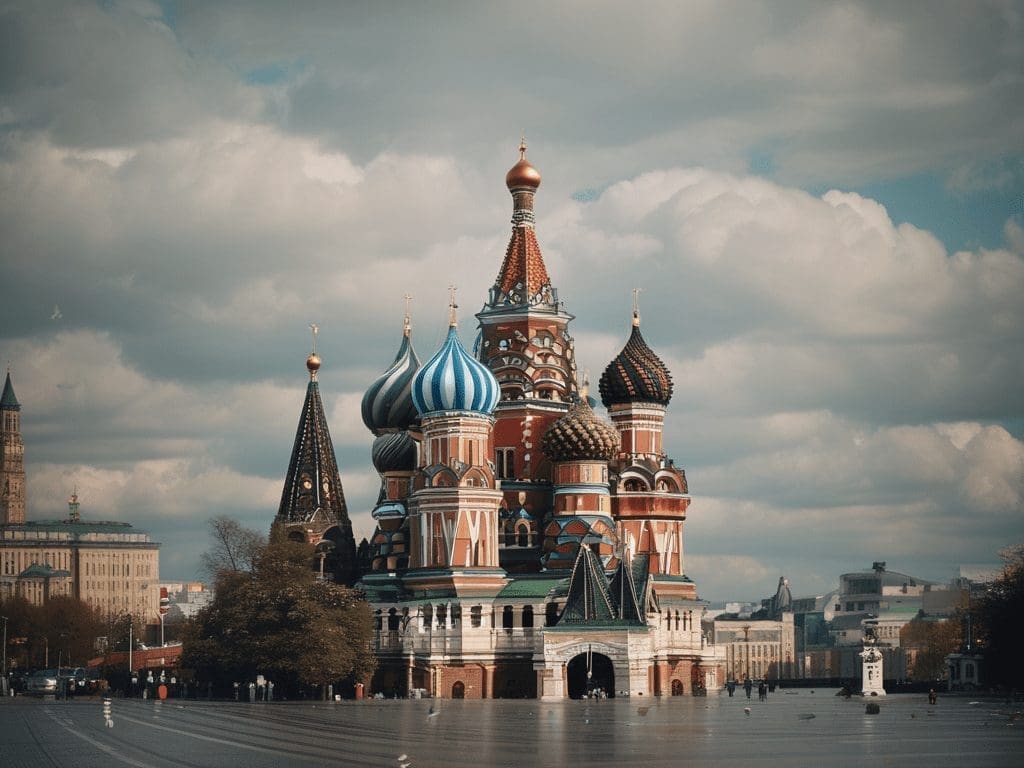
  • Eurasianist Ideology: Embracing Russia’s Unique Civilisation

    Eurasianist Ideology: Embracing Russia’s Unique Civilisation

    Advertisements

    One of the key figures in the Eurasianist movement was a philosopher named Nikolai Trubetskoy, who argued that Russia had a unique cultural and historical heritage that set it apart from both Europe and Asia. He believed that Russia should embrace its Eurasian identity and forge closer ties with other countries in the region.

    The Eurasianist ideology gained popularity in the years following the Russian Revolution of 1917, as many Russians sought to redefine their national identity in the wake of the collapse of the tsarist regime. The movement was also influenced by the rise of fascism in Europe, and some Eurasianist thinkers argued for a form of authoritarian rule in Russia that would help to protect the country’s cultural and political integrity.

    During the Soviet era, Eurasianist ideas were suppressed by the Communist regime, which sought to promote a unified Soviet identity that transcended national differences. However, after the collapse of the Soviet Union in 1991, interest in Eurasianist ideology began to resurface, particularly among nationalist and conservative groups in Russia.

    Today, Eurasianist ideology continues to attract followers who believe that Russia should assert its identity as a distinct civilisation with its own values and traditions. Some Eurasianists advocate for closer ties between Russia and other countries in Eurasia, such as Kazakhstan and Belarus, as a way to counterbalance the influence of Western powers.

    Critics of Eurasianist ideology argue that it is based on a romanticised view of Russia’s historical role in Eurasia, and that it promotes a form of cultural isolationism that is detrimental to Russia’s development in a globalised world. They also point out that some Eurasianist thinkers have expressed xenophobic and anti-Western views that could lead to conflict with other countries.

    In conclusion, Eurasianist ideology is a complex and controversial movement that continues to shape political debates in Russia and beyond. While some see it as a way to assert Russia’s unique identity and promote cooperation with other Eurasian countries, others view it as a dangerous form of nationalism that could lead to further isolation and conflict. Ultimately, the future of Eurasianist ideology will depend on how it is interpreted and applied in the changing geopolitical landscape of the 21st century.

  • Russia-Hamas Relations

    Russia-Hamas Relations

    Advertisements

    Despite this, Russia has maintained a relationship with Hamas, much to the chagrin of its Western allies. Russia’s support for Hamas can be seen as part of its broader strategy to assert its influence in the Middle East and challenge the dominance of the United States in the region.

    One of the main reasons for Russia’s support of Hamas is its opposition to the Israeli government and its treatment of the Palestinian people. Russia has frequently criticised Israel for its actions in the occupied territories and has called for a two-state solution to the Israeli-Palestinian conflict.

    In addition, Russia sees Hamas as a legitimate political entity that should be included in any negotiations for peace in the region. By engaging with Hamas, Russia believes it can play a constructive role in resolving the conflict and promoting stability in the Middle East.

    However, Russia’s support for Hamas has led to tensions with Israel and its Western allies. In 2006, Russia invited Hamas leaders to Moscow for talks, a move that was strongly condemned by the United States and Israel. Since then, Russia has continued to provide diplomatic support to Hamas, much to the dismay of its Western partners.

    Despite these tensions, Russia’s relationship with Hamas remains strong. In recent years, Russia has provided financial and military support to Hamas, including weapons and training for its fighters. This support has helped Hamas strengthen its position in the Gaza Strip and maintain its grip on power.

    Overall, the relationship between Russia and Hamas is a complex and controversial issue that reflects the broader dynamics of the Middle East. While Russia’s support for Hamas may be seen as a challenge to Western interests, it is also driven by Russia’s desire to play a greater role in the region and promote its own strategic goals. As the situation in the Middle East continues to evolve, the relationship between Russia and Hamas is likely to remain a key factor in shaping the future of the region.

  • 2006: Russia – Putin’s Opposition Begins

    2006: Russia – Putin’s Opposition Begins

    Advertisements

    One of the key moments in 2006 that marked the beginning of Putin’s opposition was the murder of Russian journalist Anna Politkovskaya. Politkovskaya was a fierce critic of Putin and his government, known for her investigative reporting on human rights abuses in Chechnya and elsewhere in Russia. Her killing, which remains unsolved to this day, sent shockwaves through the country and raised questions about the safety of dissenters in Putin’s Russia.

    In the wake of Politkovskaya’s murder, a new generation of activists and opposition figures began to rise up against Putin’s authoritarian rule. Groups like the Other Russia, led by former chess champion Garry Kasparov, and the National Bolshevik Party, headed by Eduard Limonov, gained traction among disaffected Russians who were tired of Putin’s tight grip on power.

    These opposition movements faced immense challenges , however, as Putin’s government cracked down on dissent with increasing ferocity. In 2006, Putin signed into law a controversial measure that allowed the government to label any organisation receiving funding from abroad as a “foreign agent.” This measure was widely seen as a way to target opposition groups and limit their ability to operate.

    Despite the obstacles they faced, Putin’s opposition continued to grow in strength and visibility throughout 2006. Protests and demonstrations against Putin’s policies and human rights abuses became more frequent, drawing attention both within Russia and abroad. The Russian presidential election in 2008 saw a surge in opposition candidates, though Putin ultimately retained power through his chosen successor, Dmitry Medvedev.

    The events of 2006 marked a turning point in Russia’s political landscape, as Putin’s grip on power began to face a serious challenge from within. While the opposition movement would face setbacks and setbacks in the years to come, the seeds of dissent planted in 2006 would continue to grow and shape Russia’s political future in the years ahead.

  • The Anti-Woke Movement: Pushing Back Against Woke Culture

    The Anti-Woke Movement: Pushing Back Against Woke Culture

    Advertisements

    The Anti-Woke Movement is a loosely defined group of individuals who reject the principles of woke culture and seek to challenge its prevalence in society. These individuals argue that the woke movement has gone too far in its efforts to promote social justice and equality, often resorting to censorship, cancel culture, and identity politics. They believe that these tactics are harmful to free speech, diversity of thought, and the overall well-being of society.

    One of the main criticisms of woke culture is its tendency to silence dissenting voices and stifle open debate. Those who question or challenge the prevailing narrative are often labelled as bigots, racists, or otherwise marginalised. This has led to an atmosphere of fear and self-censorship, where individuals are afraid to speak out for fear of being ostracised or cancelled. The Anti-Woke Movement seeks to push back against this trend and promote a more open and inclusive dialogue on social issues.

    Another criticism of woke culture is its reliance on identity politics, where individuals are judged based on their race, gender, or other immutable characteristics rather than their individual merits. The Anti-Woke Movement argues that this approach is inherently divisive and counterproductive, as it reinforces stereotypes and undermines the goal of achieving true equality and justice for all.

    While the Anti-Woke Movement may be a relatively new phenomenon, it has already gained significant traction in certain circles. Social media platforms and online forums are filled with discussions and debates over the merits of woke culture and the role of the Anti-Woke Movement in pushing back against it.

    Ultimately, the Anti-Woke Movement represents a growing dissatisfaction with the prevailing narrative of social justice and activism. While some may dismiss it as reactionary or regressive, others see it as a necessary counterbalance to the excesses of woke culture. Whether or not the Anti-Woke Movement will ultimately succeed in challenging the prevailing narrative remains to be seen, but one thing is clear: the debate over woke culture is far from over.

  • Racist People Also Have Human Rights

    Racist People Also Have Human Rights

    Advertisements

    Some may argue that individuals who hold racist beliefs should not be entitled to the same human rights as others. After all, racism promotes discrimination , hatred, and violence towards certain groups of people based on their race or ethnicity. It goes against the very principles of equality and respect for all individuals. How can those who promote such harmful ideologies deserve the same rights as those they seek to oppress?

    But the truth is, human rights are universal and inalienable, meaning they apply to all individuals regardless of their beliefs or actions. Even those who hold racist beliefs are entitled to the basic human rights that protect their dignity, liberty, and equality. This does not mean that their harmful actions or beliefs should be condoned or accepted, but rather that they are still deserving of the fundamental rights that all humans are entitled to.

    However, it’s important to note that there are limits to free speech and expression when it comes to promoting hate speech or inciting violence against others. While individuals have the right to hold and express their own beliefs, they do not have the right to violate the rights of others or cause harm in the process.

    So, while it may be difficult to acknowledge and accept that individuals who hold racist beliefs also have human rights, it is crucial to uphold the principles of equality and justice for all. By recognising and protecting the human rights of all individuals, regardless of their beliefs, we can work towards creating a more inclusive and equitable society for everyone.

  • Trauma-Induced Racism: Unpacking the Intersectionality of Mental Health and Discrimination

    Trauma-Induced Racism: Unpacking the Intersectionality of Mental Health and Discrimination

    Advertisements

    Trauma-induced racism refers to the impact of past traumatic experiences on an individual’s beliefs, attitudes, and behaviours towards individuals of different racial backgrounds. Research has shown that individuals who have experienced trauma, such as childhood abuse, neglect, or violence, are more likely to exhibit racist behaviours and attitudes towards others. This is because trauma can lead to feelings of fear, anger, and mistrust, which can manifest as discriminatory beliefs and actions towards individuals who are perceived as different.

    Moreover, trauma-induced racism can also be perpetuated by societal structures and systems that reinforce discrimination and inequality. For example, individuals who have experienced trauma may internalise negative stereotypes and biases about certain racial groups, leading to discrimination and prejudice towards others. Additionally, trauma can increase feelings of insecurity and vulnerability, which can fuel a sense of superiority over others who are perceived as less powerful or marginalised.

    It is important to recognise that trauma-induced racism is not an excuse for discriminatory behaviour, but rather a call to action to address the underlying trauma that contributes to racist attitudes and beliefs. By acknowledging the intersectionality of mental health and discrimination, we can work towards creating a more inclusive and equitable society for all individuals.

    In order to combat trauma-induced racism, it is vital to provide support and resources for individuals who have experienced trauma, such as therapy, counselling, and trauma-informed care. Additionally, education and awareness about the impact of trauma on racist attitudes and behaviours can help break the cycle of discrimination and promote empathy and understanding towards others.

    Ultimately, addressing trauma-induced racism requires a multi-faceted approach that acknowledges the complexity of the issue and the need for systemic change. By understanding the intersectionality of mental health and discrimination, we can work towards dismantling the harmful effects of trauma and creating a more compassionate and inclusive society for all individuals.

  • Discrimination Against Borderline Personality Disorder (BPD) in the NHS

    Discrimination Against Borderline Personality Disorder (BPD) in the NHS

    Advertisements

    People with BPD often face stigma and discrimination due to the misconceptions and stereotypes surrounding the disorder. They are often labelled as manipulative, attention-seeking, or difficult to treat, leading to negative attitudes from healthcare professionals. This can result in delayed diagnosis, inadequate treatment, or even refusal of care altogether.

    One of the main issues facing those with BPD in the NHS is the lack of understanding and training among healthcare professionals. Many doctors, nurses, and therapists are not sufficiently educated on BPD and may not have the necessary skills to effectively support and treat those with the disorder. This can lead to misdiagnosis, inappropriate treatment, and ultimately, further harm to the individual.

    Another barrier to receiving proper care for individuals with BPD is the lack of available resources and services. Due to limited funding and resources, many NHS providers may struggle to offer specialised treatment for BPD, such as Dialectical Behaviour Therapy (DBT) or Mentalisation-Based Therapy (MBT). This can leave individuals with BPD feeling abandoned and neglected by the healthcare system.

    Moreover, individuals with BPD are often met with scepticism and disbelief when seeking help for their symptoms. They may be dismissed as attention-seekers or told that their struggles are not valid, leading to feelings of isolation and shame. This can further exacerbate their mental health issues and discourage them from seeking help in the future.

    In order to combat discrimination against BPD in the NHS, there needs to be a greater emphasis on education and training for healthcare professionals. This includes increasing awareness and understanding of BPD, as well as providing specialised training in evidence-based treatments for the disorder. Additionally, there needs to be a greater allocation of resources and funding towards mental health services, particularly for individuals with complex and challenging conditions such as BPD.

    It is essential that individuals with BPD are treated with respect, compassion, and understanding in healthcare settings. By addressing the discrimination and stigma surrounding the disorder, we can create a more inclusive and supportive environment for those with BPD to receive the care and treatment they deserve. Let us work together to break down the barriers to accessing mental health care and ensure that no one is left behind.