Tag: Military

  • Understanding the Iran-Israel Conflict: Key Factors

    Understanding the Iran-Israel Conflict: Key Factors

    Advertisements

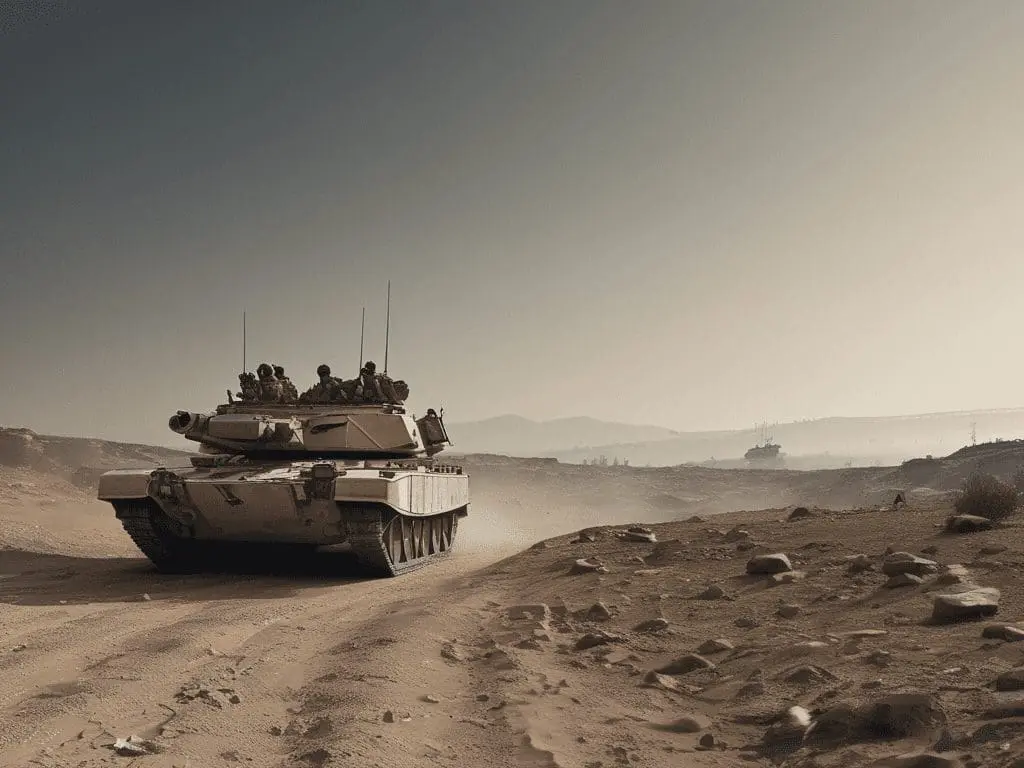
    Iran, an Islamic republic, has been a vocal supporter of the Palestinian cause and has often called for the destruction of Israel. On the other hand, Israel sees itself as a Jewish state surrounded by hostile Arab and Muslim countries, including Iran , which it perceives as a threat to its existence.

    The conflict between Iran and Israel has manifested itself in various ways over the years, including through proxy wars, cyberattacks, and hostile rhetoric. Iran has backed militant groups such as Hezbollah in Lebanon and Hamas in Gaza, both of which have carried out attacks against Israel. Israel, on the other hand, has conducted airstrikes in Syria, where Iran has a significant military presence, in an effort to prevent the transfer of weapons to Hezbollah.

    The nuclear issue has also been a major point of contention between Iran and Israel. Iran’s nuclear program has been a source of concern for Israel, which fears that Iran could develop nuclear weapons and pose a threat to its security. In response, Israel has advocated for tough sanctions on Iran and has not ruled out the possibility of military action to prevent Iran from acquiring nuclear weapons.

    Despite the tensions between the two countries, there have been some attempts at diplomacy and dialogue. The Iran nuclear deal, also known as the Joint Comprehensive Plan of Action (JCPOA), was signed in 2015 with the aim of limiting Iran’s nuclear program in exchange for the lifting of sanctions. However, the US withdrawal from the deal in 2018 and the subsequent re-imposition of sanctions have further strained relations between Iran and Israel.

    The conflict between Iran and Israel is complex and multifaceted, with deep-rooted historical, religious, and political factors at play. As long as these issues remain unresolved, the conflict is likely to continue, with potentially dangerous consequences for the region and beyond. It is crucial for both countries to find a way to de-escalate tensions and engage in meaningful dialogue to address their differences and work towards peace and stability in the Middle East.
  • Cold War Redux: The British-Russian Conflict

    Cold War Redux: The British-Russian Conflict

    Advertisements

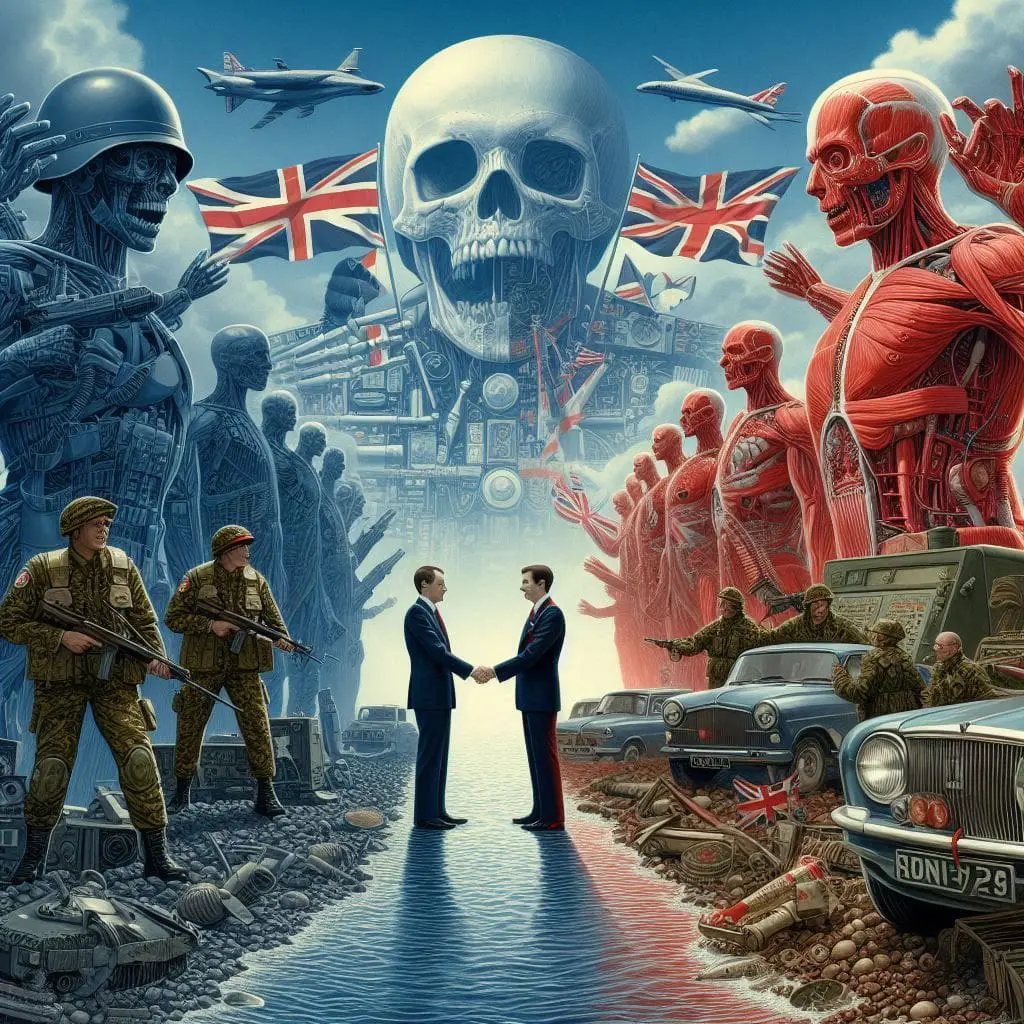
    One of the most well-known British-Russian conflicts was during the Crimean War (1853-1856), in which Russia’s expansionist policies in the Ottoman Empire led to a war with Britain, France, and the Ottoman Empire. The war was fought on multiple fronts, including the Crimean Peninsula, and ultimately resulted in a victory for the allies. The conflict highlighted the rivalry between Britain and Russia for control over key strategic territories in Eastern Europe.

    The rivalry between Britain and Russia continued throughout the 19th and 20th centuries, with tensions escalating during the Cold War era. The British were leaders in the Western response to Soviet expansionism and aggression, with both nations engaging in espionage and military posturing throughout the period.

    More recently, tensions between Britain and Russia have flared up over various issues, including the poisoning of former Russian spy Sergei Skripal in the UK in 2018, which led to diplomatic expulsions and sanctions from both sides. The conflict has also played out in the arena of cybersecurity, with both nations accusing each other of cyberattacks and interference in domestic affairs.

    Furthermore, The ongoing conflict between Russia and Ukraine has deeply affected British-Russian relations. The British government has been highly critical of Russia’s actions in Ukraine, particularly since its annexation of Crimea in 2014 and its support for separatist rebels in eastern Ukraine. The UK has imposed economic sanctions on Russia and has been a vocal supporter of Ukraine’s sovereignty and territorial integrity.

    Despite the long history of conflict between Britain and Russia, there have also been moments of cooperation and dΓ©tente between the two nations. Both countries have been instrumental in global efforts to combat terrorism and piracy, and have worked together on various international initiatives, such as the Iran nuclear deal.

    In conclusion, the British-Russian conflict has been a recurring theme in global politics, with both nations vying for influence and power on the world stage. While the relationship between the two countries has been marked by periods of tension and hostility, there have also been moments of cooperation and collaboration. As we navigate the complex geopolitical landscape of the 21st century, it is important to recognise the nuances of the British-Russian conflict and work towards constructive dialogue and peace.

  • North Korea’s Threat to Target Europe with Nuclear Weapons: A Strategic Shift?

    North Korea’s Threat to Target Europe with Nuclear Weapons: A Strategic Shift?

    Advertisements

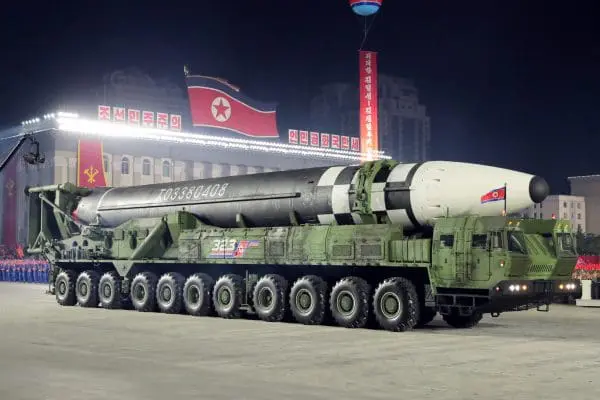
    North Korea has a well-documented history of threatening its neighbours and the United States with nuclear weapons. However, this latest development signals a shift in their target selection, as Europe has not traditionally been at the forefront of North Korea’s threats.

    So why has North Korea set its sights on Europe? Some experts believe that this new target is a strategic move by North Korean leader Kim Jong-un to expand his regime’s sphere of influence and assert his dominance on the world stage. By threatening Europe , Kim Jong-un may be attempting to further destabilise the global order and showcase his regime’s power and capabilities.

    The prospect of North Korea launching a nuclear attack on European soil is a terrifying one, and it raises important questions about the effectiveness of international efforts to prevent the proliferation of nuclear weapons. Despite years of sanctions and diplomatic pressure, North Korea has continued to develop its nuclear program and pose a threat to global security.

    In response to these latest threats, European leaders have condemned North Korea’s actions and called for increased sanctions and diplomatic efforts to address the situation. The European Union has reaffirmed its commitment to working with international partners to prevent the spread of nuclear weapons and ensure the safety and security of all nations.

    As the situation continues to evolve, it is imperative that the international community remains vigilant and united in its efforts to prevent North Korea from following through on its threats. The prospect of a nuclear attack on Europe is a sobering reminder of the grave dangers posed by rogue states with nuclear capabilities, and it underscores the urgent need for continued cooperation and coordination on the world stage.

    In the face of these threats, it is crucial that we stand together as a global community and send a clear message that nuclear aggression will not be tolerated. By working together and speaking with one voice, we can ensure that North Korea’s plan to nuke Europe remains nothing more than a dangerous and reckless threat.

  • Syria Conflict: Military Operations and International Involvement

    Syria Conflict: Military Operations and International Involvement

    Advertisements

    One of the most prominent military operations in Syria is being conducted by the Syrian government forces, backed by allies such as Russia and Iran. This operation is primarily aimed at regaining control of territories held by rebel groups and terrorist organisations such as ISIS. The Syrian government forces have been making significant gains in recent months, reclaiming key areas in the country and pushing back against opposition forces.

    On the other side of the conflict, the United States and its coalition partners are also conducting military operations in Syria, primarily focused on combating ISIS. The US-led coalition has been carrying out airstrikes and supporting ground operations by local forces to weaken and ultimately defeat the terrorist group. While ISIS has been significantly weakened in recent years, pockets of resistance still remain in certain areas of Syria.

    Another major player in the Syrian conflict is Turkey, which launched a military operation in northern Syria in 2019 with the aim of creating a buffer zone along its border and pushing back against Kurdish forces. The Turkish military operation has led to clashes with Kurdish fighters and has raised concerns about the potential for further destabilisation in the region.

    Overall, the military operations in Syria are complex and multifaceted, with multiple actors pursuing their own agendas and objectives. The conflict shows no signs of abating anytime soon, and the situation on the ground remains volatile and unpredictable. As the various military forces continue to jockey for control and influence in Syria, the civilian population continues to bear the brunt of the ongoing violence and suffering.

    It is imperative that all parties involved in the Syrian conflict prioritise the protection of civilians and work towards a peaceful resolution to the conflict. The cycle of violence and destruction in Syria has already caused immense human suffering, and it is high time for all sides to come together and work towards a lasting and sustainable peace in the country. Only through cooperation and diplomacy can the cycle of violence be broken and the people of Syria be given a chance to rebuild their lives and their country.

  • The Role of Multilateral Diplomacy in Addressing Global Challenges

    The Role of Multilateral Diplomacy in Addressing Global Challenges

    Advertisements

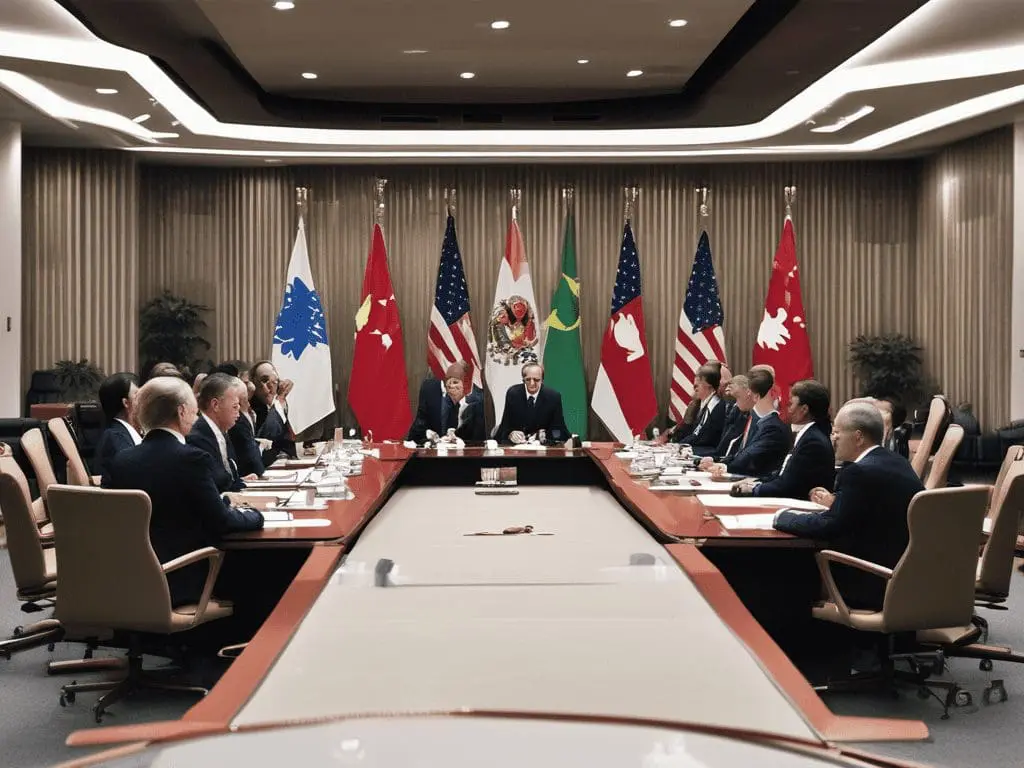
    One of the key benefits of multilateral diplomacy is that it allows countries to pool their resources and share the burden of addressing complex issues. For example, in the case of climate change, no single country can solve the problem alone. By working together through organisations like the United Nations or the Paris Agreement, countries can develop joint strategies and initiatives to reduce greenhouse gas emissions and protect the environment.

    Multilateral diplomacy also promotes dialogue and understanding between countries, helping to prevent conflicts and build trust. By bringing together countries with different perspectives and interests, multilateral diplomacy encourages dialogue and compromise, leading to more sustainable and inclusive solutions.

    Furthermore, multilateral diplomacy helps to uphold international norms and standards, promoting peace, security, and human rights around the world. Through multilateral forums, countries can coordinate efforts to combat terrorism, prevent nuclear proliferation, and protect civilians in conflict zones. These shared commitments help to strengthen the rule-based international order and promote stability and cooperation.

    However, multilateral diplomacy also faces challenges. Negotiating with multiple countries can be complex, time-consuming, and at times, frustrating. Different countries may have competing interests and priorities, making it difficult to reach consensus on important issues. Additionally, countries may sometimes prioritise their own national interests over the collective good, leading to gridlock and inaction.

    Despite these challenges, multilateral diplomacy remains an essential tool for addressing global challenges and promoting peace and cooperation. In an increasingly interconnected world, countries must work together to find solutions to common problems and build a more secure and prosperous future for all. By embracing the principles of dialogue, cooperation, and shared responsibility, multilateral diplomacy offers a pathway towards a more peaceful and sustainable world.

  • Adapting to New Threats: NATO’s Strategic Plan for World War III

    Adapting to New Threats: NATO’s Strategic Plan for World War III

    Advertisements

    NATO, or the North Atlantic Treaty Organisation, is a political and military alliance of 30 countries that was formed in 1949 to counter the threat of Soviet aggression. Since the end of the Cold War, NATO has shifted its focus to combating terrorism and ensuring security in Europe, but recent events have forced the alliance to reevaluate its strategic priorities.

    One key aspect of NATO’s plan for World War III is to strengthen its collective defence capabilities. This includes improving interoperability among member countries’ armed forces, increasing defence spending, and deploying troops to Eastern European countries to deter Russian aggression. NATO has also been conducting military exercises and war games to test its readiness for a potential conflict.

    Another important element of NATO’s plan is to build partnerships with other countries and organisations that share its values and goals. This includes working closely with the European Union, the United Nations, and other regional alliances to coordinate responses to crises and conflicts. NATO has also been reaching out to countries in the Asia-Pacific region to establish closer ties and address common security challenges.

    One of the biggest challenges that NATO faces in preparing for World War III is the changing nature of warfare. Cyberattacks, disinformation campaigns, and hybrid warfare tactics pose new threats that traditional military strategies may not be equipped to handle. NATO has been investing in cybersecurity and intelligence capabilities to address these emerging challenges and protect its member countries from cyber threats.

    Overall, NATO’s plan for World War III is focused on deterrence, defence, and cooperation. The alliance is committed to preventing a global conflict through diplomatic means, but is also prepared to defend its member countries if necessary. By working together and adapting to the changing security landscape, NATO hopes to maintain peace and stability in the face of increasing global tensions.

  • Exploring Nuclear Power in Latino America: Tracking Countries with Nuclear Capabilities

    Exploring Nuclear Power in Latino America: Tracking Countries with Nuclear Capabilities

    Advertisements

    Argentina πŸ‡¦πŸ‡·

    Argentina stands out as one of the few Latin American countries to have developed nuclear power capabilities. With a long-standing commitment to nuclear technology, Argentina established its first research reactor in the mid-1950s. Today, the country operates three nuclear power plants, generating approximately 5% of its total electricity. This significant investment in nuclear power has positioned Argentina as a leading player in the region.

    Brazil πŸ‡§πŸ‡·

    Another prominent country on the Latin American nuclear power map is Brazil. The Brazilian government strongly believes in the peaceful use of nuclear energy. Brazil’s nuclear program, initiated in the 1960s, has since grown steadily. The nation possesses two operational nuclear power plants and is actively exploring the potential for additional facilities to meet its growing energy demands. Moreover, Brazil has established extensive research and development capabilities, including uranium enrichment expertise.

    Mexico πŸ‡²πŸ‡½

    While often overlooked in discussions on nuclear powers in Latin America, Mexico cannot be forgotten. Mexico has long been investing in nuclear research and development since establishing the Mexican Nuclear Energy Commission in 1956. Although not operating any nuclear power plants currently, the country is exploring the possibility and has entered agreements with other countries (e.g., France) to study the potential of the nuclear energy sector. Mexico’s commitment to nuclear development hints at its intention to join the ranks of nuclear-powered nations.

    Chile πŸ‡¨πŸ‡± and Uruguay πŸ‡ΊπŸ‡Ύ

    Chile and Uruguay, while not possessing nuclear power capabilities, have shown interest and ambitions in this field. Chile has discussed the potential for establishing nuclear power plants, driven by the need for long-term energy sustainability and diversification. Similarly, Uruguay has expressed interest in pursuing nuclear technology for peaceful purposes, including the potential construction of nuclear reactors. These two countries are worth watching as they continue to assess their options for nuclear power.

    Conclusion

    Although nuclear power capabilities in Latin America are limited to a few countries, the potential for growth and diversification remains significant. Argentina and Brazil stand as examples of countries with well-established nuclear programs, while Mexico, Chile, and Uruguay have shown interest and a desire to further explore this field. As the global energy landscape continues to evolve, keeping an eye on nuclear developments in Latin America is instrumental not only for regional dynamics but also for the region’s future energy security and sustainability.

    Advertisements