Tag: Diplomacy

  • Russia-Vietnam Diplomatic and Economic Relations: A Strong and Enduring Partnership

    Russia-Vietnam Diplomatic and Economic Relations: A Strong and Enduring Partnership

    Advertisements

    One of the main factors that have helped solidify the relationship between Russia and Vietnam is their shared history of fighting against imperialism. During the Vietnam War, Russia provided significant support to the Vietnamese people in their struggle against the United States . This support helped forge a strong bond between the two nations that has persisted to this day.

    Economically, Russia and Vietnam have also worked closely together. Russia has played a key role in helping Vietnam develop its energy sector, providing technological expertise and investment. The two countries have also collaborated in the fields of defence and technology, with Russia supplying Vietnam with military equipment and assistance in modernising its armed forces.

    In recent years, the relationship between Russia and Vietnam has continued to strengthen. In 2012, the two countries signed a strategic partnership agreement, further cementing their ties. This agreement has led to increased cooperation in a variety of fields, including trade, investment, and culture.

    One of the key areas of collaboration between Russia and Vietnam is in the energy sector. Russia is one of the world’s leading producers of oil and gas, and has been working with Vietnam to develop its own energy resources. Russian companies have invested heavily in Vietnam’s offshore oil and gas fields, helping to boost the country’s energy production.

    In addition to economic cooperation, Russia and Vietnam have also worked together on cultural exchanges and people-to-people ties. Russian language and culture are becoming increasingly popular in Vietnam, with many Vietnamese students choosing to study in Russia. Likewise, Russian tourists are also flocking to Vietnam to enjoy its beautiful beaches and vibrant culture.

    Overall, the relationship between Russia and Vietnam is a strong and enduring one that benefits both countries. With shared interests in politics, economics, and culture, the two nations are likely to continue to deepen their ties in the years to come. As both countries continue to grow and develop, their partnership will play an important role in shaping the future of the region.

  • North Korea-United Kingdom Relations: Tensions, Nuclear Ambitions, and Human Rights Abuses

    North Korea-United Kingdom Relations: Tensions, Nuclear Ambitions, and Human Rights Abuses

    Advertisements

    The United Kingdom has been a vocal critic of North Korea’s human rights record, with the British government condemning the regime for its use of forced labour camps, executions, and repression of political dissent. The UK has consistently pushed for tough sanctions against North Korea in response to its nuclear weapons program and provocative missile tests.

    Despite these tensions, there have been some attempts at dialogue between the two countries in recent years. In 2019, North Korean leader Kim Jong-un invited then-UK Prime Minister Theresa May to visit Pyongyang in an effort to improve relations. However, the invitation was declined due to concerns about North Korea’s human rights abuses and nuclear program.

    The UK has also been involved in international efforts to denuclearise North Korea, participating in talks with other countries such as the United States, South Korea, and China. However, progress has been slow, with North Korea continuing to defy international pressure and test its nuclear capabilities.

    In recent years, the relationship between North Korea and the United Kingdom has continued to be strained, with the UK condemning North Korea’s ballistic missile tests and nuclear program. The UK has called on North Korea to abandon its nuclear weapons and engage in dialogue with the international community to address its security concerns.

    Overall, the relationship between North Korea and the United Kingdom remains tense and fraught with challenges. Both countries will need to continue to engage in diplomatic efforts to address their differences and work towards a more stable and peaceful relationship in the future.

  • The Morality of International Economic Sanctions

    The Morality of International Economic Sanctions

    Advertisements

    On one hand, proponents of economic sanctions argue that they can be an effective way to signal disapproval of a country’s actions and to compel them to change their behaviour . For example, sanctions were imposed on South Africa during the apartheid era, ultimately contributing to the dismantling of the oppressive regime. Similarly, sanctions have been used to deter countries from pursuing nuclear weapons programs, such as in the case of Iran.

    However, critics of economic sanctions argue that they can have unintended humanitarian consequences, particularly for vulnerable populations. For example, sanctions can restrict access to essential goods and services, such as food, medicine, and clean water, leading to increased poverty and suffering among ordinary citizens. In some cases, sanctions can exacerbate existing political tensions and contribute to the destabilisation of a country, as seen in Venezuela and North Korea.

    Furthermore, economic sanctions can also be seen as a form of economic warfare that disproportionately affects the most marginalised and vulnerable populations within a country. They can be used as a tool by more powerful countries to assert dominance and influence the political landscape of a region, without considering the impact on civilians who have little control over the actions of their government.

    Ultimately, the morality of economic sanctions depends on the context in which they are used and the potential consequences they may have on innocent civilians. While they can be a useful tool in certain circumstances, policymakers must carefully weigh the potential benefits against the harmful impact on populations. It is important to consider alternative diplomatic and humanitarian approaches that prioritise the well-being of individuals and seek to facilitate dialogue and cooperation between countries. As we navigate the complex landscape of international relations, it is crucial to always remember the human cost of our actions and strive for ethical decision-making in all circumstances.

  • Cold War Redux: The British-Russian Conflict

    Cold War Redux: The British-Russian Conflict

    Advertisements

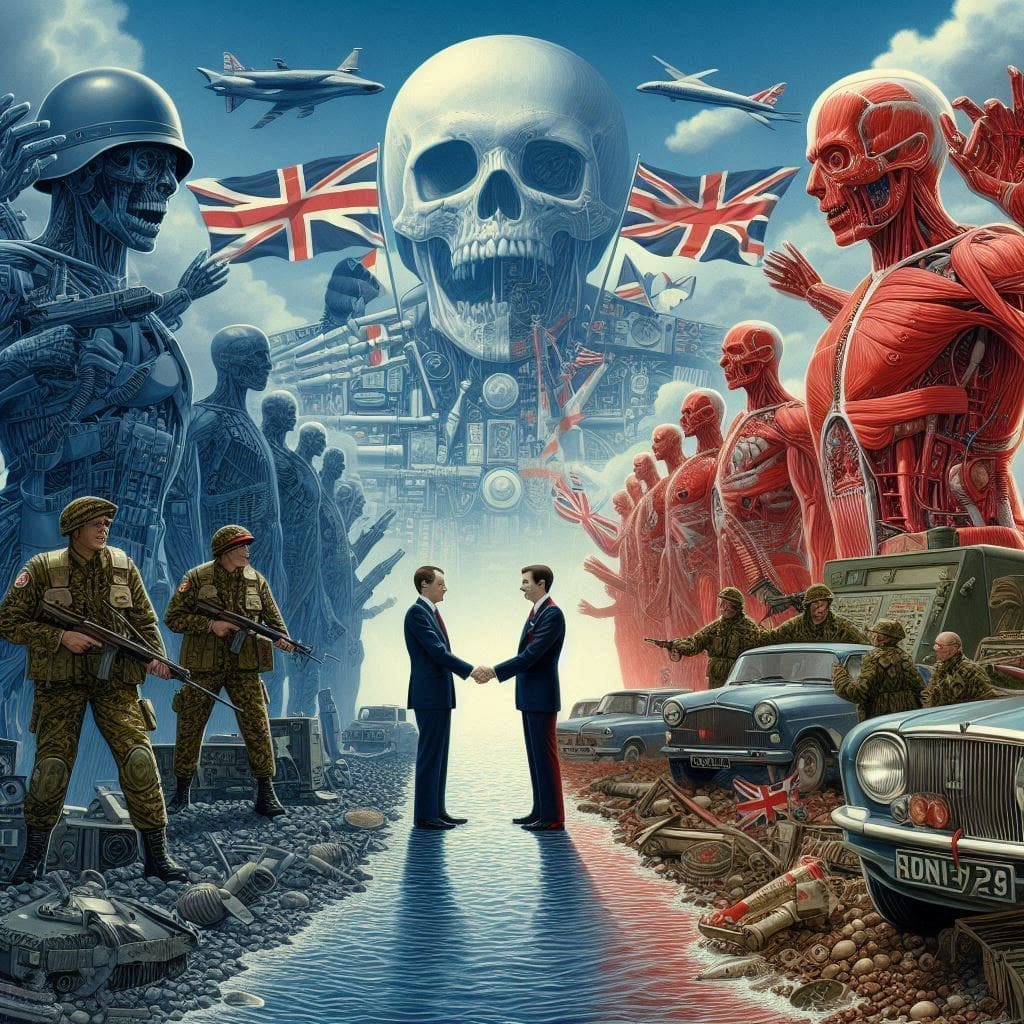
    One of the most well-known British-Russian conflicts was during the Crimean War (1853-1856), in which Russia’s expansionist policies in the Ottoman Empire led to a war with Britain, France, and the Ottoman Empire. The war was fought on multiple fronts, including the Crimean Peninsula, and ultimately resulted in a victory for the allies. The conflict highlighted the rivalry between Britain and Russia for control over key strategic territories in Eastern Europe.

    The rivalry between Britain and Russia continued throughout the 19th and 20th centuries, with tensions escalating during the Cold War era. The British were leaders in the Western response to Soviet expansionism and aggression, with both nations engaging in espionage and military posturing throughout the period.

    More recently, tensions between Britain and Russia have flared up over various issues, including the poisoning of former Russian spy Sergei Skripal in the UK in 2018, which led to diplomatic expulsions and sanctions from both sides. The conflict has also played out in the arena of cybersecurity, with both nations accusing each other of cyberattacks and interference in domestic affairs.

    Furthermore, The ongoing conflict between Russia and Ukraine has deeply affected British-Russian relations. The British government has been highly critical of Russia’s actions in Ukraine, particularly since its annexation of Crimea in 2014 and its support for separatist rebels in eastern Ukraine. The UK has imposed economic sanctions on Russia and has been a vocal supporter of Ukraine’s sovereignty and territorial integrity.

    Despite the long history of conflict between Britain and Russia, there have also been moments of cooperation and détente between the two nations. Both countries have been instrumental in global efforts to combat terrorism and piracy, and have worked together on various international initiatives, such as the Iran nuclear deal.

    In conclusion, the British-Russian conflict has been a recurring theme in global politics, with both nations vying for influence and power on the world stage. While the relationship between the two countries has been marked by periods of tension and hostility, there have also been moments of cooperation and collaboration. As we navigate the complex geopolitical landscape of the 21st century, it is important to recognise the nuances of the British-Russian conflict and work towards constructive dialogue and peace.

  • North Korea-Colombia Relations: A Complex Economic Partnership

    North Korea-Colombia Relations: A Complex Economic Partnership

    Advertisements

    One of the key areas of interaction between the two countries has been in the realm of trade. In recent years, North Korea has been looking to expand its trade partnerships beyond its traditional allies like China and Russia . Colombia, with its strong economy and growing international influence, presents an attractive partner for North Korea. There have been reports of North Korean companies looking to establish business ties in Colombia, particularly in the areas of mining and energy.

    However, these economic aspirations have been complicated by Colombia’s close ties with the United States. As a key ally of the US, Colombia has been under pressure to limit its interactions with North Korea, particularly in light of the ongoing tensions between North Korea and the US over the latter’s nuclear ambitions. This has led to some strains in the relationship between North Korea and Colombia, with the Colombian government taking steps to restrict trade with North Korea in line with US sanctions.

    Despite these tensions, there have been some positive developments in the relationship between North Korea and Colombia. In 2017, for example, North Korea’s ambassador to Cuba visited Colombia and met with government officials, signalling a potential thaw in relations. There have also been reports of cultural exchanges between the two countries, with North Korean musicians performing in Colombia and Colombian artists showcasing their work in North Korea.

    Overall, while North Korea and Colombia may not have a formal relationship, there are signs of potential cooperation and engagement between the two countries. As the global political landscape continues to evolve, it will be interesting to see how their relationship develops in the future.

  • Creative Diplomacy: Innovating Foreign Policy for the 21st Century

    Creative Diplomacy: Innovating Foreign Policy for the 21st Century

    Advertisements

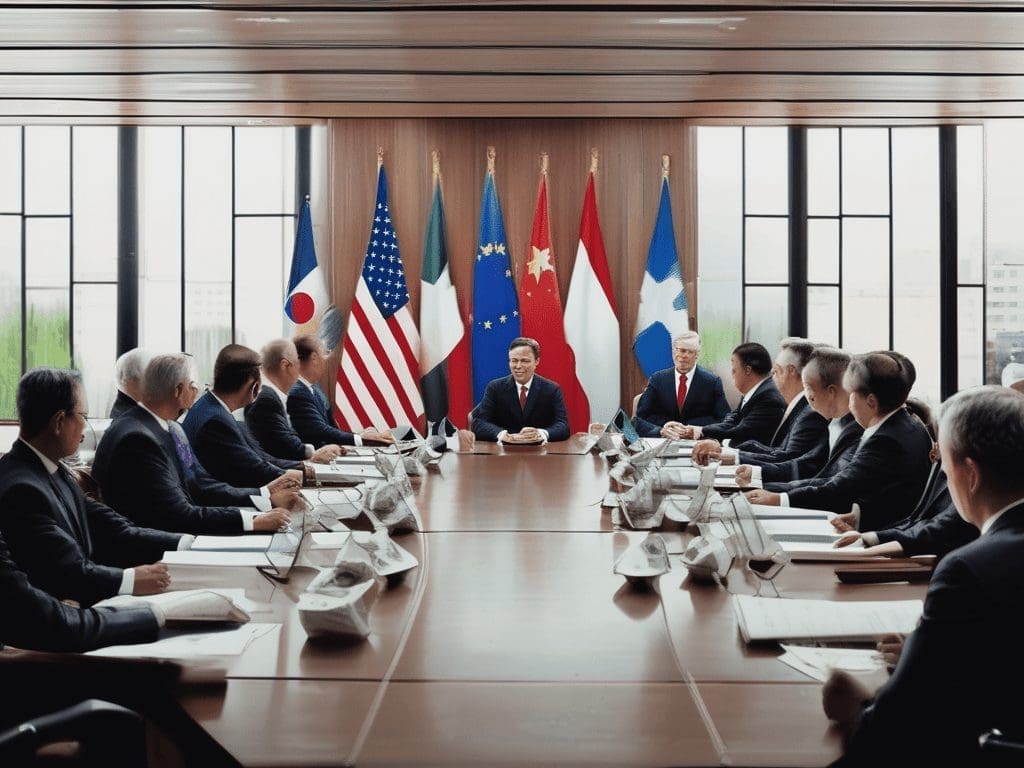
    At its core, creative diplomacy is about thinking outside the box and finding new ways to build bridges and foster understanding between nations. It recognises the power of art , culture, technology, and other forms of creative expression in promoting peace and cooperation.

    One example of creative diplomacy in action is the use of cultural exchanges and artistic collaborations to forge connections between countries. By showcasing the rich cultural traditions of different nations, diplomats can help to break down stereotypes and build trust between peoples. This not only fosters greater understanding, but also helps to promote mutual respect and cooperation on a global scale.

    Another key aspect of creative diplomacy is the use of technology to facilitate communication and collaboration between nations. In today’s digital age, social media and online platforms have become powerful tools for diplomats to engage with people around the world and promote dialogue on important issues. Virtual conferences, webinars, and other digital initiatives can help to bring together experts and leaders from different countries to discuss common challenges and find new ways to work together.

    In addition to cultural exchanges and technological innovations, creative diplomacy also encompasses a range of other approaches, such as public diplomacy, economic diplomacy, and track II diplomacy. These various tools and techniques can be used in combination to create a more holistic and effective approach to international relations.

    In conclusion, creative diplomacy offers a fresh and innovative approach to addressing the complex and interconnected challenges of the 21st century. By harnessing the power of creativity, innovation, and collaboration, diplomats can forge new connections, build trust, and find peaceful solutions to even the most intractable conflicts. As the world becomes increasingly interconnected, creative diplomacy will play an important role in shaping the future of international relations.