Category: Science

  • Modulating Neural Activity: Unlocking the Secrets of the Brain

    Modulating Neural Activity: Unlocking the Secrets of the Brain

    Advertisements

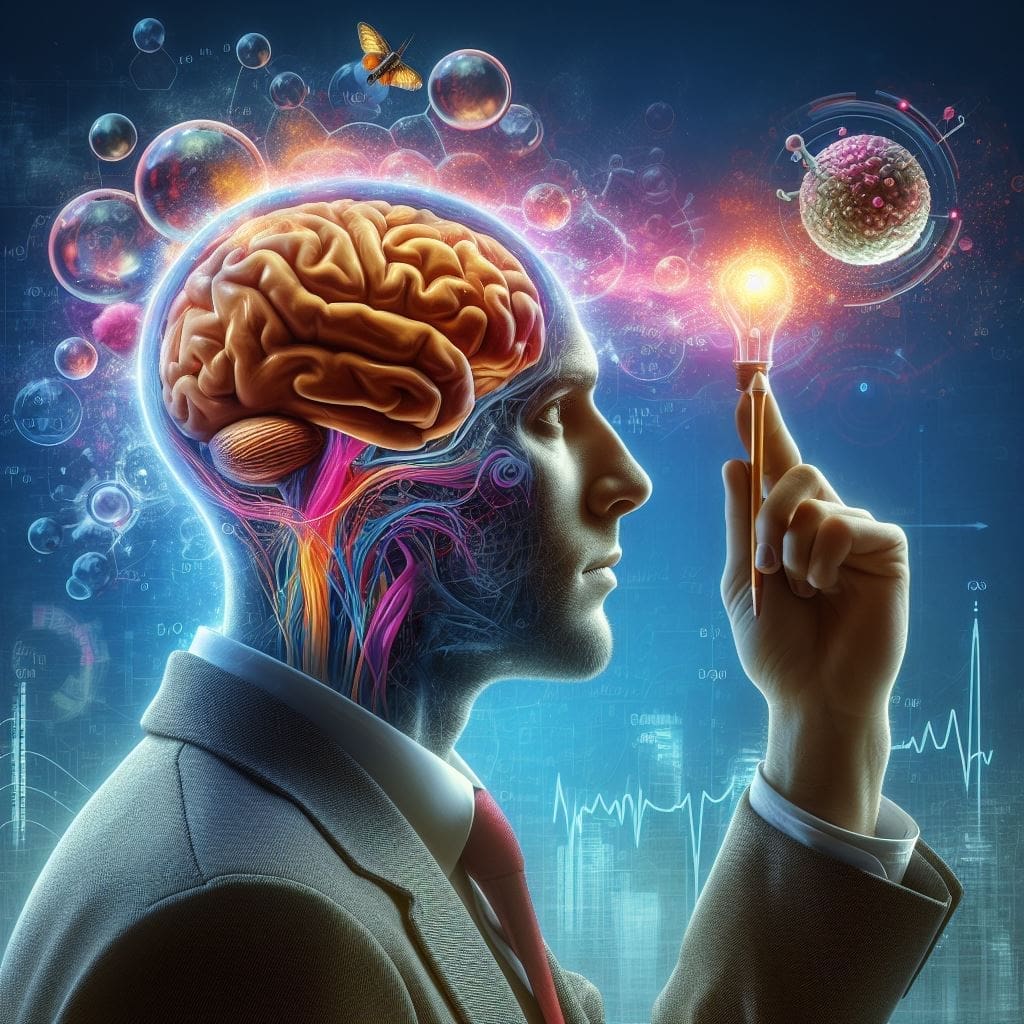
    Neural modulation refers to the ability to influence or change the firing patterns and activity levels of neurons within the brain. This can be achieved through a variety of methods, including electrical stimulation, optogenetics, and pharmaceutical interventions. By modulating neural activity, researchers aim to gain a deeper understanding of how the brain works and potentially develop new treatments for neurological disorders.

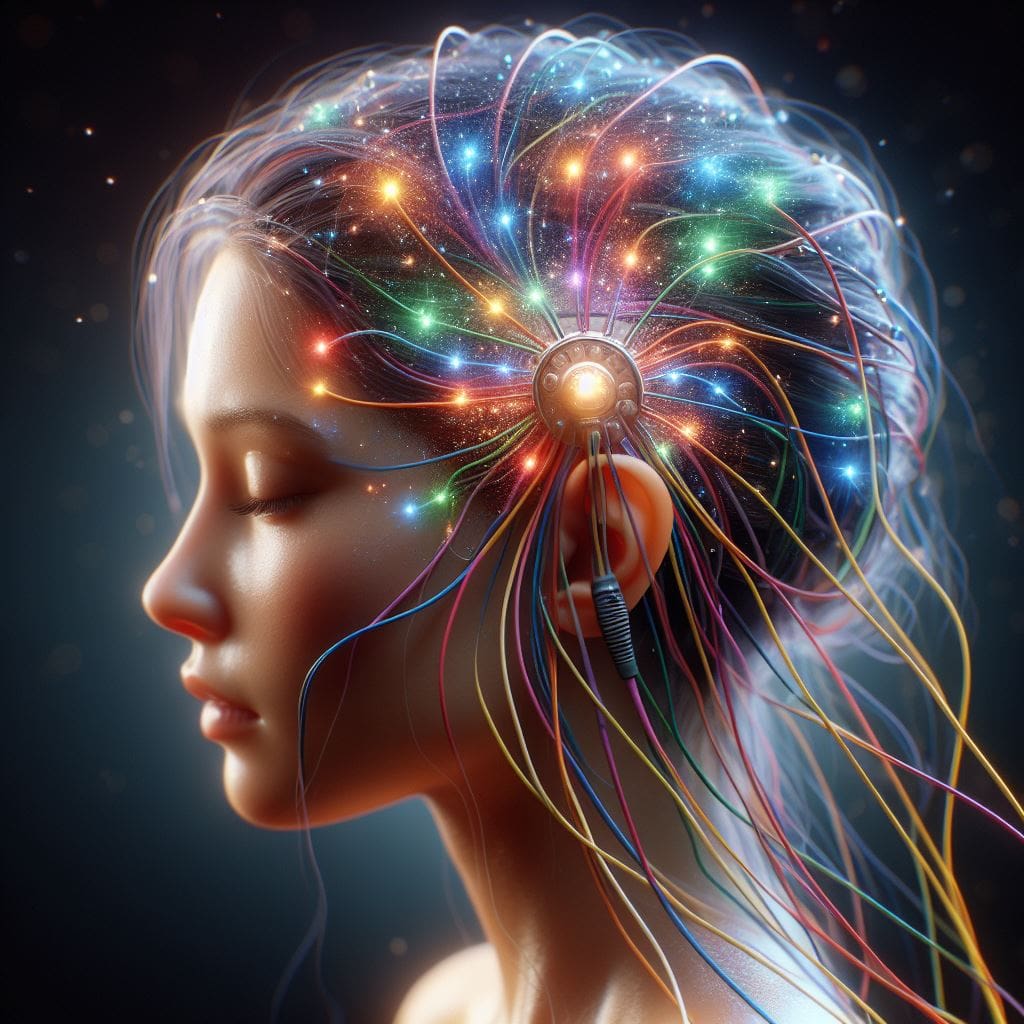
    One of the most widely recognised techniques for modulating neural activity is electrical stimulation. By applying electrical currents to specific regions of the brain, scientists can directly control or modulate the activity of neurons in those areas. This method has been successfully used in a variety of applications, such as deep brain stimulation for Parkinson’s disease and transcranial magnetic stimulation for depression.

    Another powerful tool in modulating neural activity is optogenetics, a technique that combines genetic engineering and light-based stimulation of neurons. By introducing light-sensitive proteins into specific brain cells, researchers can activate or inhibit the neurons using focused light beams. Optogenetics has been instrumental in studying the relationship between neuronal activity and behaviour in animal models and has the potential to revolutionise our understanding of the brain’s inner workings.

    Pharmaceutical interventions represent yet another strategy for modulating neural activity. Traditional drugs targeting neurotransmitters have long been used to treat various neurological conditions, such as schizophrenia, depression, and anxiety disorders. However, new advancements in drug delivery systems and the development of more specific and targeted medications are opening up exciting possibilities for modulating neural activity with greater precision and fewer side effects.

    The ability to modulate neural activity holds tremendous potential for understanding and even manipulating brain function. By selectively activating or inhibiting specific neurons, scientists can examine the causal relationship between neural activity and various cognitive processes or behaviours. This knowledge could be transformative in fields such as cognitive neuroscience, as it offers a way to investigate the underlying mechanisms of perception, memory formation, decision-making, and more.

    Furthermore, modulating neural activity has the potential to pave the way for groundbreaking treatments for neurological disorders. By restoring or normalising neural activity in affected brain regions, it might be possible to alleviate symptoms and improve the quality of life for individuals with conditions like Parkinson’s disease, epilepsy, or even spinal cord injuries.

    Nevertheless, it is crucial to approach the modulation of neural activity with caution and ethics in mind. The brain is a delicate and intricate system, and any manipulation should be done with careful consideration for potential risks and unintended consequences. It is essential that research in this area continues to prioritise ethics, informed consent, and safety measures.

    In conclusion, modulating neural activity represents a fascinating and promising avenue of research for understanding the brain and developing treatments for neurological disorders. Whether through electrical stimulation, optogenetics, or pharmaceutical interventions, scientists are gradually unlocking the secrets of the brain and inching closer to harnessing its full potential. As our knowledge and understanding expand, we can hope for a future where the mysteries of the mind are demystified, leading to improved well-being and advancements in neuroscience.


    Advertisements
  • The Genetics of Impulse Control

    The Genetics of Impulse Control

    Advertisements

    Research has shown that genetics can influence our predisposition to impulse control issues. Studies have found that certain genetic variations can affect the functioning of the brain regions responsible for regulating impulses, such as the prefrontal cortex. These variations may lead to differences in how individuals process reward and punishment, which can ultimately impact their ability to control their impulses.

    One gene that has been linked to impulse control is the COMT gene, which affects the production of an enzyme that breaks down dopamine, a neurotransmitter involved in reward and motivation. Variations in this gene have been associated with differences in dopamine levels in the brain, which can influence an individual’s susceptibility to impulsive behaviours. Another gene that has been implicated in impulse control is the MAOA gene, which codes for an enzyme that breaks down neurotransmitters like serotonin and dopamine. Variations in this gene have been linked to increased impulsivity and aggression.

    In addition to genetic factors, environmental influences can also play a role in shaping an individual’s impulse control. Factors such as upbringing, social environment, and life experiences can all contribute to the development of impulse control issues. However, genetics can set the stage for how individuals respond to these environmental influences, making some more predisposed to impulsive behaviour than others.

    Understanding the genetics of impulse control can have important implications for interventions and treatments. By identifying individuals who may be genetically predisposed to impulse control issues, healthcare professionals can implement targeted interventions to help them improve their ability to regulate their impulses. For example, cognitive-behavioural therapies that focus on impulse control skills may be particularly effective for individuals with genetic variations that impact their ability to regulate their impulses.

    Ultimately, while genetics may play a role in determining an individual’s impulse control abilities, it is important to remember that behaviour is complex and influenced by a multitude of factors. By understanding the genetic underpinnings of impulse control, we can better tailor interventions and support for those who may struggle with managing their impulses. By addressing both genetic and environmental factors, we can help individuals strengthen their impulse control and make more informed decisions that lead to positive outcomes in their lives.

  • Brain-Peptide Connection

    Brain-Peptide Connection

    Advertisements

    The brain-peptide connection is a complex and intricate system that involves the interaction between various peptides and their receptors in the brain. These peptides are produced in different parts of the brain and body, and they are involved in a wide range of functions, from regulating our appetite and sleep to influencing our emotions and stress responses.

    One of the most well-known brain peptides is oxytocin, often referred to as the β€œlove hormone” or β€œbonding hormone”. Oxytocin is released in response to social bonding activities such as hugging, kissing, and sexual intimacy, and it plays a key role in fostering feelings of trust, empathy, and connection with others. Research has shown that higher levels of oxytocin are associated with increased feelings of wellbeing and reduced stress levels.

    Another important brain peptide is endorphin, which is often called the β€œfeel-good hormone” because it is released in response to activities like exercise, laughter, and positive social interactions. Endorphins are our body’s natural painkillers, and they can help to reduce feelings of discomfort and boost our mood. Studies have shown that regular physical activity can increase endorphin levels in the brain, leading to a β€œrunner’s high” and a sense of euphoria.

    In addition to oxytocin and endorphins, there are many other peptides in the brain that play a role in regulating our mental and emotional wellbeing. For example, ghrelin is a peptide that stimulates appetite and promotes food intake, while leptin is a peptide that helps to regulate energy balance and body weight. Neuropeptide Y is involved in regulating stress responses and anxiety, while corticotropin-releasing hormone (CRH) is a key player in the body’s response to stress.

    The brain-peptide connection is a fascinating area of research that has the potential to revolutionise our understanding of mental health and wellbeing. By studying how different peptides interact with each other and with the brain, scientists are beginning to unravel the complex mechanisms that underlie our thoughts, feelings, and behaviours.

    In conclusion, the brain-peptide connection is a vital aspect of our overall health and wellbeing. By understanding how peptides influence our brain function and mental health, we can develop new treatments and therapies to improve our quality of life and support our brain’s optimal functioning. So next time you feel a surge of happiness after a good workout or a warm embrace, remember that it’s all thanks to the intricate interplay between your brain and its amazing array of peptides.

  • Scientifically Proven Techniques to Beat Depression

    Scientifically Proven Techniques to Beat Depression

    Advertisements

    Exercise

    One of the most effective ways to combat depression is through regular exercise. Studies have shown that physical activity can help improve mood and reduce symptoms of depression. Exercise releases endorphins, which are natural mood lifters, and can also help regulate stress hormones. Aim for at least 30 minutes of moderate exercise most days of the week, whether it’s going for a jog, taking a yoga class, or going for a bike ride.

    Practise Mindfulness

    Mindfulness involves focusing on the present moment without judgement. It has been shown to be an effective tool in managing depression by helping to decrease rumination and negative thinking patterns. Mindfulness can be practised through meditation, deep breathing exercises, or simply by paying attention to your surroundings and how you are feeling in the moment. Consider incorporating mindfulness practices into your daily routine to help combat feelings of sadness and anxiety.

    Get Enough Sleep

    Sleep plays a crucial role in both physical and mental health. Lack of sleep can exacerbate symptoms of depression and make it more difficult to cope with stress. Aim for 7-9 hours of quality sleep each night by establishing a bedtime routine, creating a comfortable sleep environment, and avoiding stimulants like caffeine and electronic devices before bed. If you are struggling with sleep, consider speaking with a healthcare provider about potential solutions.

    Eat a Healthy Diet

    What you eat can have a significant impact on your mental health. Studies have shown that a diet rich in fruits, vegetables, whole grains, and lean proteins can help improve mood and reduce symptoms of depression. Conversely, a diet high in processed foods, sugar, and unhealthy fats can contribute to feelings of fatigue and low mood. Consider working with a registered dietitian to create a balanced meal plan that supports your mental health.

    Connect with Others

    Social support is crucial in managing depression. Reach out to friends, family members, or a therapist for emotional support and encouragement. Joining a support group or participating in community activities can also provide a sense of belonging and connection. Remember that you are not alone in your struggles and that there are people who care about you and want to help.

    Conclusion

    In conclusion, depression is a complex and challenging condition, but there are effective strategies that can help you manage and overcome it. By incorporating techniques such as exercise, mindfulness, sleep hygiene, healthy eating, and social support into your daily routine, you can take proactive steps towards improving your mental health and well-being. Remember to be patient with yourself and seek professional help if needed. You deserve to live a happy and fulfilling life, free from the grips of depression.

  • Abnormal Brain Chemistry: Exploring the Complexities of Mental Health

    Abnormal Brain Chemistry: Exploring the Complexities of Mental Health

    Advertisements

    Understanding Brain Chemistry

    To comprehend abnormal brain chemistry, we must grasp the concept of normal brain chemistry. The brain relies on a delicate balance of neurotransmitters such as serotonin, dopamine, and norepinephrine, among many others. These chemicals play crucial roles in regulating mood, motivation, cognition, and other essential functions. When this balance is disrupted, it can result in a wide range of mental health disorders.

    The Role of Genetics and Environment

    Abnormal brain chemistry can have both genetic and environmental origins. Genetic factors can influence the production, release, and reuptake of neurotransmitters, thus affecting brain chemistry. However, it is essential to understand that genetics alone do not determine mental health outcomes. Environmental factors, like upbringing, stress, trauma, and substance abuse, can also disrupt brain chemistry, exacerbating the risk of mental health disorders.

    Impact on Mental Health

    Abnormal brain chemistry is often associated with various mental health disorders, including depression, anxiety, bipolar disorder, schizophrenia, and attention-deficit hyperactivity disorder (ADHD). For instance, individuals with depression typically exhibit decreased levels of serotonin and norepinephrine in their brains. These imbalances can influence mood regulation, leading to persistent feelings of sadness, hopelessness, and lethargy.

    Additionally, abnormal brain chemistry can affect cognitive functioning, memory, and decision-making abilities. Neurotransmitter imbalances may impair an individual’s capacity to concentrate, plan, and process information effectively. This can manifest as attention deficits in conditions like ADHD or cognitive dysfunction in disorders such as schizophrenia.

    Seeking Effective Treatments

    Understanding the relationship between abnormal brain chemistry and mental health disorders is crucial for effective treatment strategies. Traditional treatment options often include medication, therapy, or a combination of both. Medications, such as selective serotonin reuptake inhibitors (SSRIs) and mood stabilisers, aim to restore the balance of neurotransmitters in the brain. Therapeutic modalities, like cognitive-behavioural therapy (CBT) or psychotherapy, provide individuals with coping mechanisms and tools to manage their symptoms effectively.

    Moreover, emerging research is shedding light on the potential of neuromodulation techniques, such as transcranial magnetic stimulation (TMS) and deep brain stimulation (DBS), in treating abnormal brain chemistry. These innovative therapies aim to directly modify and regulate brain activity, providing promising alternatives for individuals who are unresponsive to standard treatments.

    Conclusion

    Abnormal brain chemistry is a complex phenomenon afflicting millions worldwide. While its origins may lie in genetic predispositions or environmental factors, understanding the intricate workings of the brain is crucial for effective treatment and support. By continuing to unravel the complexities of abnormal brain chemistry, we pave the way for improved interventions, destigmatisation, and better mental health outcomes for those affected. Ultimately, a deeper comprehension of this topic can foster empathy, compassion, and a more inclusive approach to mental health care.

    Advertisements
  • Criminal Endocrinology: Unveiling the Hidden Factors Behind Criminal Behaviour

    Criminal Endocrinology: Unveiling the Hidden Factors Behind Criminal Behaviour

    Advertisements

    Understanding Hormones

    Hormones are chemical messengers produced by various glands in our bodies, regulating essential bodily functions and influencing our behaviour. While hormones play a vital role in maintaining balance within our systems, certain imbalances can lead to behavioural changes and even criminal tendencies.

    Hormones and Aggression

    One of the primary areas that criminal endocrinology focuses on is the correlation between hormones and aggression. Studies have revealed that an excess or deficiency in testosterone levels can significantly impact an individual’s propensity towards violent or criminal behaviour. Testosterone, largely associated with male characteristics, has an undeniable role in boosting aggression, dominance, and risk-taking behaviour.

    Serotonin: The Mood Regulator

    Another hormone that plays a crucial role in criminal endocrinology is serotonin. Serotonin, known as the “feel-good hormone,” influences mood, sleep, appetite, and sexual behaviour. Deficiency in serotonin has been linked to impulsive and aggressive tendencies, indicating a potential connection between lower serotonin levels and criminal actions.

    Cortisol and Chronic Stress

    The stress hormone cortisol has gained increasing attention in recent years due to its involvement in criminal behaviour. Chronic stress, often characterised by elevated cortisol levels over an extended period, can impact decision-making, emotional control, and impulse regulation. The persistent strain caused by chronically elevated cortisol can push individuals towards criminal activities as a coping mechanism or to seek a temporary release.

    The Role of Thyroid Hormones

    Thyroid hormones are responsible for maintaining metabolism, energy levels, and overall cognitive functioning. Imbalances in thyroid hormone production have been associated with impulsivity, cognitive impairments, and increased risk-taking behaviour, which can contribute to criminal tendencies.

    The Future of Criminal Endocrinology

    Though still in its infancy, the field of criminal endocrinology holds immense promise for further comprehending the relationship between hormones and criminal behaviour. As technology advances and research expands, scientists may better identify the specific mechanisms linking hormones to deviant actions.

    Implications and Challenges

    While the findings from criminal endocrinology provide valuable insights, it is imperative to approach this subject cautiously. Correlations between hormones and criminal tendencies should not be used to stigmatise or discriminate against individuals but should guide efforts towards comprehensive rehabilitation and support mechanisms.

    Conclusion

    Criminal endocrinology is an emerging field that sheds light on the intricate interplay between hormones and criminal behaviour. Understanding the hormonal factors that contribute to deviant actions can potentially guide policymakers, criminologists, and psychologists to design more effective prevention and rehabilitation strategies. As research progresses, criminal endocrinology holds the potential to unveil new breakthroughs, dispel societal stigma, and promote a more empathetic approach to addressing criminal behaviour.

    Advertisements
  • Neurotransmitter Balance and Emotional Regulation: The Key to Mental Well-being

    Neurotransmitter Balance and Emotional Regulation: The Key to Mental Well-being

    Advertisements

    Understanding Neurotransmitters

    Neurotransmitters are chemical messengers that facilitate communication between nerve cells in our brain, known as neurons. These chemical messengers are responsible for transmitting signals across synapses, the junctions between neurons. There are several neurotransmitters involved in regulating emotions, including serotonin, dopamine, norepinephrine, and gamma-aminobutyric acid (GABA), among others.

    Importance of Neurotransmitter Balance

    Neurotransmitter balance is essential for maintaining emotional stability and overall mental health. When these chemical messengers are in equilibrium, they help regulate mood, prevent excessive anxiety or depression, and promote a general sense of well-being. However, imbalances in neurotransmitter levels can lead to emotional dysregulation, causing disturbances in mental health and leading to conditions such as depression, anxiety disorders, bipolar disorder, and more.

    Serotonin: The “Feel-Good” Neurotransmitter

    Serotonin is often referred to as the “feel-good” neurotransmitter due to its role in regulating mood, sleep, and appetite. Low serotonin levels are commonly associated with depression, while medications such as selective serotonin reuptake inhibitors (SSRIs) are used to increase serotonin availability and alleviate symptoms of depression.

    Dopamine: The Reward and Pleasure Neurotransmitter

    Dopamine plays a crucial role in the brain’s reward and motivation system. It is responsible for the feelings of pleasure and reward we experience in response to various stimuli, such as accomplishing a goal or engaging in enjoyable activities. Imbalances in dopamine levels are associated with conditions such as addiction, ADHD, and Parkinson’s disease.

    Norepinephrine: The Fight-or-Flight Neurotransmitter

    Norepinephrine helps regulate the body’s response to stress and is involved in the fight-or-flight response. It boosts alertness, focus, and arousal. An imbalance in norepinephrine levels can contribute to anxiety disorders and conditions like post-traumatic stress disorder (PTSD).

    GABA: The Calming Neurotransmitter

    GABA is an inhibitory neurotransmitter that helps calm and relax the mind. It counters the effects of excitatory neurotransmitters, promoting feelings of tranquillity and reducing anxiety. Reduced GABA levels are linked to anxiety disorders and may lead to an inability to regulate emotions effectively.

    Tips for Maintaining Neurotransmitter Balance

    1. Engage in regular exercise and physical activity, as it boosts the production of endorphins and can help increase levels of serotonin and dopamine.

    2. Make healthy dietary choices by consuming nutrient-rich foods that provide the necessary building blocks for neurotransmitter synthesis.

    3. Prioritise quality sleep, as lack of sleep can disrupt neurotransmitter levels and lead to emotional instability.

    4. Consider stress-management techniques, such as meditation, deep breathing, or mindfulness, to help regulate norepinephrine and cortisol levels.

    5. Explore therapy and counselling options, as professional guidance can assist in identifying and addressing any neurotransmitter imbalances or emotional regulation difficulties.

    Conclusion

    Achieving a harmonious balance of neurotransmitters is essential for emotional regulation and overall mental well-being. By understanding how neurotransmitters like serotonin, dopamine, norepinephrine, and GABA influence our emotions, we can take proactive steps to maintain balance. By prioritising lifestyle choices, seeking appropriate interventions, and adopting stress-reducing practices, we can enhance our emotional regulation capacities and experience a more stable and healthier emotional state. Remember, investing in our mental health is a lifelong endeavour that reaps invaluable rewards.

    Advertisements