Conclusions from 1915-1918
Category: Research
This category is about topics that are currently being researched about and where key findings are shared.
-

Open Government
2007
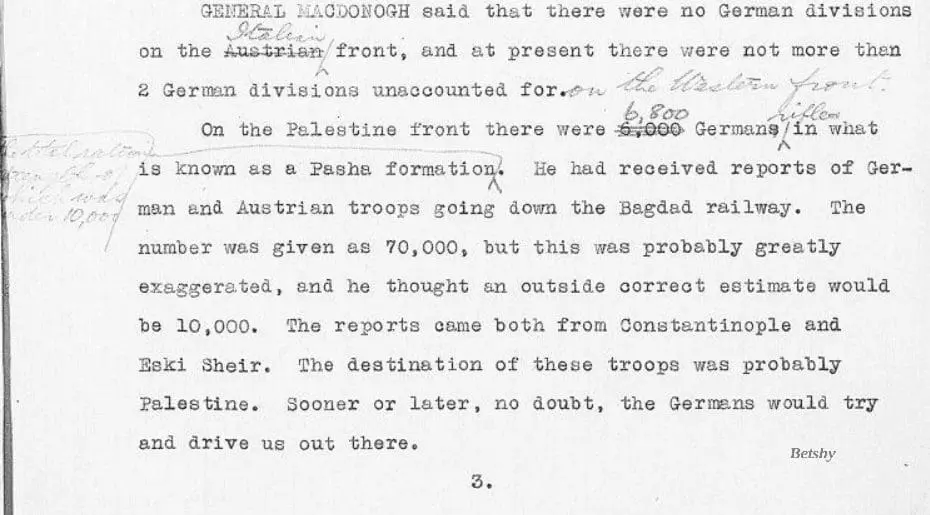
“It’s like ‘CSI,’ only it’s in records,” says Neil Carmichael, the supervisory archivist. “You never know what you’re going to get.”
The work, says Jeanne Schauble, is “esoteric,” all about arcane rules and layers of document review. She holds the rather Orwellian title of director of the Initial Processing and Declassification Division at the National Archives, which means she leads the beleaguered team of archivists faced with the task of making open government real.
“The United States has the most open government in the world,” says Steven Aftergood, director of the Project on Government Secrecy at the Federation of American Scientists, “but it also has the most secretive government in the world, if you measure it by the production of new secrets.”
-
The Semiology of Weather
Decoded
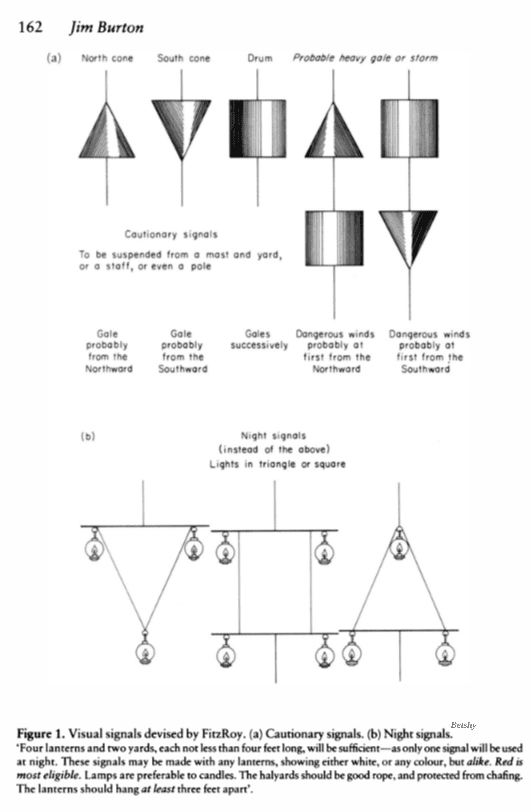
B - Barometer
E - Exposed thermometer in shade
D - Difference of wet bulb
W - Wind direction
F - Force (on Admiral Beaufort's Scale)
X - Extreme force since last report
C - Cloud (1-9)
I - Type of weather (b - blue sky; r - rain etc)
H - Hours of rainfall
S - Sea disturbance
Reference
-
The Past
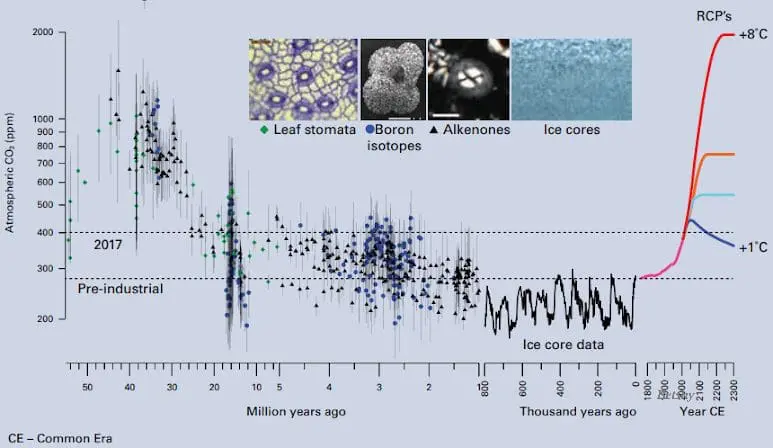
2018"The reconstruction of past climate provides an opportunity to learn how the Earth system responded to high concentrations of atmospheric carbon dioxide (CO2). To obtain information about the state of the atmosphere before instrumental records began, combinations of proxies are used in which physical characteristics of past environmental conditions are preserved. Tiny bubbles of ancient air captured in ice cores when new snow accumulating at the top solidified into ice, can be directly measured and give some insight into the composition of the atmosphere in the past"World Meteorological Organization