Category: Mental Health

  • Levothyroxine: Understanding and Managing Side Effects

    Levothyroxine: Understanding and Managing Side Effects

    Advertisements

    One common side effect of levothyroxine is hair loss. Some individuals may experience thinning or loss of hair while taking this medication. This can be distressing for many individuals, but it is important to remember that hair loss is usually temporary and will improve once the body adjusts to the medication.

    Another common side effect of levothyroxine is weight changes. Some individuals may experience weight gain or weight loss while taking this medication. It is important to monitor your weight and speak with your healthcare provider if you notice any significant changes.

    Other potential side effects of levothyroxine include irritability, insomnia, sweating, and heart palpitations. These side effects are typically mild and temporary, but if they persist or become bothersome, it is important to discuss them with your healthcare provider.

    In some cases, individuals may experience more serious side effects while taking levothyroxine, such as chest pain, irregular heartbeat, or difficulty breathing. If you experience any of these symptoms, it is important to seek medical attention immediately.

    It is also important to note that certain individuals may experience allergic reactions to levothyroxine, which can manifest as rash, itching, or swelling. If you experience any signs of an allergic reaction, it is important to stop taking the medication and seek medical help.

    If you are experiencing any side effects while taking levothyroxine, it is important to talk to your healthcare provider. They can help determine whether the side effects are normal and temporary, or if they require a change in medication dosage or type.

    In conclusion, while levothyroxine is an effective treatment for hypothyroidism, it can come with a range of side effects. It is important to be aware of these potential side effects and to talk to your healthcare provider if you experience any symptoms while taking this medication. By monitoring your symptoms and communicating with your healthcare provider, you can ensure that you are getting the most benefit from your treatment with levothyroxine.

  • Embracing the Void: Finding Meaning in Grief

    Embracing the Void: Finding Meaning in Grief

    Advertisements

    But what if we embraced the void instead? What if we allowed ourselves to fully experience our grief, to sit with it and explore its depths ? What if we saw grief not as something to be feared or avoided, but as an opportunity for growth and transformation?

    Embracing the void means acknowledging and accepting the emptiness that comes with loss. It means letting ourselves feel the pain and sadness fully, without trying to numb it or push it away. It means sitting with our grief, listening to its messages, and allowing it to teach us important lessons.

    By embracing the void, we can find meaning in our grief. We can learn more about ourselves, our relationships, and our values. We can appreciate the beauty of life and the preciousness of the time we have with our loved ones. We can find new ways to connect with others, to express our emotions, and to heal our wounds.

    Embracing the void is not an easy or comfortable process. It requires courage, honesty, and vulnerability. It requires us to confront our deepest fears and insecurities. But in doing so, we can emerge stronger, wiser, and more compassionate. We can find meaning in our grief, and in the process, find a renewed sense of purpose and joy.

    So the next time you find yourself in the midst of grief, remember to embrace the void. Allow yourself to fully experience your emotions, and trust that there is meaning to be found in the darkness. Embrace the void, and let it guide you on a journey of healing and transformation.

  • Managing Sertraline Side Effects: Nausea, Sleep, and Sexual Health

    Managing Sertraline Side Effects: Nausea, Sleep, and Sexual Health

    Advertisements

    One of the most common side effects of sertraline is nausea, which can occur in up to 20% of people taking the medication. This can often be managed by taking the medication with food or switching to a lower dose. Other gastrointestinal side effects can include diarrhea, constipation, and loss of appetite.

    Sertraline can also affect a person’s sleep patterns, causing insomnia or excessive drowsiness. This can be particularly challenging for individuals who already struggle with sleep disturbances due to their mental health condition. It is important to discuss any sleep-related side effects with your doctor to determine the best course of action.

    Some individuals may experience sexual side effects while taking sertraline, such as decreased libido, erectile dysfunction, or difficulty achieving orgasm. These side effects can be distressing for many people and may impact their overall quality of life. It is crucial to communicate openly with your doctor about any sexual side effects you may be experiencing so that they can help you find a solution that works for you.

    Sertraline can also have an impact on a person’s mood and mental well-being. Some individuals may experience increased anxiety, agitation, or even suicidal thoughts when starting the medication. It is important to monitor your mood closely while taking sertraline and seek help immediately if you notice any concerning changes.

    In rare cases, sertraline can cause more serious side effects such as allergic reactions, seizures, or liver. If you experience any severe or persistent side effects while taking sertraline, it is essential to seek medical attention right away.

    It is important to remember that everyone reacts differently to medications, and not everyone will experience the same side effects while taking sertraline. If you are considering starting sertraline or are currently taking the medication, it is crucial to work closely with your healthcare provider to monitor your symptoms and adjust your treatment plan as needed.

    Overall, while sertraline can be highly beneficial in treating mental health conditions, it is important to be aware of the potential side effects and to communicate openly with your doctor about any concerns you may have. By working together, you can find the right treatment plan that works best for you and helps you live a healthier, happier life.

  • Non-Pharmacological Approaches to Treating Psychosis

    Non-Pharmacological Approaches to Treating Psychosis

    Advertisements

    One such approach is cognitive behavioral therapy (CBT), which aims to help individuals identify and change negative thought patterns that may contribute to their psychotic symptoms. Through CBT, individuals can learn coping strategies to help them better manage their symptoms and improve their overall mental well-being.

    Another non-pharmacological approach to treating psychosis is social support and therapy. Having a strong support system of family, friends, and mental health professionals can be crucial in helping individuals with psychosis navigate their symptoms and find ways to cope. Group therapy can also be beneficial, as it allows individuals to connect with others who are experiencing similar struggles and can provide a source of understanding and encouragement.

    Mindfulness-based interventions, such as mindfulness meditation and yoga, have also shown promise in helping individuals with psychosis manage their symptoms. These practices can help individuals become more aware of their thoughts and emotions and learn to respond to them in a more adaptive way. By incorporating mindfulness into their daily routine, individuals can reduce stress and anxiety, which may in turn help to alleviate symptoms of psychosis.

    Additionally, lifestyle factors such as exercise, healthy eating, and adequate sleep can play a significant role in managing psychosis symptoms. Regular physical activity has been shown to have positive effects on mental health, while a balanced diet and sufficient sleep can help regulate mood and energy levels.

    Overall, non-pharmacological approaches to treating psychosis can be effective in improving symptoms and quality of life for individuals with this condition. While medication may still be necessary for some individuals, incorporating these non-pharmacological interventions into a comprehensive treatment plan can help individuals better manage their symptoms and lead a fulfilling life. It is important for individuals with psychosis to work closely with mental health professionals to determine the best course of treatment for their specific needs.

  • 5 Best Natural Remedies for Managing Anxiety: Exercise, Mindfulness, Healthy Diet, Supplements, Therapy

    5 Best Natural Remedies for Managing Anxiety: Exercise, Mindfulness, Healthy Diet, Supplements, Therapy

    Advertisements

    1. Exercise: Physical activity has been shown to release endorphins, which are chemicals in the brain that act as natural painkillers and mood elevators. Regular exercise can also help reduce stress and anxiety levels, improve sleep, and boost self-esteem. Whether it’s a brisk walk, a yoga class, or a high-intensity workout, find an activity that you enjoy and make it a regular part of your routine.

    2. Mindfulness and meditation: Practising mindfulness and meditation can help calm the mind and reduce anxiety symptoms. By focusing on the present moment and paying attention to your thoughts and emotions without judgement, you can learn to observe and manage your anxiety more effectively. There are many resources available online to help you get started with mindfulness and meditation practices.

    3. Healthy diet: Eating a well-balanced diet can play a significant role in managing anxiety. Avoiding processed foods, sugary snacks, and caffeine can help stabilise your blood sugar levels and reduce anxiety symptoms. Instead, focus on incorporating whole foods like fruits, vegetables, lean proteins, and whole grains into your meals to support your mental and physical health.

    4. Herbal supplements: Certain herbs and supplements have been found to have calming effects on the body and may help reduce anxiety symptoms. Some popular options include passionflower, valerian root, and lavender. However, it’s important to consult with a healthcare professional before starting any new supplement to ensure it’s safe and effective for you.

    5. Therapy and support: Seeking therapy from a licensed mental health professional can help you explore the root causes of your anxiety and develop coping strategies to manage it. Cognitive-behavioral therapy (CBT) and mindfulness-based therapies are often recommended for treating anxiety disorders. Additionally, joining a support group or talking to trusted friends and family members can provide emotional support and validation during difficult times.

    While these natural remedies may help alleviate symptoms of anxiety, it’s important to remember that everyone’s experience with anxiety is different, and what works for one person may not work for another. If you’re struggling with anxiety, don’t hesitate to reach out for professional help and explore your treatment options. Remember that seeking help is a sign of strength, and you deserve to live a life free from the burden of anxiety.

  • Can a Person With Borderline Personality Disorder (BPD) Be a Good Friend?

    Can a Person With Borderline Personality Disorder (BPD) Be a Good Friend?

    Advertisements

    Given these symptoms, it can be challenging for individuals with BPD to maintain healthy relationships, including friendships. However, that does not mean that a person with BPD cannot be a good friend. In fact, with the right and understanding, individuals with BPD can form meaningful and supportive friendships.

    One of the key in being a good friend is communication. People with BPD may have difficulty expressing their emotions and thoughts in a clear and coherent manner. This can sometimes lead to misunderstandings and conflicts in relationships. However, with self-awareness and therapy, individuals with BPD can learn to communicate effectively and express their needs and boundaries to their friends.

    Another important aspect of being a good friend is empathy and understanding. Friends of individuals with BPD may need to be patient and empathetic towards their struggles and challenges. It is essential for both parties to have open and honest conversations about the disorder and how it may impact their friendship.

    People with BPD may also benefit from setting boundaries and practising self-care in their friendships. It is important for individuals with BPD to recognise when they are feeling overwhelmed or triggered and to communicate this to their friends. By taking care of their own needs and boundaries, individuals with BPD can maintain healthier and more fulfilling friendships.

    In conclusion, while it may be challenging for individuals with BPD to navigate friendships, it is certainly possible for them to be good friends. With self-awareness, therapy, and support from understanding friends, individuals with BPD can form meaningful and supportive relationships. It is essential for both parties to practise empathy, communication, and self-care in order to create strong and lasting friendships.

  • How to Spot a High Functioning Depression

    How to Spot a High Functioning Depression

    Advertisements

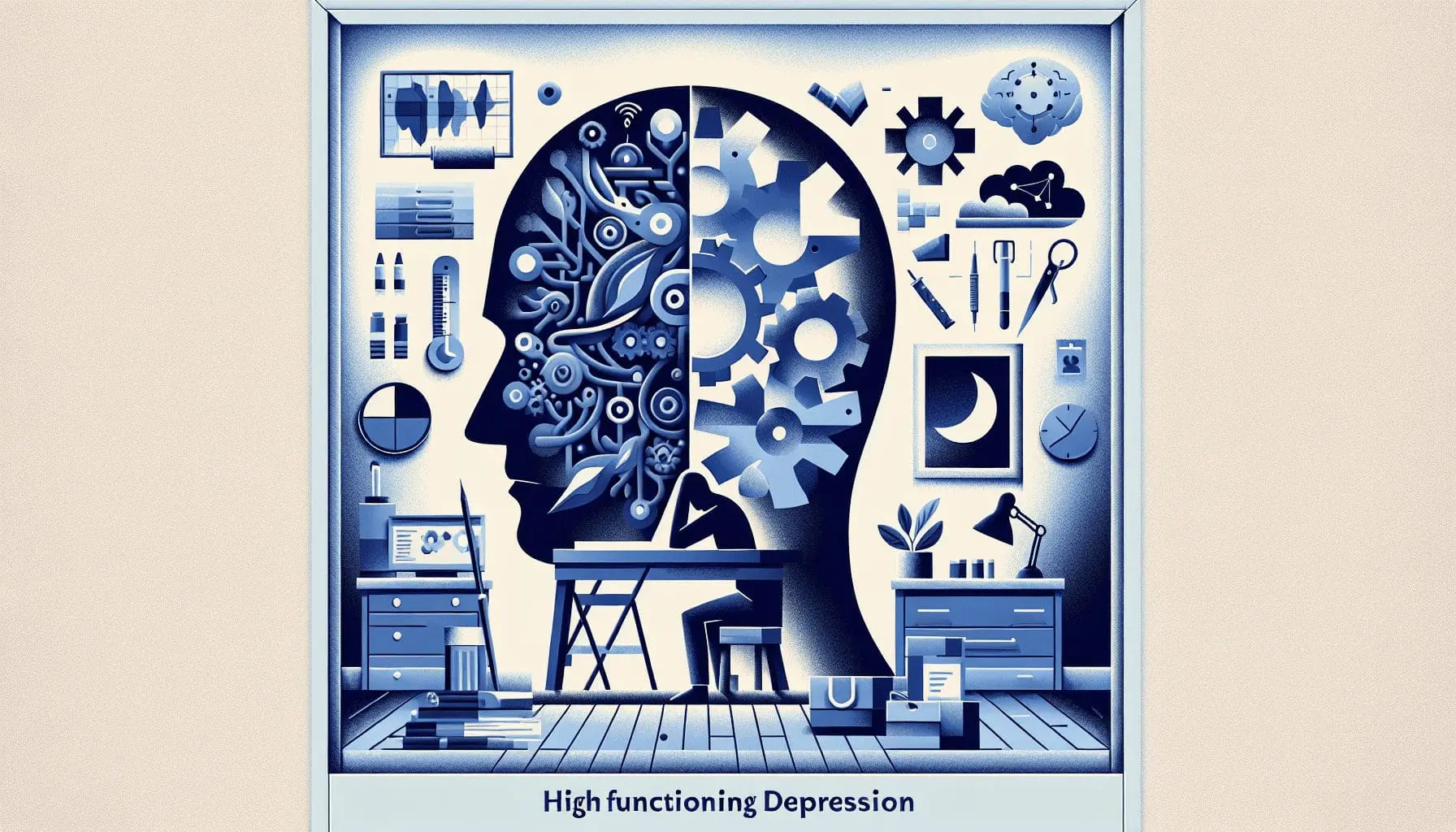
    High functioning depression is when an individual is able to carry on with their daily activities and responsibilities, despite feeling depressed. These individuals may seem to have it all together on the outside, but on the inside, they are struggling with feelings of hopelessness, emptiness, and worthlessness.

    So how can you spot high functioning depression in yourself or someone else? Here are some signs to look out for:

    1. Perfectionism: People with high functioning depression often put immense pressure on themselves to excel in all areas of their lives. They may have high standards for themselves and constantly feel like they are not meeting them.

    2. Irritability: While some people with depression may be withdrawn, those with high functioning depression may exhibit signs of irritability or anger. They may have a short fuse and react strongly to minor frustrations.

    3. Fatigue: Despite appearing to have it all together, individuals with high functioning depression may struggle with extreme fatigue. They may have trouble getting out of bed in the morning or feel drained throughout the day.

    4. Difficulty concentrating: Depression can impact a person’s ability to focus and concentrate. People with high functioning depression may have trouble keeping up with tasks or making decisions.

    5. Feelings of emptiness: Even though they may be surrounded by friends and family, those with high functioning depression may still feel a profound sense of emptiness or numbness.

    If you or someone you know is exhibiting these symptoms, it’s important to seek help. High functioning depression can be just as serious as any other form of depression, and it’s crucial to take care of your mental health. Remember, it’s okay to not be okay, and there is always help and support available. Don’t be afraid to reach out and start the journey towards healing.