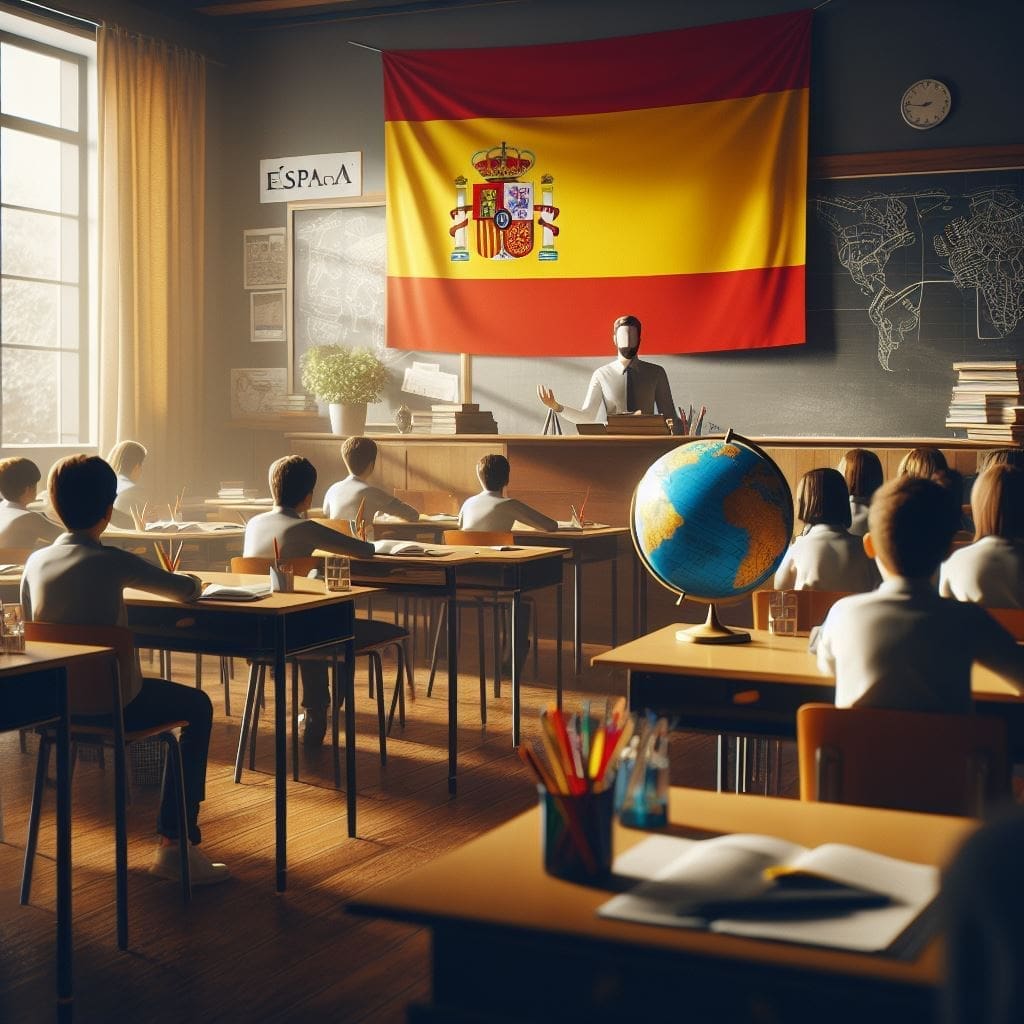

Spain is a country with a rich and complex history. From the Moorish conquests to the Spanish Civil War, there are many events that have shaped the nation into what it is today. However, despite this rich history, there are some aspects that are often overlooked or censored in school curricula.
One of the most controversial topics that often gets overlooked in Spain’s history textbooks is the Spanish Civil War. This conflict, which lasted from 1936 to 1939, pitted the left-wing Republicans against the right-wing Nationalists led by General Francisco Franco. The war with Franco’s victory and the establishment of a dictatorship that lasted until his death in 1975.
The dictatorship of Franco was a dark period in Spain’s history, marked by political repression, censorship, and human rights abuses. However, many history textbooks in Spain gloss over this period, focusing instead on the country’s achievements during his rule.
There are several reasons why Spain censors its own history in school curricula. One reason is the desire to present a more positive image of the country to its citizens and the rest of the world. By focusing on Spain’s achievements and downplaying its darker moments, the government may be trying to create a sense of national pride and unity among its citizens.
Another reason for the censorship of history in Spain’s school curricula could be to avoid potential conflicts or controversies. The Spanish Civil War is still a sensitive topic for many Spaniards, with different groups having differing opinions on the causes and consequences of the conflict. By glossing over this period of history, the government may be trying to avoid stirring up old wounds and divisions within society.
However, by censoring its own history, Spain is doing a disservice to its citizens. Understanding and learning from the mistakes of the past is crucial for a country to move forward and build a better future. By omitting important events from its history textbooks, Spain is hindering its citizens’ ability to fully grasp the complexities of their nation’s past.
It is important for Spain to reconsider its approach to teaching history in schools and to ensure that students are given a well-rounded and accurate portrayal of the country’s past. Only by confronting the darker chapters of its history can Spain truly move forward and build a more inclusive and democratic society.
Share this:

You Might Also Enjoy Reading