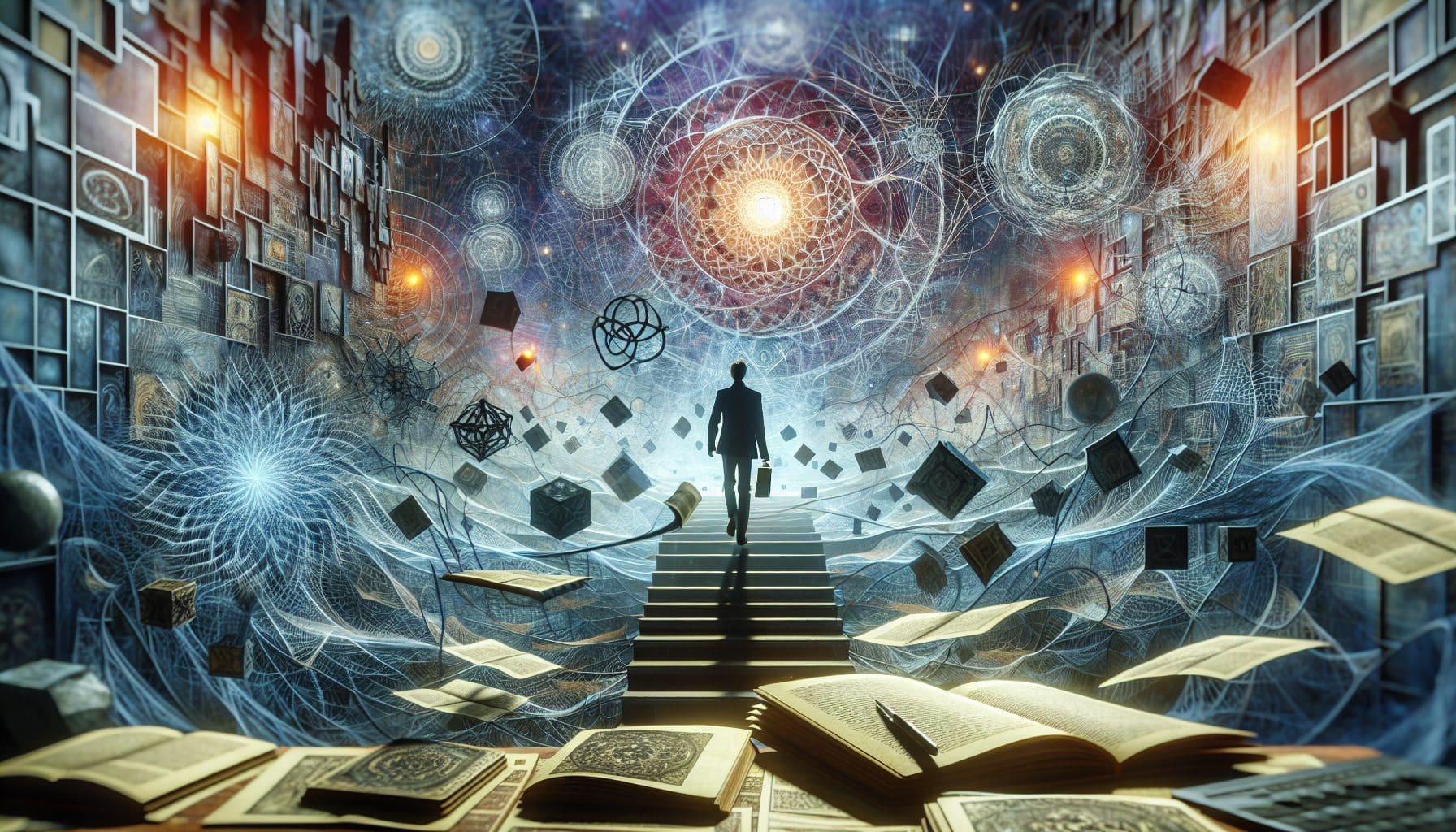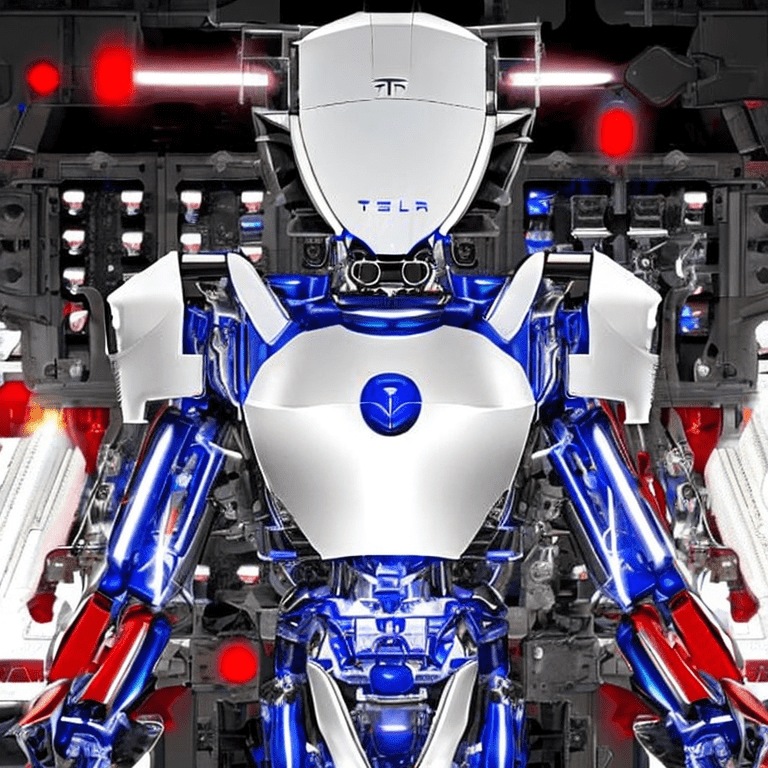


In recent years, we have witnessed a groundbreaking intersection between humans and machines – the emergence of artificial intelligence (AI). AI is no longer confined to the realm of sci-fi movies; it has permeated various aspects of our lives, including art and creativity. Today, we explore the captivating fusion of AI and human expression, where technology serves as a catalyst for innovative artistic endeavours.
1. AI as a New Tool for Artists
Artificial intelligence has become a powerful tool in the hands of artists, providing them with novel ways to express their creativity. Artists are using AI algorithms to generate innovative designs, compose music, produce striking visual arts, write poetry, and even choreograph dance routines. These advancements open up new dimensions and possibilities for artistic expression, allowing creators to push the boundaries of traditional art forms.
2. Expanding Creative Horizons
AI can empower artists by augmenting their skills and expanding their creative horizons. Machine learning algorithms can analyse vast amounts of data, study historical trends, and identify patterns. By leveraging this knowledge, artists can gain fresh insights, experiment with new ideas, and inspire unique creations. AI allows artists to explore uncharted territories, toying with abstract concepts, and infusing meaning into their work in unprecedented ways.
3. Collaborative Partnerships
One of the most exciting aspects of AI and human expression is the potential for collaboration. Artists and AI technology can work hand in hand, combining their strengths to create something truly remarkable. Artists can train AI models to recognise their style or preferences and use these models as a springboard for collaboration. This synergy enables an inspiring back-and-forth between human intuition and machine learning, nurturing a dynamic creative process that transcends the limits of individual imagination.
4. Engaging Audiences in New Ways
AI-generated art challenges our preconceived notions and invites us to engage with art in a fresh manner. The use of AI can spark curiosity and ignite discussions around the boundaries of creativity, the role of human artists, and the ethics of machines as creators. AI-created works can also captivate audiences by breaking with traditional artistic conventions and offering alternative perspectives. This engagement with AI art encourages us to explore our own relationship with technology and the changing nature of art itself.
5. The Future of AI and Human Expression
As AI technology continues to evolve, the possibilities for human expression are boundless. With AI acting as a muse, artists can delve into uncharted territories and create increasingly dynamic and immersive experiences. However, it is important to remember that AI does not replace human artists – instead, it amplifies their capabilities and includes them in a new creative dialogue.
Conclusion
Artificial intelligence has emerged as a transformative force, enabling humans to express their creativity in unprecedented ways. This fusion of AI technology and human expression offers a tantalising glimpse into the limitless possibilities of the future. By embracing AI as a partner, artists can truly push the boundaries of their creativity and forge a new path for the world of art. Let us eagerly await what unfolds as humans and machines continue their symbiotic dance of creative expression.
Share this:

You Might Also Enjoy Reading