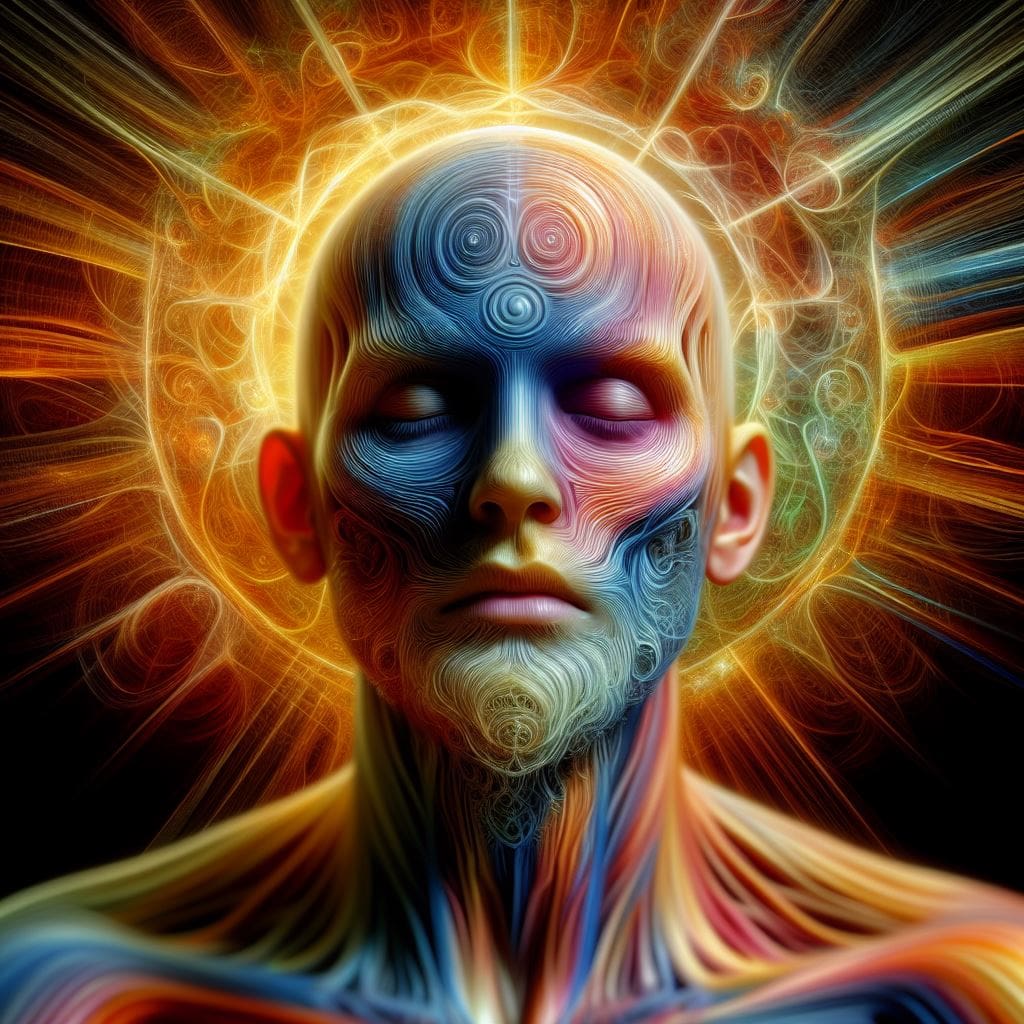
When it comes to understanding human behaviour, psychologists often turn to various theories and frameworks to help explain the complexities of the mind. One such theory that has made a significant impact in the field of psychoanalysis is the Drive Theory. Proposed by Sigmund Freud, the Drive Theory suggests that our behaviour is motivated by our biological drives and desires. In this blog post, we will explore the key ideas behind Drive Theory and how it has shaped the field of psychoanalysis.
According to Freud, humans are driven by two primary instincts or drives: the life instinct (Eros) and the death instinct (Thanatos). These drives operate on an unconscious level and play a crucial role in influencing our thoughts, emotions, and behaviour. The life instinct drives us to seek pleasure, satisfaction, and fulfilment, while the death instinct drives us to engage in destructive, aggressive, or self-destructive behaviour.
At the core of Drive Theory is the concept of the unconscious mind. According to Freud, our true desires and motives are hidden in our unconscious, and our conscious mind has limited access to them. These unconscious drives can manifest in various ways, such as dreams, slips of the tongue, or even neurotic symptoms. For example, a person with an unresolved childhood trauma may develop a phobia or experience anxiety without apparent cause.
Drive Theory also suggests that these unconscious desires can be channelled and expressed in different ways. Freud proposed the concept of sublimation, which refers to redirecting unacceptable or socially inappropriate desires into socially acceptable behaviours. For instance, someone with aggressive tendencies may channel their aggressive drives into sports or other competitive activities.
Moreover, Drive Theory emphasises the role of conflict in shaping human behaviour. Freud posited that conflicts arise between our unconscious desires and societal norms, creating tension and anxiety. For example, a person who desires power and dominance may face conflicts with their ethical values or social rules. These conflicts can lead to internal struggles, known as intrapsychic conflicts, which can manifest as anxiety, depression, or other psychological disorders.
While Drive Theory has faced criticism and evolved over time, it has nonetheless contributed significantly to the field of psychoanalysis. It initiated a broader understanding of the unconscious mind, highlighting how our unfulfilled desires and repressed thoughts can influence our behaviour. Drive Theory has opened doors for further exploration of topics such as dreams, symbols, and the interpretation of unconscious material, which have become fundamental aspects of psychoanalytic practice.
However, it is important to acknowledge that Drive Theory is not without its limitations. Critics argue that it often lacks empirical evidence and that its reliance on sexual and aggressive drives oversimplifies human behaviour. Additionally, its deterministic nature may overlook the role of conscious decision-making and individual agency.
In conclusion, Drive Theory in psychoanalysis provides valuable insights into the complex interplay between our unconscious desires and our behaviour. By understanding our biological drives and how they shape our thoughts and actions, we can gain a deeper understanding of ourselves and the people around us. While Drive Theory continues to evolve and adapt, its foundational ideas have had a lasting impact on the field of psychology and our understanding of human nature.
Share this:

You Might Also Enjoy Reading