


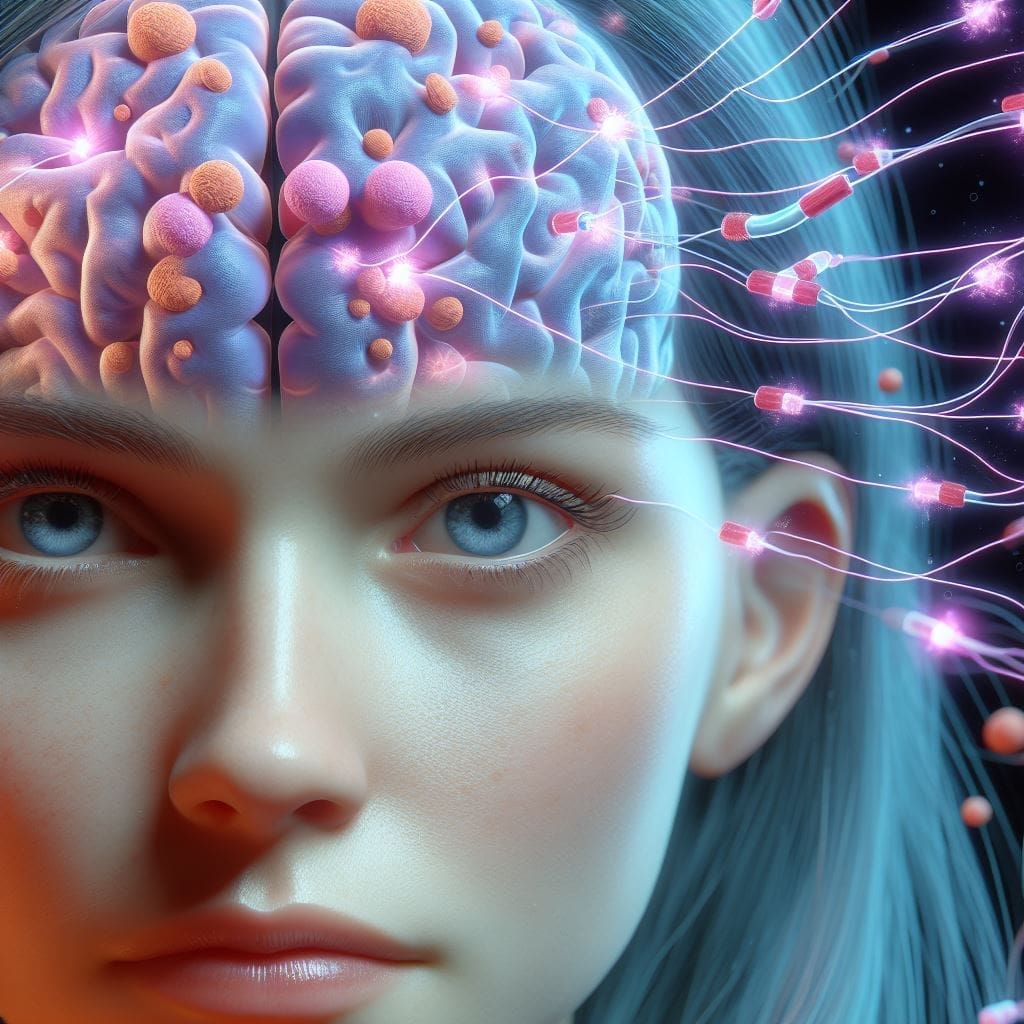
Artificial Intelligence (AI) is a field that combines elements of psychology, computer science, and engineering. Understanding the psychology of artificial intelligence can help shed light on how humans perceive and interact with AI systems. Here are a few key aspects to consider:
- Perception of AI: Humans tend to anthropomorphise AI systems, attributing human-like qualities and intentions to them. This is known as the “mind perception” of AI. Understanding this cognitive bias can help designers create AI interfaces that align with users’ expectations and foster trust.
- User Experience (UX): The psychology of AI plays a crucial role in shaping user experiences. AI systems are often designed to interact with users in a way that feels natural and intuitive. By leveraging principles of cognitive psychology, such as user-centred design and mental models, developers aim to create AI systems that are easy to use and understand.
- Trust and Ethical Considerations: Building trust in AI is essential for its acceptance and adoption. Users need to feel that AI systems are reliable and have their best interests at heart. Researchers study the factors that influence trust in AI, including transparency, explainability, and accountability, in order to address ethical concerns and improve user confidence.
- Emotional Interaction: AI systems can be designed to recognise and respond to human emotions. This field, known as affective computing, aims to create AI systems that can interpret and respond to users’ emotional states. By understanding emotional cues, AI can adapt its behaviour and provide more personalised experiences.
- Technology Adoption: Exploring the psychology behind the acceptance and adoption of AI is crucial. Research in this area aims to understand factors that influence individuals’ willingness to adopt AI technologies, such as perceived usefulness, ease of use, and social influence. Studying user attitudes and behaviours helps developers overcome barriers to AI adoption.
Understanding the psychology of AI is an ongoing multidisciplinary effort that combines insights from psychology, human-computer interaction, and AI research. As AI continues to evolve, a deeper understanding of human cognition and behaviour will be essential for building more effective and user-friendly AI systems.
Share this:

You Might Also Enjoy Reading
Borderline Personality Disorder (BPD) is a complex mental health condition…

Psychodynamic theory is a psychological approach that explores the unconscious…

Psychopathy is a psychological disorder often associated with fictional characters,…

Attachment is a fundamental aspect of human development that plays…

There are many barriers to disclosure of domestic abuse. One…

Borderline Personality Disorder (BPD) is a complex mental health condition…

Have you ever encountered someone who is completely obsessed with…

Are you someone who tends to dwell on negative outcomes,…


Psychological trauma, a profound and distressing experience that haunts individuals…

In a world filled with seemingly tangible conflicts, mysteries that…

The perpetrator's control, whether overt, coercive or psychological; impacts on…