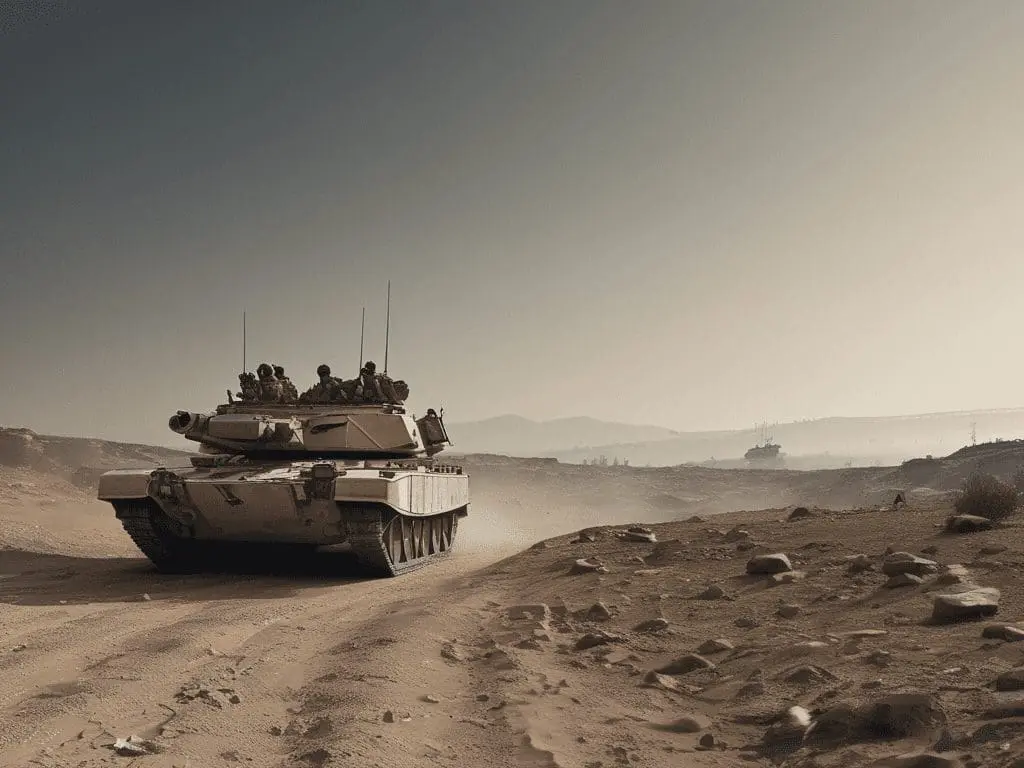
In an alarming turn of events, the world witnessed the potential outbreak of World War III as Iran launched a devastating attack on Israel in October, 2024. The conflict, which had been brewing for years, finally escalated to a full-blown war with the Iranian military firing over 200 missiles towards Israeli cities.
In response to the attack, Israel deployed its sophisticated defence system known as the Iron Dome, which is designed to intercept the majority of the incoming missiles. This advanced technology has proven critical in safeguarding civilian lives and infrastructure; however, it was notably damaged by the relentless attacks during this recent onslaught, highlighting the ongoing challenges faced by defensive operations in a sustained conflict. The quick and effective response by the Israeli military demonstrated the importance of having advanced technology and strategic planning in times of conflict, illustrating how preparedness can mitigate potential threats. Furthermore, the extent of the damage caused by Iran not only underscored the capabilities of its offensive capabilities but also revealed the insidious nature of antisemitic warfare, which seeks to undermine the security and stability of Israel through targeted aggression. The incident serves as a stark reminder of the complex geopolitical landscape and the need for continued vigilance and resilience in the face of such threats, reinforcing the significance of international cooperation in counteracting these aggressive moves.
The attack on Israel sent shockwaves throughout the Middle East, with neighbouring countries closely monitoring the situation and assessing their own security concerns. The United States, a key ally of Israel, condemned the attack and pledged support to the Israeli government in their efforts to defend their homeland. Reports suggest that whilst President Biden does not condone an attack against Iran’s nuclear facilities, he does support an attack against Iran’s oil reserves as a retaliation. Moreover, British Prime Minister- Keir Starmer- also condemned the Iranian attack, and expressed support towards Israel.
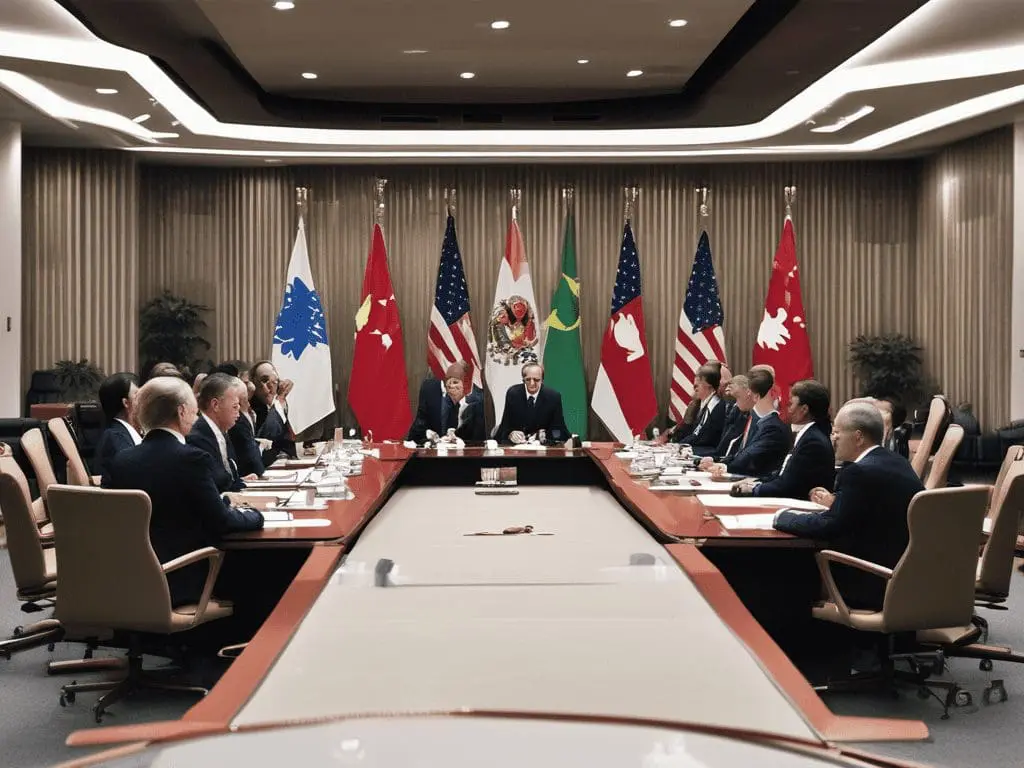
The involvement of Russia in the conflict further complicated the situation, as the country has historic ties to Iran and has been a key player in the region. Vladimir Putin defended Iran saying that the country has a right to defend itself. The international community is closely watching the developments in the Middle East, with concerns growing about the potential for further escalation and the impact on global security. Antonio Guterres- Secretary General of the United Nations- was classed as “persona non grata” by Israel due to how he did not condemn Iran’s hypersonic missile attack. This means that he is not allowed to enter the country, and if he does he might get arrested. Consequently, Guterres went ahead and condemned the attack after being banned.
As tensions continue to rise in the region, it is crucial for world leaders to exercise restraint and seek diplomatic solutions to prevent the outbreak of a full-scale global conflict. The importance of maintaining open lines of communication between nations cannot be overstated, as misunderstandings can quickly escalate into hostilities that are difficult to control. Moreover, the events of October 2024 serve as a stark reminder of the fragility of peace and the unpredictable nature of geopolitics in our world today; these occurrences highlight the need for robust international frameworks that prioritize negotiation and compromise over aggression. In an era where information spreads rapidly, the influence of media and public opinion can further complicate diplomatic efforts, making it all the more critical for leaders to act thoughtfully and with foresight.
As we continue to monitor the situation in the Middle East, let us hope for a peaceful resolution to the conflict and a swift end to the violence that has engulfed the region. It is times like these that remind us of the importance of unity, cooperation, and dialogue in order to build a more secure and peaceful world for all.
Share this:

You Might Also Enjoy Reading