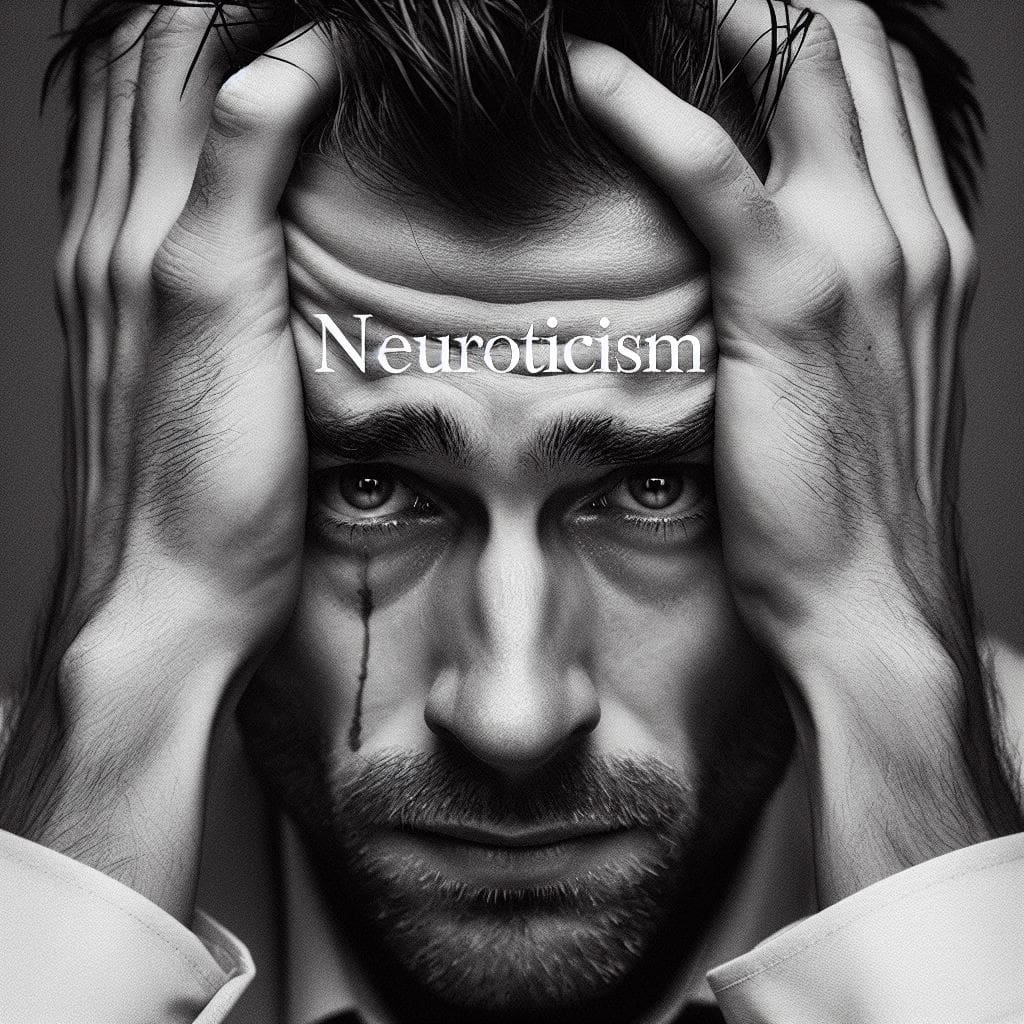


Dismissive attachment is a term used in psychology to describe a particular style of attachment that individuals may develop in relationships. People with dismissive attachment tend to avoid emotional closeness and intimacy in their relationships, often displaying a tendency to minimise their own needs and emotions. This can result in difficulties forming and maintaining strong, healthy connections with others.
Individuals with dismissive attachment may have a history of inconsistent or neglectful caregiving in their past, leading them to develop self-reliance as a coping mechanism. As a result, they may struggle to trust others, fear vulnerability, and have difficulty expressing their own emotions. While they may appear self-sufficient and independent on the surface, deep down they may long for connection and intimacy.
In relationships, those with dismissive attachment may have a tendency to distance themselves emotionally from their partners, avoid discussing feelings or needs, and struggle with providing emotional support. This can lead to conflicts and misunderstandings, as their partners may feel neglected or unimportant.
It is important to note that dismissive attachment is not a fixed trait and can be influenced by therapy, self-reflection, and personal growth. By addressing the underlying causes of their attachment style and working through any unresolved emotional issues, individuals with dismissive attachment can learn to develop more secure and fulfilling relationships.
If you or someone you know struggles with dismissive attachment, it may be helpful to seek the support of a therapist or counsellor who can provide guidance and tools for building healthier relationships. With time and effort, it is possible to overcome dismissive attachment and cultivate more fulfilling connections with others.
Share this:

You Might Also Enjoy Reading