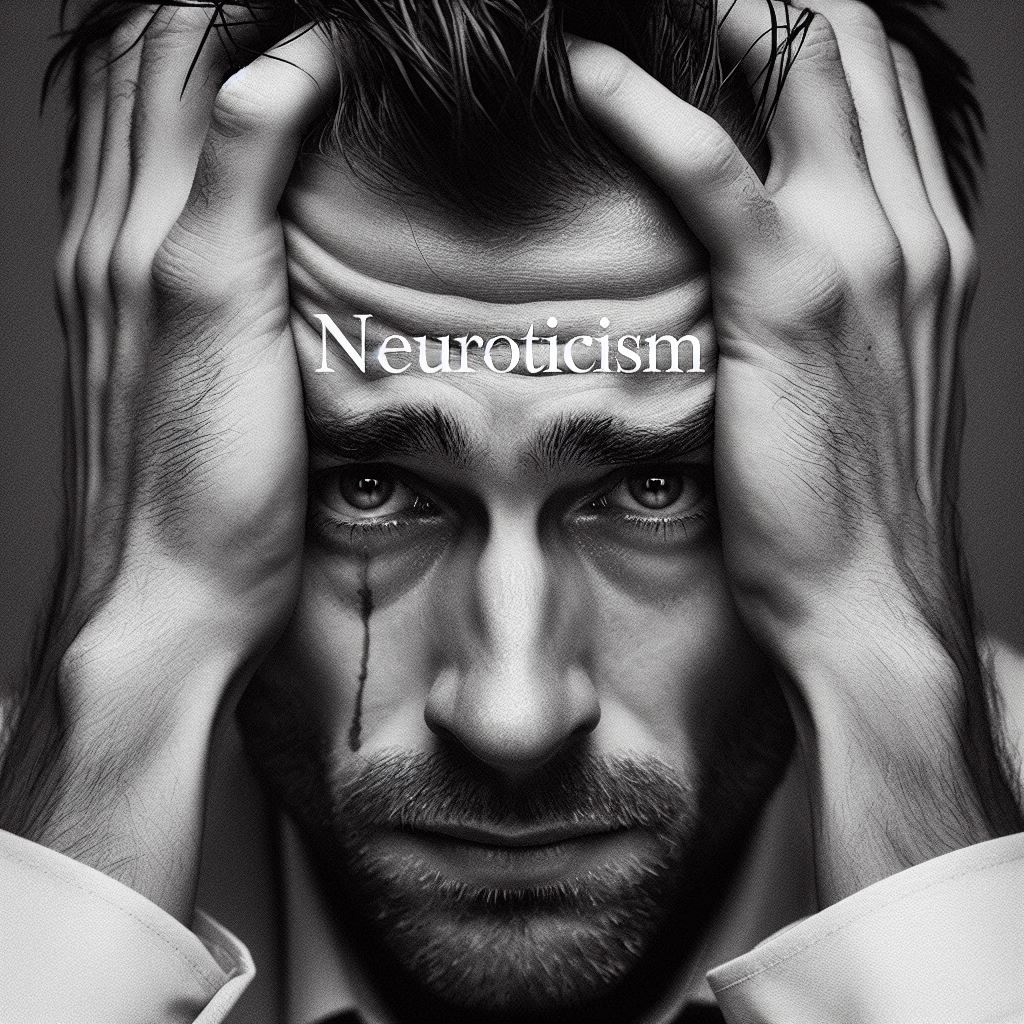

Attachment theory is a psychological concept that explores how individuals form emotional bonds with others, particularly in the context of early childhood development. One style of attachment that has received a lot of attention in recent years is preoccupied attachment.
Preoccupied attachment is characterised by a strong desire for closeness and intimacy with others, often to the point of being overly dependent on their approval and reassurance. People with preoccupied attachment may constantly seek validation from others and have a heightened fear of rejection or abandonment. This can lead to clingy and needy behaviour in relationships, as well as feelings of unease and anxiety when not in close proximity to their attachment figures.
Individuals with preoccupied attachment often have a negative self-image and may struggle with feelings of worthlessness or inadequacy. They may have difficulty asserting their own needs and boundaries in relationships, and may rely heavily on others to define their sense of self-worth.
One of the key factors that can contribute to the development of preoccupied attachment is inconsistent or unpredictable caregiving in early childhood. If a child grows up in an environment where their caregivers are sometimes responsive and nurturing, and other times neglectful or emotionally unavailable, they may develop a heightened sensitivity to rejection and abandonment, which can manifest as preoccupied attachment in adulthood.
It’s important to note that preoccupied attachment is not a fixed or permanent state, and individuals can work to develop more secure attachment styles through therapy and self-awareness. By exploring their own attachment patterns and learning to recognise and challenge maladaptive beliefs and behaviours, individuals with preoccupied attachment can begin to build healthier, more fulfilling relationships with others.
If you suspect that you or someone you know may have a preoccupied attachment style, it can be helpful to seek the support of a mental health professional who can provide guidance and tools for navigating relationships in a more secure and balanced way. Remember, it’s never too late to work on understanding and improving your attachment style, and ultimately creating more meaningful and satisfying connections with others.
Share this:

You Might Also Enjoy Reading