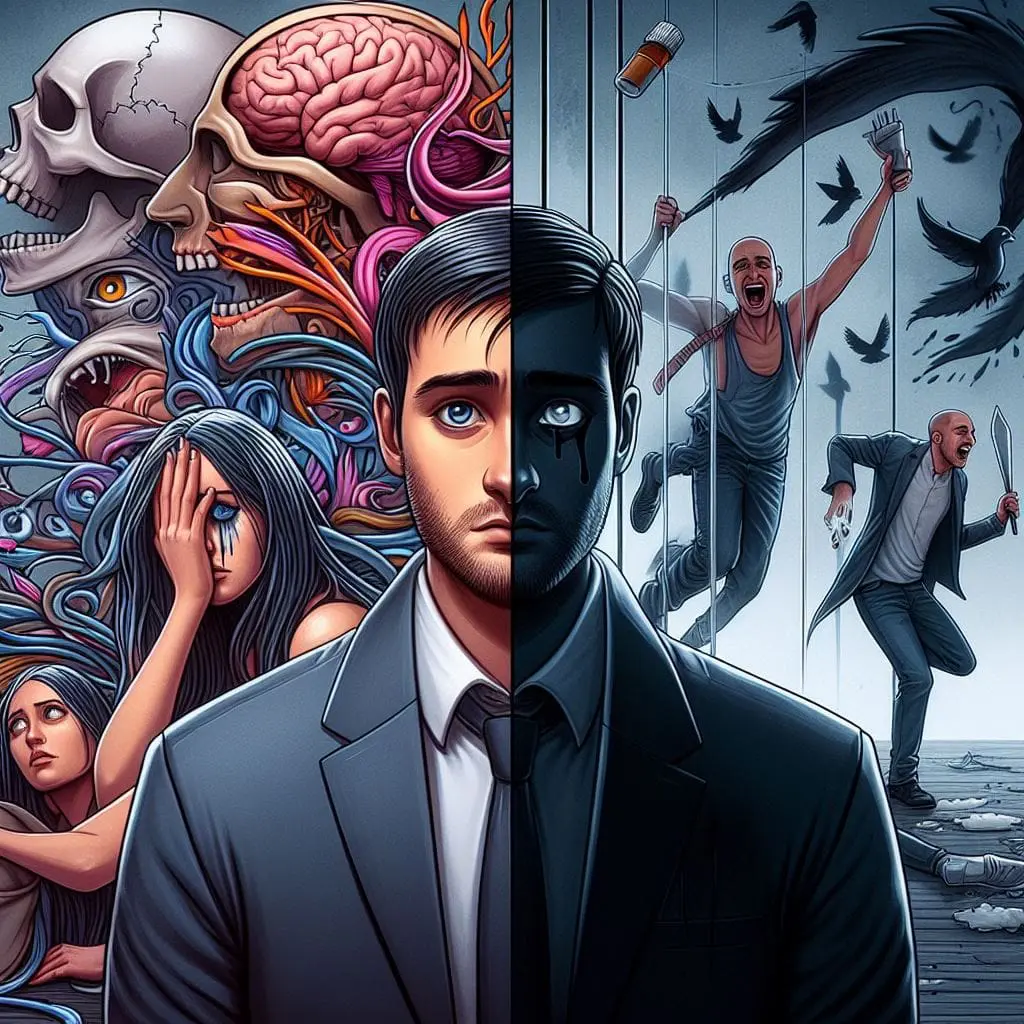
In the realm of human behaviour, we often encounter stories that illuminate the darkest aspects of the human psyche. One such disturbing reality is clinical sadism, a term coined to describe individuals who derive pleasure from inflicting pain or suffering on others, sometimes even in a clinical setting. While this topic may evoke strong emotions, it is crucial to shine a light on the behaviours, motivations, and potential consequences associated with clinical sadism.
Defining Clinical Sadism
Clinical sadism is a term that refers to a subset of individuals who exhibit sadistic tendencies. Unlike the consensual practices observed in BDSM communities, clinical sadism involves the non-consensual infliction of pain or suffering onto others. It is important to distinguish this from the healthy outlet of dominance and submission dynamics within consenting relationships. Clinical sadism revolves around a range of behaviours, often interconnected with a sadistic sexual element, and can manifest in various forms, such as emotional abuse, physical torture, or even murder.
Understanding the Motivations
Exploring the roots of clinical sadism reveals a complex interplay of psychological, environmental, and sociocultural factors. Psychologically, these individuals may have personality disorders, such as antisocial or narcissistic personality disorder, which contribute to their lack of empathy, remorse, or any sense of moral conscience. Childhood trauma, exposure to violence, or witnessing sadistic acts may also play a significant role in shaping their distorted perception of pleasure and power dynamics.
Moreover, societal influences that glorify violence, power, and dominance contribute to the reinforcement of deviant behaviours in susceptible individuals. Research also suggests possible neurological abnormalities that affect impulse control and emotional regulation, further complicating the understanding of clinical sadism.
The Impact on Victims
The consequences endured by victims of clinical sadism are nothing short of devastating. The emotional and psychological scars resulting from manipulation, abuse, and trauma can last a lifetime. Survivors often experience post-traumatic stress disorder (PTSD), depression, anxiety disorders, and other psychological and physical ailments.
Unfortunately, the damage extends beyond the immediate victims. Families, communities, and society at large are impacted by the ripple effect of these sadistic acts. Addressing clinical sadism should thus involve promoting awareness, providing support for survivors, and implementing effective preventive measures to rehabilitate individuals inclined towards this behaviour.
Addressing Clinical Sadism
Addressing clinical sadism requires a multifaceted approach involving mental health professionals, law enforcement, and the legal system. Identifying and reporting instances of abuse promptly is essential for the protection of potential victims. It is vital for society to prioritise education, early intervention, and comprehensive treatment programs for at-risk individuals who display sadistic tendencies.
Additionally, efforts must be made to challenge societal norms that glorify violence and dominance. Cultivating empathy, compassion, and respect within communities may contribute to reducing the occurrence of sadistic behaviours and promoting a safer and more equitable society.
Conclusion
Clinical sadism is a disturbing reality that sheds light on the darkest corners of human behaviour. Understanding the motivations of individuals who engage in sadistic acts, the profound impact on victims, and methods to address and prevent such behaviour are crucial steps towards promoting healing, justice, and a safer future for all. By recognising the signs, raising awareness, and fostering empathy, we can work toward eradicating the scourge of clinical sadism from our society, offering hope to survivors and potential targets alike.
Share this:

You Might Also Enjoy Reading