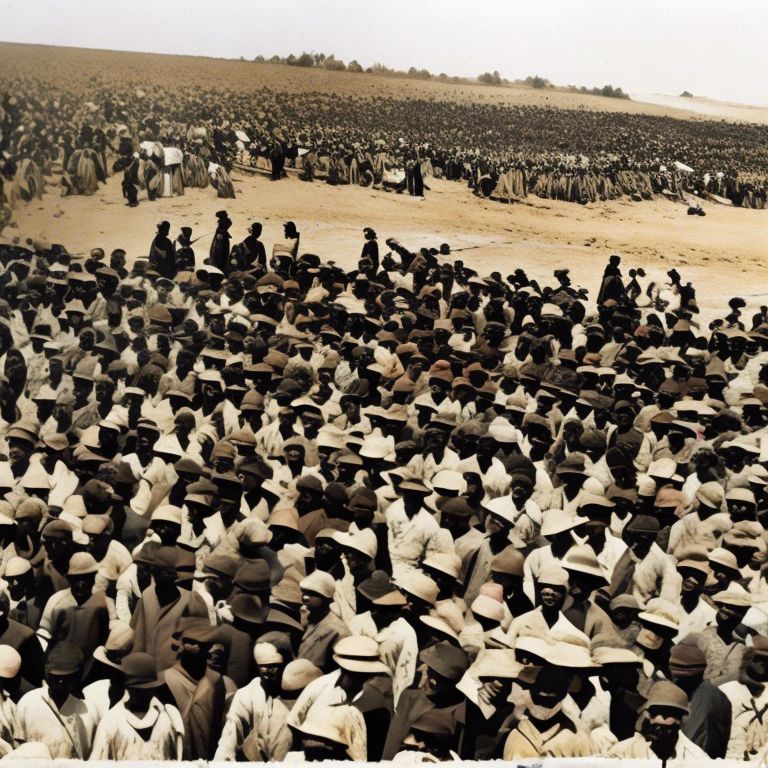

Genocide is a deeply disturbing and horrifying act, characterised by the intentional destruction of a particular ethnic, religious, or national group. Despite the world’s countless pledges to never let such atrocities happen again after the Nazi Holocaust, it is disheartening to acknowledge that genocides continue to occur even in recent history. This blog post aims to shed light on 10 tragic genocides that have taken place in the last few decades, highlighting the importance of remembrance, education, and the urgent need to prevent such atrocities from ever happening again.
1. Rwandan Genocide (1994)
One of the most infamous genocides in modern history, the Rwandan Genocide claimed the lives of nearly one million Tutsis and moderate Hutus in just 100 days. The international community’s failure to intervene swiftly remains a grim reminder of the far-reaching consequences of inaction and the importance of global cooperation.
2. Srebrenica Massacre (1995)
During the Balkan Wars, Bosnian Serb forces captured and executed more than 8,000 Bosniak (Bosnian Muslim) men and boys in Srebrenica, deemed a UN-protected safe zone. This tragic event showcased the limitations and shortcomings of peacekeeping forces’ ability to prevent genocide.
3. Darfur Genocide (2003-present)
While its intensity has subsided in recent years, the Darfur Genocide, also known as the first genocide of the 21st century, has claimed the lives of up to 400,000 people. The conflict between the Sudanese government and rebel groups led to widespread displacement, rape, and mass killings.
4. Rohingya Genocide (2017)
In Myanmar, the Rohingya population faced extreme persecution, including systematic killings, torture, and mass displacement. Thousands died as a result, prompting international condemnation for this state-sponsored genocide.
5. Bosnian Genocide (1992-1995)
During the Bosnian War, Serb forces targeted Bosniaks and Croats, committing widespread atrocities such as mass killings, rape camps, and ethnic cleansing. The International Criminal Tribunal for the former Yugoslavia has since prosecuted those responsible.
6. Israel-Gaza Genocide (2023-present)
In the aftermath of the brutal Hamas attack on the 7th October, 2023 against thousands of Israeli civilians during a music festival where rape, savage murder of babies and adults, and other things took place; Israel decided to execute a genocide in Gaza. To this day, over 20,000 Palestinians have died, including thousands of children; and many more are displaced.
7. Guatemalan Genocide (1981-1983)
During the Guatemalan Civil War, indigenous Mayans endured widespread massacres, forced disappearances, and sexual violence orchestrated by the military regime. Thousands were systematically eliminated due to their perceived association with leftist groups.
8. Syrian Civil War (2011-present)
While initially a political uprising against the Assad regime, the Syrian conflict quickly escalated into a full-scale war. War crimes, including the deliberate targeting and devastation of civilian populations, have claimed the lives of hundreds of thousands and displaced millions.
9. South Sudanese Civil War (2013-present)
Since gaining independence in 2011, South Sudan has been engulfed in a civil war marked by ethnically-driven violence, including mass killings, rape, and widespread hunger. A fragile peace agreement exists, but challenges persist in restoring stability and preventing further acts of genocide.
10. Uyghur Genocide (ongoing)
The ongoing persecution and human rights abuses against the Uyghur Muslim minority in Xinjiang, China, have been described by experts as constituting genocide. Forced internment, mass surveillance, and cultural assimilation efforts are all part of a systematic campaign targeting this marginalised community.
Conclusion
The 10 genocides discussed above serve as a stark reminder that despite our advancement as a global society, we still struggle to prevent such monstrous acts. It is crucial to amplify the voices of survivors, educate future generations, and strengthen international mechanisms to prevent, halt, and punish these heinous crimes. By learning from our past, embracing empathy, and actively working towards human rights and justice for all, we can hope to build a future where the scourge of genocide becomes a dark chapter confined to the annals of history.
Share this:

You Might Also Enjoy Reading