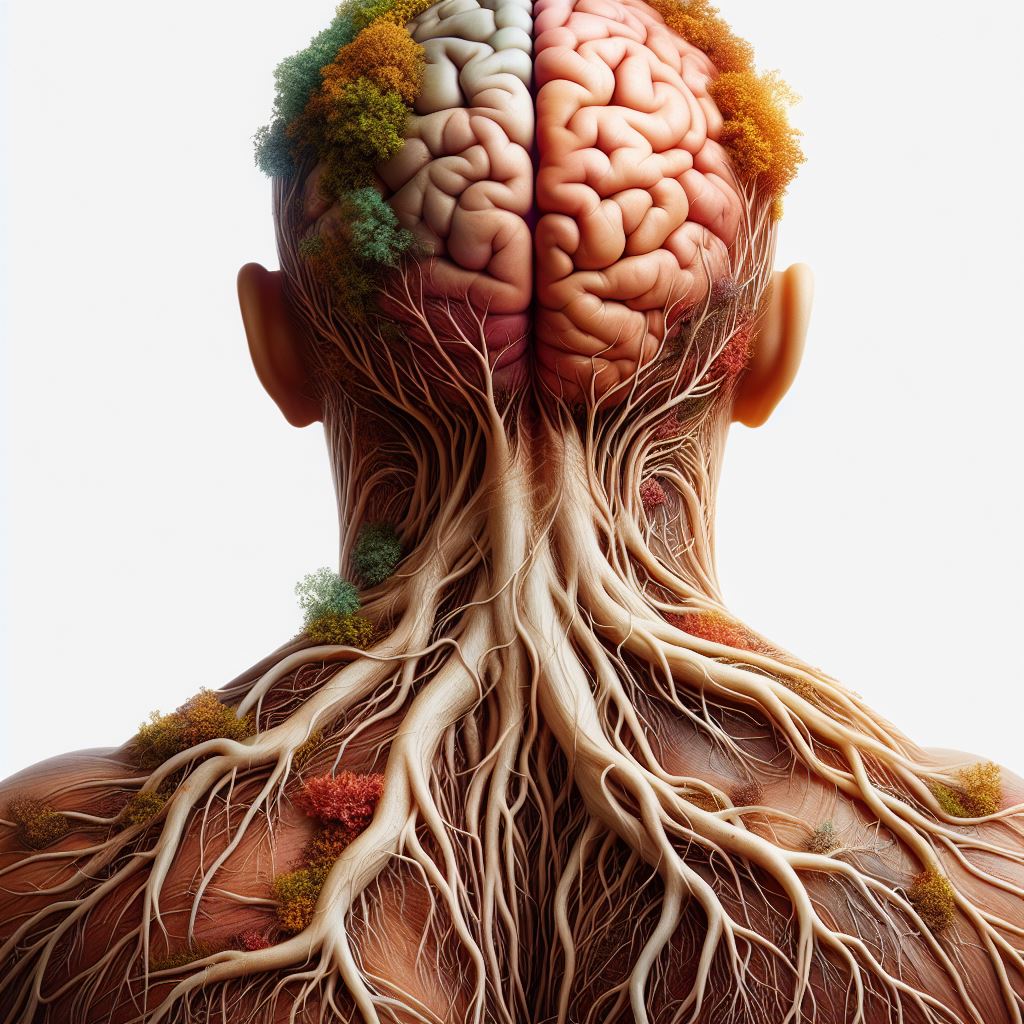
In the vast and complex realm of mental health, distinguishing between different disorders and their varying degrees of severity can often be challenging. While psychosis and neurosis have long been recognised as distinct categories, the line that divides them can sometimes appear blurred. This blog post delves into the fascinating concept of the borderline between psychosis and neurosis, exploring the characteristics, therapy approaches, and societal implications of these psychiatric conditions.

While the borderline of psychosis and neurosis poses considerable challenges, it also presents an opportunity for growth and recovery. With the proper support and treatment, individuals can learn to manage their symptoms, develop adaptive coping strategies, and regain control over their lives. With advancements in mental health research and the destigmatisation of these disorders, individuals at the borderline have a better chance of leading fulfilling and successful lives.
Defining Psychosis and Neurosis
Psychosis and neurosis are terms that were historically used to categorise and describe mental health conditions. However, in modern psychiatry, these terms have been replaced by more specific diagnoses.
Psychosis and neurosis are terms that encapsulate different types of mental illnesses, each presenting unique symptoms and challenges. Psychosis refers to a severe mental state characterised by a loss of touch with reality. Individuals experiencing psychosis often exhibit hallucinations, delusions, disorganised thoughts, and impaired functioning. Schizophrenia, bipolar disorder, and severe forms of depression with psychotic features are common examples of psychotic disorders.
On the other hand, neurosis typically represents milder, more manageable disorders such as generalised anxiety disorder, obsessive-compulsive disorder (OCD), and phobias. Neurotic disorders typically involve excessive worry, distressing thoughts, repetitive behaviours, but individuals remain in touch with reality and can exhibit functional abilities despite their struggles.
The Grey Area: Borderline Between Psychosis and Neurosis
A crucial aspect to note is that the borderline between psychosis and neurosis is not a well-defined line but rather a spectrum. This spectrum comprises conditions that share characteristics from both ends, making precise categorisation challenging. Some individuals may experience fleeting psychotic episodes within the context of neurosis, experiencing hallucinations or delusions. Similarly, psychosis may present with neurotic symptoms such as anxiety and depression. This complexity poses unique difficulties in diagnosis and treatment.
The complexity arises when these disorders overlap, creating a unique set of symptoms and challenges. The individual may exhibit elements of both psychosis and neurosis, making it difficult for professionals to diagnose and treat effectively. The symptoms can vary greatly from person to person, often requiring a comprehensive assessment to identify the specific manifestations. It is believed that it is in this spectrum that those diagnosed with Borderline Personality Disorder (BPD) reside constantly, chronically.
Understanding the Causes
The origins of psychosis and neurosis continue to be subjects of intense research. However, it is generally believed that both genetic and environmental factors play significant roles. A complex interplay between biological, psychological, and social variables contributes to the development and progression of these conditions. Advances in neuroscience have highlighted potential abnormalities in brain structure and chemistry in both psychosis and neurosis, shedding light on their shared characteristics.It is believed that people with Borderline Personality Disorder constantly live in this state between psychosis and neurosis.
Treatment and Management
Navigating the treatment options for individuals on the borderline between psychosis and neurosis can be deeply challenging. Therapeutic approaches may include a combination of medication, psychotherapy, and psychosocial interventions like cognitive-behavioural therapy (CBT). A personalised treatment plan, tailored to the individual’s specific symptoms and needs, is crucial for achieving positive outcomes.
Since the terms “psychosis” and “neurosis” are no longer widely used in contemporary psychiatric practice, it’s important to seek professional help from a mental health expert for an accurate diagnosis and appropriate treatment. They can assess your symptoms, provide a thorough evaluation, and guide you towards the most effective interventions for your specific situation. Remember, mental health conditions can vary greatly, so it’s crucial to consult a qualified professional for personalised guidance.
The manifestation of the borderline between psychosis and neurosis presents a challenge for mental health professionals. Treatment plans must be tailored to address both the psychotic and the neurotic symptoms simultaneously. Medication, such as antipsychotics or antidepressants, may be necessary to manage severe symptoms and stabilise the individual. However, psychotherapy plays a vital role in helping the person explore and understand underlying conflicts, develop coping strategies, and improve overall mental well-being.
The Importance of a Holistic Approach
In today’s fast-paced and demanding world, mental health issues have become increasingly prevalent. These disorders, though different in nature, sometimes merge to form a grey area known as the “borderline of psychosis and neurosis”. Understanding this delicate intersection is essential for therapists to provide effective treatment and support for individuals struggling with these conditions.
Society must adopt a more holistic approach towards mental health, addressing individuals on the borderline between psychosis and neurosis with compassion and understanding. Promoting mental well-being, reducing stigma, and investing in mental health infrastructure are vital to supporting those who may fall within the blurred boundaries of these disorders.
Additionally, support from friends, family, and a strong social network is crucial in managing this mental health complexity. Individuals at the borderline may struggle with social isolation due to the stigma attached to their conditions. Educating society about the realities of these disorders can help alleviate the discrimination individuals at the borderline face and encourage a more empathetic and inclusive environment.
Conclusion
The border between psychosis and neurosis is a complex and dynamic area within mental health. Understanding the overlapping symptoms and therapeutic interventions can contribute to improved support and management for individuals in this challenging space. By recognising the nuances and complexities of these disorders, we can work towards overcoming stigma and fostering a society that values and supports mental health.
Share this:

You Might Also Enjoy Reading