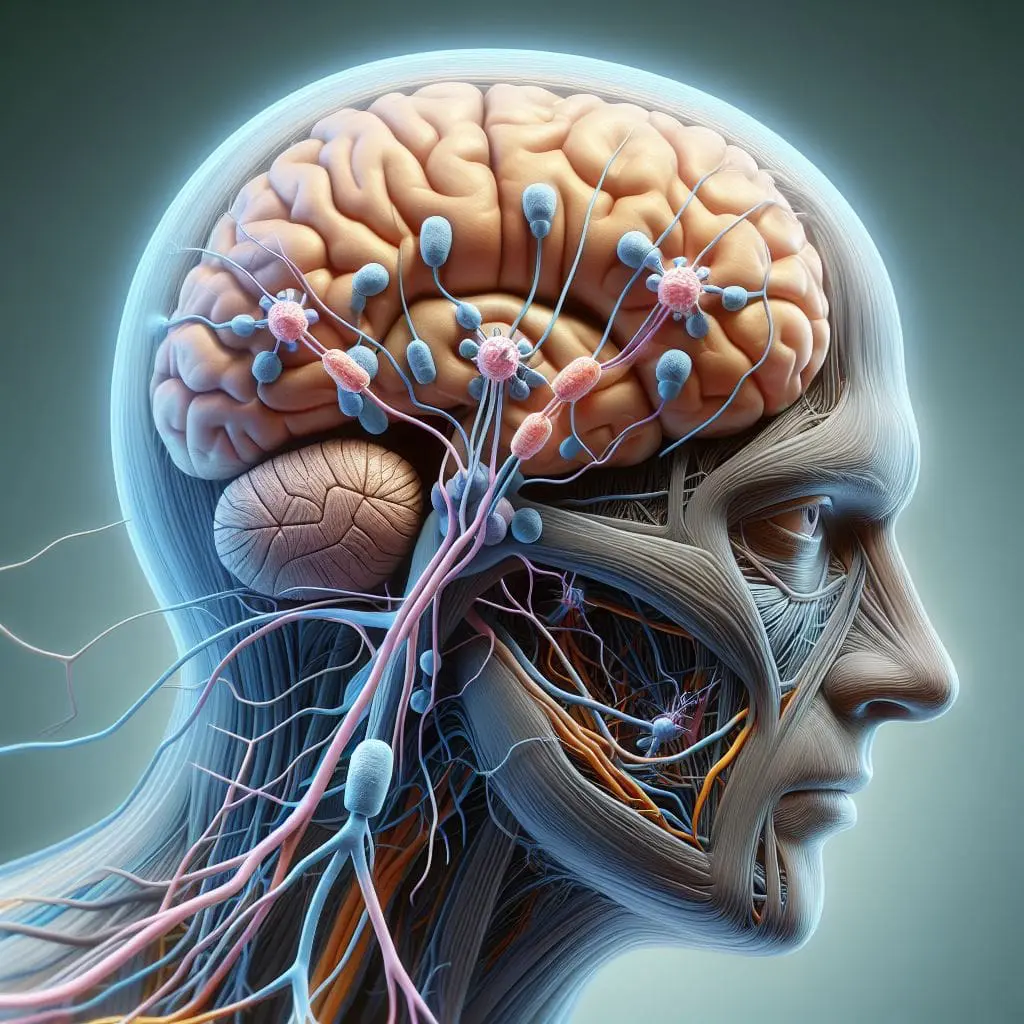
The unconscious mind has long fascinated psychologists and has become a central concept in psychoanalysis. Sigmund Freud, the father of psychoanalysis, believed that a significant portion of our thoughts, feelings, and behaviours are influenced by our unconscious. While psychoanalysis has been subject to scepticism, it still offers invaluable insights into the human psyche. In this blog post, we will explore how the practical applications of psychoanalytic concepts can help individuals gain a deeper understanding of themselves and improve their psychological well-being.
1. Self-Reflection and Self-Awareness
One practical application of psychoanalytic concepts is fostering self-reflection and self-awareness. By delving into our unconscious, we can uncover hidden motivations, desires, and conflicts that may be influencing our thoughts and behaviours without us realising it. Understanding these unconscious influences allows us to gain perspective, make better choices, and experience personal growth.
For instance, if we continually find ourselves in destructive relationships or repeatedly making poor decisions, it may be an indication of unconscious patterns that need to be explored. Psychoanalytic techniques such as dream analysis, free association, and exploring childhood experiences can aid in uncovering these hidden patterns, leading to improved self-awareness and the ability to break free from negative cycles.
2. Understanding and Transforming Defence Mechanisms
Defence mechanisms are psychological processes that protect us from anxiety and preserve our self-esteem. While they are necessary in certain situations, excessive reliance on defence mechanisms can hinder personal growth and relationships. Psychoanalysis provides valuable tools to identify and understand these defence mechanisms, allowing individuals to make conscious changes and adopt healthier coping strategies.
By exploring and addressing defence mechanisms such as denial, projection, repression, and displacement, individuals can develop healthier and more authentic ways of dealing with emotions and conflicts. Enhanced self-awareness and the ability to recognise these defence mechanisms enable individuals to break free from self-limiting patterns and achieve a more fulfilling life.
3. Resolving Unconscious Emotional Conflicts
Unresolved emotional conflicts from the past can continue to impact our lives in significant ways. Psychoanalytic therapy offers a safe and non-judgemental space to investigate these conflicts, understand their origins, and work towards resolution. By bringing repressed memories and emotions into conscious awareness, individuals can gain a fresh perspective and find greater peace and emotional well-being.
By gaining insight into these emotional conflicts and their underlying causes, individuals can begin the process of resolving them. This may involve working through difficult emotions, mourning past losses, and gaining a new perspective on their experiences. In doing so, individuals can release the emotional burden that these conflicts have carried and find greater emotional well-being.
4. Enhancing Relationships and Communication
Psychoanalytic concepts can greatly improve our understanding of interpersonal dynamics, leading to more successful relationships. By examining our unconscious expectations, fears, and desires, we can develop deeper insights into our own role in conflicts and misunderstandings. Similarly, understanding the unconscious motivations and behaviours of others can promote empathy and better communication.
Psychoanalytic concepts can help us recognise recurring patterns in relationships and shed light on unconscious biases or projections we may be imposing on others. This increased understanding enhances our ability to empathise with and relate to others, leading to more meaningful and fulfilling connections.
Conclusion
While psychoanalysis may have its detractors, its practical applications remain highly valuable in unlocking the unconscious mind and promoting psychological well-being. Through techniques such as self-reflection, understanding defence mechanisms, resolving emotional conflicts, and enhancing relationships, individuals can harness the power of psychoanalytic concepts to lead more authentic, fulfilling lives. By shedding light on the hidden aspects of our psyche, we can gain a deeper understanding of ourselves and make conscious choices that align with our true desires and aspirations.
Share this:

You Might Also Enjoy Reading