Tag: Spirituality

  • Symptoms of Spiritual Awakening

    Symptoms of Spiritual Awakening

    Advertisements

    One of the most common symptoms of spiritual awakening is a heightened sensitivity. You may find yourself becoming more attuned to the emotions and energies of others, as well as to the natural world around you. This increased sensitivity can be overwhelming at times, leading to feelings of anxiety, stress, or even physical discomfort.

    Another common symptom of spiritual awakening is a sense of disorientation or confusion. As you begin to question your beliefs, values, and experiences, you may feel uncertain about who you are and what is important to you. This can lead to feelings of existential dread or a sense of being adrift in the world.

    Spiritual awakening can also manifest in physical symptoms such as fatigue, headaches, or digestive issues. These symptoms are often a result of the energetic shifts that are taking place within your body as you align with higher frequencies of consciousness. It is important to listen to your body and give yourself the care and rest that you need during this time of transition.

    Emotionally, you may experience a rollercoaster of feelings during a spiritual awakening. You may feel intense joy and bliss one moment, only to be followed by deep sadness or anger the next. This emotional turbulence is a natural part of the awakening process as you release old patterns and beliefs that no longer serve you.

    One of the most profound symptoms of spiritual awakening is a deep sense of connection to something greater than yourself. You may have moments of spiritual insight or mystical experiences that open your heart and mind to the divine. This sense of connection can bring a deep sense of peace and fulfilment, but it can also be disorienting as you navigate the changes in your beliefs and worldview.

    If you are experiencing symptoms of spiritual awakening, it is important to seek support and guidance from others who have walked the path before you. A spiritual mentor, therapist, or support group can offer guidance and understanding as you navigate the challenges and joys of awakening. Remember that spiritual growth is a lifelong journey, and it is normal to experience ups and downs along the way.

    In conclusion, the symptoms of spiritual awakening are varied and unique to each individual. While the process can be challenging at times, it is ultimately a transformative journey towards greater self-awareness, connection, and inner peace. Embrace the symptoms of spiritual awakening as opportunities for growth and transformation, and trust that you are on the path to a more authentic and fulfilling life.

  • The Differences Between Spirit, Perispirit, and Soul

    The Differences Between Spirit, Perispirit, and Soul

    Advertisements

    First, let’s discuss the concept of spirit. Spirit is often referred to as the essence of a person, their true self . It is the part of us that is eternal and transcends physical existence. According to many spiritual teachings, spirit is what continues on after the physical body dies. It is the source of our consciousness and connects us to the divine.

    On the other hand, the perispirit is often described as the subtle body that surrounds and interpenetrates the physical body. It is sometimes referred to as the astral body or energy body. The perispirit is believed to be the bridge between the physical world and the spiritual world. It is said to contain our emotions, thoughts, and energy, and can be influenced by our experiences and actions.

    Finally, the soul is often considered the eternal aspect of a person that carries their true essence and experiences from lifetime to lifetime. The soul is said to be the individualised expression of spirit, unique to each person. It is through the soul that we learn and grow spiritually, and it is believed to be the part of us that is constantly evolving and seeking enlightenment.

    While these concepts can sometimes overlap in their definitions, understanding the distinctions between spirit, perispirit, and soul can help us navigate our spiritual journey and connect more deeply with our true selves. By exploring these concepts and how they interact within us, we can gain a greater understanding of our spiritual nature and our connection to the divine. Ultimately, recognising and nurturing these aspects of ourselves can lead to a deeper sense of purpose, fulfilment, and spiritual growth.

  • The Most Difficult Thing After Death

    The Most Difficult Thing After Death

    Spirits report that the most difficult aspect of dying is the decomposition process that the body goes through. Many spirits become ‘trapped’ in this confusing and upsetting experience. Yes, attachments transcend the physical world, and there are spiritual laws in place which intend to bring about a social order between spirit and human world. These spiritual laws have been redacted between spirits and humans such as Allan Kardec; but as humanity is evolving into a more spiritually conscious ecosystem, it is proper to deter any outdated laws which could further create confusion.

    According to the opinion of the ignorant, science works miracles every day. That is why, in ancient times, those who knew more than the common people were considered sorcerers; and since at that time it was believed that all superhuman science came from the devil, they were burned. Today we are much more civilised, so we are content to send them to institutions for the insane (Kardec, El Libro De Los Mediums, 2009 ).

  • Exploring Colombian Brujeria: From Traditional Shamans to Modern Spells

    Exploring Colombian Brujeria: From Traditional Shamans to Modern Spells

    Advertisements

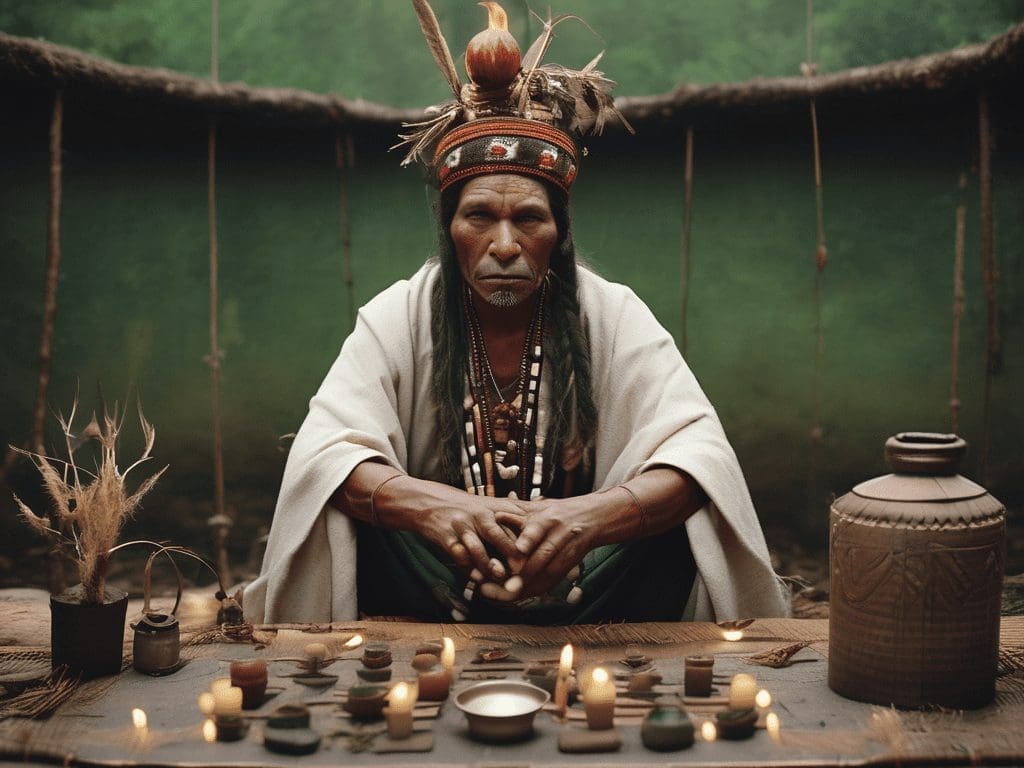
    Colombia, with its rich indigenous traditions, has a deep-rooted connection to spirituality and the supernatural. Many Colombians still seek out the services of brujos and brujas (witches) for healing, guidance, and protection. These traditional healers often use herbs, rituals, and spells to help their clients navigate through life’s challenges.

    However, there is also a darker side to brujeria in Colombia. Some practitioners use their powers for malicious purposes, such as casting spells to harm others or gain wealth and power. These dark witches, known as brujos negros, are feared and often shunned by society.

    In recent years, there has been a resurgence of interest in brujeria in Colombia, fuelled in part by the popularity of shows and movies featuring witches and magic. Modern practitioners of brujeria have adapted traditional practices to suit contemporary lifestyles, offering services such as love spells, prosperity rituals, and protection charms.

    Despite the ongoing stigma surrounding brujeria, many Colombians continue to seek out the services of witches and healers for guidance and support. Whether seeking a solution to a problem or simply looking for spiritual guidance, brujeria remains an important part of Colombian culture and heritage.

    In conclusion, brujeria in Colombia is a complex and multifaceted phenomenon that reflects the country’s rich spiritual traditions and cultural diversity. Whether practised for healing, harm, or simply out of curiosity, witchcraft continues to play a significant role in Colombian society. As long as there are people seeking answers and solutions to life’s challenges, brujeria will continue to thrive in Colombia.

  • Allan Kardec: Key Theories

    Allan Kardec: Key Theories

    Advertisements

    One of the key theories proposed by Allan Kardec is the idea of reincarnation. According to Kardec, the soul is eternal and goes through a cycle of multiple lives in different bodies in order to learn and grow spiritually . This belief in reincarnation is central to the Spiritist belief system and is a key aspect of understanding the purpose of life and the process of evolution of the soul.

    Another central theory put forth by Kardec is the idea of the spirit world and the existence of spirits who have passed on to the afterlife. Kardec believed that communication with these spirits is possible through mediums who have the ability to connect with the spiritual realm. This belief in communication with spirits has led to the development of practices such as mediumship and séances in the Spiritist community.

    Kardec also emphasised the importance of moral and ethical development in spiritual growth. He believed that humans have a responsibility to cultivate virtues such as love, compassion, and humility in order to progress on the spiritual path. Kardec’s teachings emphasise the importance of living a life of service to others and following a code of conduct that aligns with spiritual values.

    Overall, Allan Kardec’s key theories have had a lasting impact on the spiritual community and continue to influence spiritual seekers around the world. His emphasis on reincarnation, communication with spirits, and ethical development have inspired countless individuals to explore the deeper dimensions of life and the mysteries of the afterlife. Allan Kardec’s teachings remind us of the potential for personal growth and spiritual evolution that exists within each of us, and encourage us to strive towards a higher state of consciousness and understanding.

  • Compelling Reasons to Believe God Exists: Design, Morality, and Comfort

    Compelling Reasons to Believe God Exists: Design, Morality, and Comfort

    Advertisements

    One of the most common arguments for the existence of God is the design argument. This argument suggests that the complexity and order of the universe, as well as the intricate details of living organisms, point towards an intelligent designer. The idea that the universe simply came into being by random chance seems implausible when considering the intricacy and precision of the natural world.

    Another argument for the existence of God is the moral argument. Humans possess a sense of morality and conscience, which guide our actions and decisions. This moral compass suggests that there is a higher source of goodness and justice that governs our behaviour. Without a divine being to set the standard for what is right and wrong, morality becomes subjective and arbitrary.

    Additionally, the concept of God provides comfort and hope to many people in times of difficulty and suffering. Believers find solace in the idea that there is a higher power watching over them and guiding them through life’s challenges. The belief in God can also offer a sense of purpose and meaning to our existence, as it provides a framework for understanding our place in the world.

    While the existence of God cannot be proven through empirical evidence, the belief in a higher power offers solace, guidance, and purpose to believers. Whether through the design of the universe, the existence of morality, or the comfort and hope provided in times of struggle, there are compelling reasons to believe that God does indeed exist. Ultimately, the existence of God is a deeply personal and individual belief. Whether or not one chooses to believe in a higher power is a decision that each person must make for themselves. But for many, the belief in God provides a sense of comfort, purpose, and hope in an uncertain and often challenging world.

  • The Spiritual Significance of the Pineal Gland: Exploring Its Role in Higher Consciousness

    The Spiritual Significance of the Pineal Gland: Exploring Its Role in Higher Consciousness

    Advertisements

    In many spiritual traditions, the pineal gland is believed to be a gateway to higher consciousness and spiritual awakening. The gland is often referred to as the third eye because it is said to be the seat of intuition and psychic abilities. It is believed that through meditation, visualisation, and other spiritual practices, one can activate and open the pineal gland, leading to heightened spiritual experiences and a deeper connection to the universe.

    In ancient Eastern spiritual traditions such as Hinduism and Buddhism, the pineal gland is seen as the centre of the chakra system, responsible for the integration of body, mind, and spirit. Yogis and meditation practitioners often focus on activating the pineal gland in order to achieve higher states of consciousness and enlightenment.

    In the Western esoteric tradition, the pineal gland is associated with the concept of the third eye and is believed to be the source of psychic abilities and spiritual insight. In the writings of mystics and philosophers such as Rene Descartes and Rudolf Steiner, the pineal gland is seen as a link between the physical and spiritual realms.

    Recent scientific research has also shed light on the role of the pineal gland in spiritual experiences. Studies have shown that the pineal gland produces and releases DMT (dimethyltryptamine), a powerful hallucinogenic compound that is believed to be responsible for mystical experiences and visions. This has led some researchers to speculate that the pineal gland may play a key role in facilitating spiritual and transcendent experiences.

    While the pineal gland’s role in spirituality is still largely shrouded in mystery, many people continue to explore and uncover its potential as a gateway to higher consciousness and spiritual growth. Whether through meditation, yoga, or other spiritual practices, the pineal gland remains a fascinating and mystical aspect of human consciousness that continues to captivate and inspire seekers on the spiritual path.