Tag: Sex

  • The Importance of Consent, Boundaries, and Sexual Wellbeing for a Healthy Intimate Life

    The Importance of Consent, Boundaries, and Sexual Wellbeing for a Healthy Intimate Life

    Advertisements

    Understanding Consent

    Consent is an active, enthusiastic, and ongoing agreement between all parties involved in any sexual encounter. It is important to remember that consent should be voluntary and given freely without any coercion or manipulation. It is not only a legal obligation but also an ethical responsibility to seek and obtain consent.

    Consent cannot be assumed or implied; it must be explicitly communicated. Verbal communication is the most effective way to ensure complete understanding. Clear and open dialogue about boundaries, desires, and limitations fosters an environment of trust, openness, and mutual respect.

    Establishing and Respecting Boundaries

    Boundaries are personal limits that define what makes an individual feel comfortable or uncomfortable in any given situation. These boundaries may vary from person to person and can change over time. Establishing and respecting boundaries is crucial in creating a safe and healthy environment for both partners involved.

    Discussing boundaries openly and honestly allows individuals to express their needs, desires, and limitations without fear of judgement or rejection. Having an awareness of each other’s boundaries promotes mutual trust and understanding. It allows partners to navigate the complexities of an intimate relationship without crossing any lines that could otherwise lead to discomfort, trauma, or emotional distress.

    Promoting Sexual Wellbeing

    Sexual wellbeing encompasses physical, emotional, and mental aspects of one’s sexual life. It goes beyond just the act itself, focusing on maintaining a positive and healthy relationship with one’s sexuality . Sexual wellbeing requires self-awareness, self-acceptance, and the ability to openly communicate with one’s partner(s).

    Taking care of one’s sexual wellbeing involves regular check-ins with oneself and one’s partner(s) to ensure that all parties are satisfied with the level of intimacy, respect, and pleasure within the relationship. Prioritising sexual health, practising safe interventions, and addressing any concerns promptly also contributes to overall sexual wellbeing.

    Final Thoughts

    By actively integrating consent, establishing and respecting boundaries, and prioritising sexual wellbeing, individuals and couples can cultivate healthy, fulfilling, and mutually satisfying intimate relationships. Emphasising the significance of these qualities not only safeguards against potential harm but also helps build stronger connections and enhances overall emotional and physical intimacy.

    Open, honest, and ongoing communication is key to achieving and maintaining these vital elements. Remember, consent and boundaries are ever-evolving, requiring continuous checks and reassessments in order to adapt to the changing dynamics of any relationship. Ultimately, by prioritising consent, boundaries, and sexual wellbeing, we can create a more supportive and respectful society that celebrates healthy, consensual, and pleasurable intimate experiences for all.

    Advertisements
  • Exploring Common Fears in Sex: Removing Stigma and Cultivating Confidence

    Exploring Common Fears in Sex: Removing Stigma and Cultivating Confidence

    Advertisements

    1. Fear of Performance

    One common fear revolves around the pressure to perform and satisfy a partner adequately. Many individuals worry about not meeting societal expectations, achieving orgasm, or demonstrating their skills in bed. It’s crucial to remember that sexual experiences are highly personal, driven by communication, openness, and mutual consent. By emphasising pleasure and emotional connection instead of performance, we can alleviate this fear and cultivate a more fulfilling sexual life.

    2. Fear of Intimacy

    Intimacy involves vulnerability, emotional connection, and trust. Some individuals fear the emotional exposure that comes with intimacy and may struggle to let their guard down during sexual encounters. Overcoming the fear of intimacy requires open communication, building trust with your partner, and setting boundaries that ensure you feel safe and comfortable throughout the experience.

    3. Fear of Rejection

    Sexual rejection is another common fear that can affect both individuals and couples. This fear often stems from concerns about body image, sexual desires, or past experiences. Addressing this fear involves promoting open dialogue about desires, setting realistic expectations, and embracing self-acceptance. Remember that sexuality is diverse, and different people have varied preferences.

    4. Fear of Pain

    For some, the prospect of sex can trigger fears surrounding physical discomfort or pain. This fear might arise from past experiences, concerns about size, or anxiety about penetration. It is important to remember that pain-free sex is possible when proper communication, relaxation, and consent are established. Educating oneself about anatomy, exploring different positions, and using lubrication can all contribute to addressing this fear.

    5. Fear of Sexually Transmitted Infections (STIs) and Pregnancy

    Concerns about sexual health and the potential risks associated with sex are valid fears. However, they should not prevent us from enjoying a fulfilling sexual life. By prioritising open communication, practising safe sex methods (such as condom use and regular STI screenings), and exploring reliable contraceptive options, we can mitigate these fears and take control of our sexual health.

    Conclusion

    Sexual fears and anxieties are common and can arise from various sources. However, by creating a safe and non-judgemental space for open communication, embracing education about sexual health, and prioritising pleasure over performance, we can overcome these fears and develop a healthy, empowered approach to sex. Remember, everyone’s sexual journey is unique, and addressing these fears is an essential step toward experiencing satisfying, pleasurable, and meaningful encounters.

    Advertisements
  • The Intersection of Sex and Mental Health: Breaking the Silence

    The Intersection of Sex and Mental Health: Breaking the Silence

    Advertisements

    1. The Impact of Mental Health on Sexual Well-being

    Living with mental health conditions such as depression, anxiety, or trauma can significantly affect an individual’s sexual well-being. Feelings of low self-esteem, lack of energy, diminished libido, and difficulties with intimacy are just a few examples of how mental health challenges can manifest in the sexual realm. Acknowledging and addressing these issues is crucial to ensuring a healthy and satisfying sex life.

    2. The Role of Sex in Mental Health

    Likewise, a fulfilling sex life can positively contribute to mental health. Sexual intimacy can bring joy, stress relief, and a sense of connection with our partners. Engaging in regular sexual activities is known to release endorphins, the “feel-good” hormones that help reduce stress and feelings of anxiety. It is important to recognise the positive impact that sexual experiences can have on overall well-being, even for those facing mental health struggles.

    3. The Stigma Surrounding Sex and Mental Health

    Sadly, the intersection of sex and mental health often carries a heavy burden of societal stigma. Discussions surrounding these topics may be met with discomfort, judgement, or even silence. This stigma can exacerbate feelings of shame or isolation, discouraging individuals from seeking help or having open dialogues with their healthcare providers or partners. We must strive to break these stereotypes and foster an environment where sex and mental health discussions are approached with empathy and understanding.

    4. Seeking Support

    If you or a loved one are grappling with the intersection of sex and mental health, it is vital to seek out appropriate support. Mental health professionals, such as therapists or psychologists, are equipped to address both mental health concerns and sexual well-being, providing guidance and promoting self-acceptance. Additionally, speaking openly with a trusted partner, friend, or support group about these challenges can provide a valuable network of understanding and empathy.

    5. Promoting Holistic Approaches

    Society must embrace a more holistic approach to sexual and mental health. Investing in comprehensive sex education programs that address the emotional, psychological, and physical aspects of sex can empower individuals to develop healthier attitudes and behaviours. It is also crucial for healthcare providers to engage in open and non-judgemental conversations with their patients, encouraging discussions about sex and mental health as integral components of overall wellness.

    Conclusion

    The intersection of sex and mental health is a complex and nuanced aspect of human experiences and relationships. Acknowledging and addressing this connection is vital for fostering healthier attitudes towards sexuality, promoting self-acceptance, and supporting individuals facing mental health issues. Breaking the silence surrounding this intersection allows for open conversations, reduces stigma, and ultimately fosters an environment of compassion and understanding in our collective journey towards improved sexual and mental well-being.

    Advertisements
  • Debunking Myths About Sex: Unlocking the Truth for a Healthier Perspective

    Debunking Myths About Sex: Unlocking the Truth for a Healthier Perspective

    1. Myth: The perfect sexual encounter mirrors what is portrayed in pornography.

    Reality: Contrary to what mainstream pornography portrays, the reality of sex is far from the exaggerated, scripted performances found in adult films. Pornography is an entertainment industry, built on unrealistic depictions of sex acts aimed at maximising visual appeal. In reality, sex is a unique and complex experience that varies between individuals and encounters. Fostering open communication, consent, and understanding our partner’s needs are key to establishing fulfilling sexual connections.

    2. Myth: You should always reach orgasm to consider it a successful sexual experience.

    Reality: While orgasms can be a pleasurable part of sexual encounters, they should not be considered the sole measure of sexual satisfaction. Intimacy, connection, and pleasure extend beyond the culmination of orgasm. Each person’s sexual response is unique, and the emphasis should be on mutual pleasure, emotional connection, and exploring individual desires rather than solely focusing on attaining the climax.

    3. Myth: Men should be ready for sex at any given moment.

    Reality: The stereotype that men are always “ready to go” fuels unfair expectations regarding male sexuality. The truth is that sexual desire and arousal can vary greatly among individuals, regardless of gender. Factors like stress, mental health, and physical well-being can affect libido. Acknowledging these variations promotes a healthier understanding of sexual desire, ensuring that both partners’ needs are met through open communication and empathy.

    4. Myth: Sex is only for the young and physically fit.

    Reality: Sexual desire and capability extend well beyond youth and physical fitness. Ageing, disability, and chronic health conditions may indeed require adaptation and adjustments, but they should not hinder one’s ability to engage in satisfying sexual experiences. Understanding that intimacy and sexual connection are lifelong pursuits rooted in emotional bonds and communication allows us to debunk the myth that sex is exclusively reserved for the young and physically able.

    5. Myth: Discussing sexual preferences and boundaries ruins the mood.

    Reality: Open and honest communication about sexual preferences, boundaries, and consent is crucial for fostering healthy and pleasurable sexual experiences. Such conversations contribute to mutual understanding, build trust, and create an avenue for exploration, ensuring that all parties involved feel safe, respected, and satisfied. In reality, discussing these elements establishes a foundation for more fulfilling and enjoyable intimate moments.

    Conclusion

    Debunking myths about sex is essential for cultivating a healthy understanding and positive attitudes towards this crucial aspect of human life. Breaking down these misconceptions allows us to embrace our sexuality with confidence, openness, and respect for both ourselves and our partners. By dispelling these myths, we pave the way for more fulfilling, satisfying, and balanced sexual experiences, free from the pressure and expectations perpetuated by societal narratives. Let us commit to educating ourselves and others to overcome the stigma and foster a culture of sexual inclusivity and well-being.

  • Narcissistic Libido: A Closer Look into Self-Centred Sexual Desires

    Narcissistic Libido: A Closer Look into Self-Centred Sexual Desires

    Advertisements

    Understanding the Narcissistic Libido

    In essence, individuals with a narcissistic libido view sex as a means to boost their own ego, rather than as a genuine expression of intimacy and emotional connection. Their focus tends to be solely on their own desires and pleasure, with little regard for their partner’s needs or consent. Such behaviour can manifest in various ways, including a lack of empathy, objectification, and the constant need for validation and admiration.

    Causes and Influencing Factors

    Several factors contribute to the development of a narcissistic libido. First and foremost, it may originate from deep-rooted insecurities or underlying narcissistic personality disorders. These individuals often have an inflated sense of self-worth and a constant desire for validation, which may lead them to prioritise their own sexual desires above anything else.

    Moreover, societal influences and the prevalence of self-centredness in modern culture can contribute to the formation of a narcissistic libido. Media portrayal of sex as a superficial act geared towards personal pleasure can create unrealistic expectations and reinforce self-centred behaviours.

    Potential Effects

    The effects of a narcissistic libido can be far-reaching, impacting both individuals and relationships. For those with the libido, they may experience short-lived gratification but ultimately find it difficult to form meaningful, long-lasting connections. Their self-centred approach may cause emotional harm to their partners, leading to feelings of neglect, rejection, and dissatisfaction.

    In turn, the partner of an individual with a narcissistic libido may endure emotional distress, as their own needs and desires are consistently disregarded. This can create a toxic dynamic within the relationship, eroding trust and intimacy over time.

    Addressing and Managing a Narcissistic Libido

    If you recognise aspects of a narcissistic libido within yourself or your partner, it is important to seek ways to address and manage these behaviours. Professional therapy or counselling can provide a safe space to explore the underlying causes and work towards healthier sexual and emotional dynamics.

    Open communication, empathy, and a willingness to consider and prioritise your partner’s needs are crucial steps towards restoring balance in a relationship affected by a narcissistic libido. It may also be beneficial to cultivate self-awareness and focus on developing a deeper understanding of intimacy and emotional connection.

    Conclusion

    The concept of a narcissistic libido sheds light on a self-centred and often damaging approach to sexuality. It is essential to recognise and address these behaviours to foster healthier relationships and create more fulfilling sexual experiences. By maintaining open communication, practising empathy, and seeking professional support, individuals impacted by a narcissistic libido can embark on a journey towards a more balanced view of sex and intimacy.

  • The Psychology of Desire: Unveiling the Secrets of our Deepest Drives

    The Psychology of Desire: Unveiling the Secrets of our Deepest Drives

    Understanding the Nature of Desire

    Desire can be described as a powerful force that compels us to seek out or pursue certain goals , objects, or experiences. It is often driven by an intense emotional longing or a need for personal fulfilment. As humans, we possess multifaceted desires that can be materialistic, emotional, or intellectual in nature, encompassing a range of areas such as ambition, love, social status, power, or even self-actualisation.

    The Role of Unsatisfied Needs

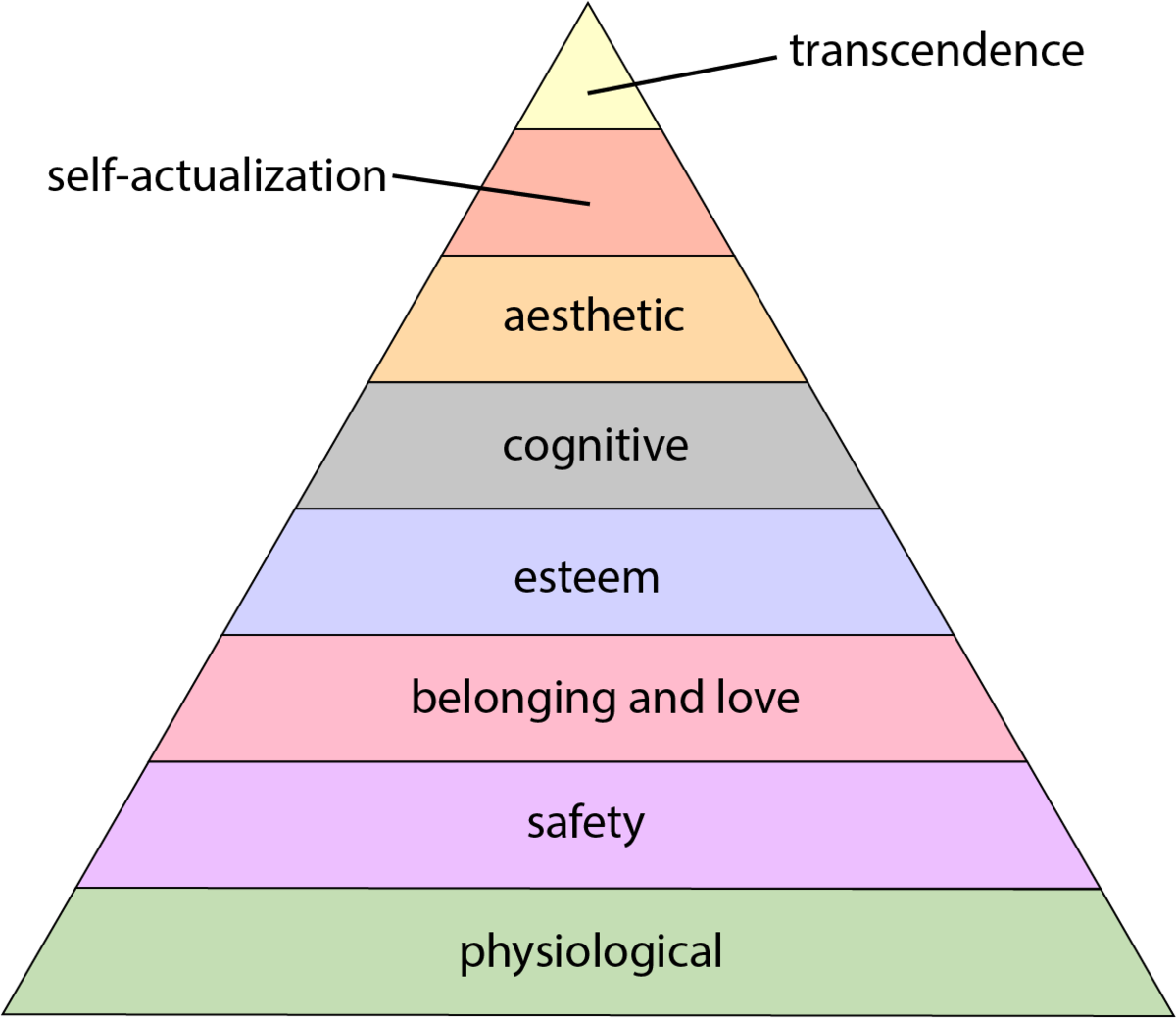
    At the core of desire lies our unmet needs. According to Abraham Maslow’s Hierarchy of Needs, human motivation is structured in a pyramid, with basic physiological needs at the bottom, safety, love, esteem, and self-actualisation occupying higher tiers. Desire arises when we experience a discrepancy between our current state and the fulfilment of these needs. It fuels our pursuit to close this gap and ultimately attain a state of satisfaction and contentment.

    Influence of Culture and Social Conditioning

    Our desires are significantly shaped by cultural and societal influences. From an early age, we absorb a set of values, norms, and expectations that contribute to our sense of what is desirable. For example, media depictions, advertisements, and peer pressure can influence our desires for certain products or lifestyles. Understanding this influence allows us to critically evaluate our desires and distinguish between authentic aspirations and external programming.

    The Role of Emotions in Desire

    Emotions play a vital role in the psychology of desire. Desire is often closely intertwined with feelings of happiness, excitement, passion, and even frustration or discontentment. It is these emotional states that provide the motivation and energy to pursue our desires relentlessly and take action towards achieving them. Understanding and managing our emotions can help us make conscious choices, preventing impulsive reactions driven solely by desire.

    The Danger of Excessive Desire

    While desire can serve as a catalyst for personal growth and achievement, excessive desires can also have adverse effects on our well-being. When desires become extreme or unmanageable, they can lead to addiction, greed, frustration, or even obsession. Exercising mindfulness and balance, as well as regularly reassessing the authenticity and feasibility of our desires, can help prevent them from becoming overwhelming or detrimental.

    Conclusion

    Exploring the psychology of desire unveils a myriad of factors that shape our motivations, actions, and overall well-being. By understanding the influence of unsatisfied needs, societal conditioning, and emotional states, we can navigate our desires more consciously and effectively. Balancing our desires with a sense of contentment and self-awareness allows us to lead fulfilling lives while avoiding the pitfalls of excessive desire. So, let us embrace our desires, explore our passions, and strive to achieve our goals, all while maintaining a healthy and balanced perspective on what truly matters in life.

  • Breaking Taboos: Open Conversations about Sex and Mental Health

    Breaking Taboos: Open Conversations about Sex and Mental Health

    Destigmatising Sex

    For far too long, sex has been cloaked in silence, shame, and embarrassment, resulting in numerous misconceptions surrounding this natural and essential aspect of human life. Honest conversations about sex are crucial to education, empowerment, and ultimately, to fostering healthy relationships. By breaking taboos and engaging in open discussions, we can dispel myths, debunk fears, and empower individuals to make informed decisions regarding their sexual health. A society that openly discusses sex provides a nurturing environment where consent, boundaries, and sexual well-being can be emphasised, leading to healthier, happier, and more fulfilling lives.

    Promoting Mental Health

    Mental health is another area that has been shrouded in secrecy and shame, contributing to long-lasting misunderstandings and disparities in accessing proper care. Breaking taboos around mental health allows individuals to share their experiences, seek support, and find solace, knowing they are not alone. These conversations help us understand that mental health struggles are not a personal failure but rather an aspect of human existence that deserves compassion, empathy, and effective mental health services. Open conversations serve as a platform to raise awareness, challenge stereotypes, and prompt policy changes to ensure mental health receives the attention it deserves.

    The Intersection of Sex and Mental Health

    The intersection of sex and mental health highlights the interconnectedness of these two vital aspects of our lives. Mental health issues can impact sexual well-being, while sexual problems can adversely affect mental health. Open conversations provide an opportunity to address these complex issues and foster a more holistic approach to health and well-being. By recognising the relationship between sex and mental health, we enable individuals to seek appropriate support, whether it be therapy, counselling, or professional advice, leading to healthier outcomes and improved quality of life.

    Spurring Change at the Individual and Societal Level

    Through open conversations, we can empower individuals to challenge harmful notions holding them back from seeking help and support. Breaking taboos prompts a significant shift, enabling individuals to acknowledge their vulnerabilities, explore their desires, and prioritise their overall well-being, both mentally and sexually. Moreover, as these conversations advance, societal change follows suit. Institutions and policymakers are compelled to reassess their approaches, improving accessibility to sexual health services, mental health programs, and education for all individuals regardless of age, gender, or background.

    Conclusion

    Breaking taboos and fostering open conversations about sex and mental health is a vital step toward building healthier, more inclusive societies. By destigmatising these topics, we empower individuals to seek support, make informed choices, and prioritise their well-being. Through these discussions, we can challenge societal norms, advocate for better mental healthcare, and promote holistic approaches to health that acknowledge the intimate connection between sex and mental well-being. Together, we can build a future where everyone feels safe, heard, and supported in their journey towards sexual and mental health.