
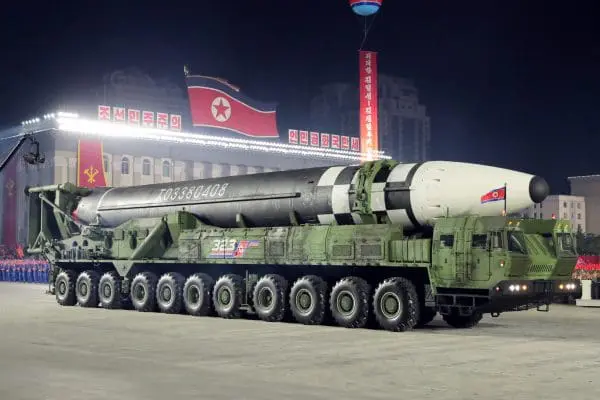
In recent weeks, tensions have been rising as reports emerge of North Korea’s plans to target Europe with nuclear weapons. This news has sent shockwaves throughout the international community and has once again raised concerns about the rogue state’s nuclear capabilities and intentions.
North Korea has a well-documented history of threatening its neighbours and the United States with nuclear weapons. However, this latest development signals a shift in their target selection, as Europe has not traditionally been at the forefront of North Korea’s threats.
So why has North Korea set its sights on Europe? Some experts believe that this new target is a strategic move by North Korean leader Kim Jong-un to expand his regime’s sphere of influence and assert his dominance on the world stage. By threatening Europe, Kim Jong-un may be attempting to further destabilise the global order and showcase his regime’s power and capabilities.
The prospect of North Korea launching a nuclear attack on European soil is a terrifying one, and it raises important questions about the effectiveness of international efforts to prevent the proliferation of nuclear weapons. Despite years of sanctions and diplomatic pressure, North Korea has continued to develop its nuclear program and pose a threat to global security.
In response to these latest threats, European leaders have condemned North Korea’s actions and called for increased sanctions and diplomatic efforts to address the situation. The European Union has reaffirmed its commitment to working with international partners to prevent the spread of nuclear weapons and ensure the safety and security of all nations.
As the situation continues to evolve, it is imperative that the international community remains vigilant and united in its efforts to prevent North Korea from following through on its threats. The prospect of a nuclear attack on Europe is a sobering reminder of the grave dangers posed by rogue states with nuclear capabilities, and it underscores the urgent need for continued cooperation and coordination on the world stage.
In the face of these threats, it is crucial that we stand together as a global community and send a clear message that nuclear aggression will not be tolerated. By working together and speaking with one voice, we can ensure that North Korea’s plan to nuke Europe remains nothing more than a dangerous and reckless threat.