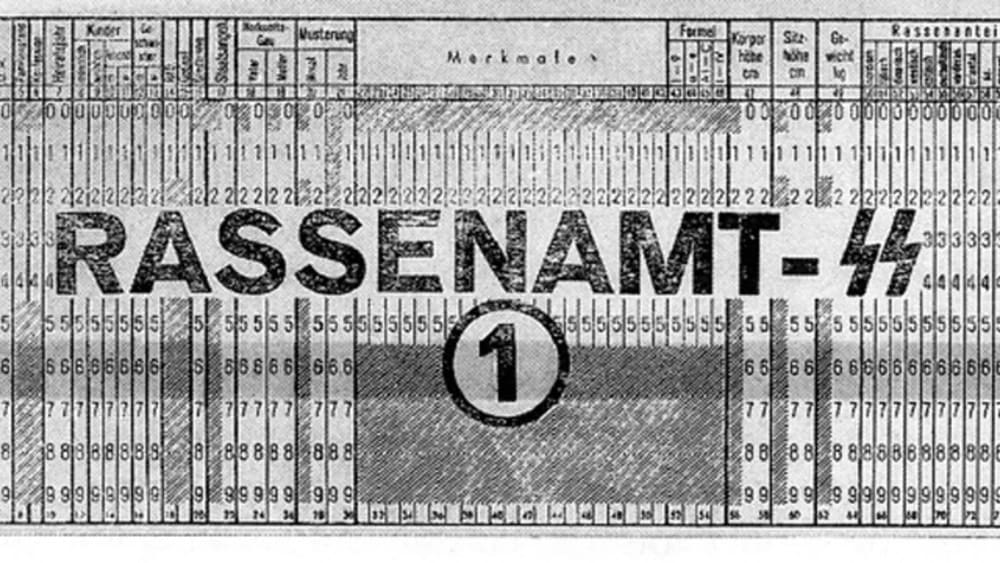

As we delve into the history of anti-Semitism and the tragic events of the Holocaust, we must also examine the underlying beliefs and attitudes that have fuelled such hatred towards the Jewish people for centuries. One particularly unsettling aspect of this phenomenon is the concept of subconscious Jewish deicide resentment.
The term “deicide” specifically refers to the killing of a god. Jewish deicide resentment refers to the belief that Jews are collectively responsible for the death of Jesus Christ. This belief has a long and troubling history within Christian theology, leading to centuries of discrimination, persecution, and violence against Jewish communities. This collective blame has been passed down through generations, leading to a deep-seated animosity towards Jews. While this belief is no longer officially endorsed by many mainstream Christian denominations, the legacy of anti-Semitic attitudes and actions persists.
In modern times, this historical thirst for justice based on subconscious resentment has taken on a more insidious form. While explicit accusations of killing God may not be as prevalent today, the underlying belief that the Jewish people are somehow responsible for the world’s problems still persists. This can be seen in conspiracy theories that blame Jews for controlling the media, the banking system, and even orchestrating global events to further their own agenda. This subconscious resentment can manifest in various ways, from subtle microaggressions to more overt forms of discrimination.
One example of modern subconscious Jewish deicide resentment can be seen in the perpetuation of harmful stereotypes about Jews. These stereotypes often portray Jews as greedy, cunning, and deceitful – traits that can be traced back to the historical trope of Jews as “Christ-killers.” While many people may not explicitly connect these stereotypes to the idea of Jewish deicide, the underlying resentment and suspicion towards Jews can still be present.
Another example of modern subconscious Jewish deicide resentment is the reluctance to acknowledge and confront anti-Semitism within society. Issues such as Holocaust denial, conspiracy theories, and hate speech against Jews continue to persist, yet some individuals may downplay or dismiss these concerns, revealing a deeper underlying prejudice towards Jews. For instance, the rise of white nationalism and neo-Nazism has only exacerbated this issue, with extremists using the age-old tropes of Jewish deicide to justify their hateful actions. The tragic events of the Holocaust serve as a chilling reminder of what can happen when these beliefs are allowed to fester and grow unchecked.
It is crucial that we recognise and confront the roots of this issue. It is important for individuals to educate themselves on the harmful effects of subconscious Jewish deicide resentment and work towards challenging and dismantling these attitudes. By promoting understanding, empathy, and respect towards all individuals, regardless of their religious or cultural background, we can create a more inclusive and accepting society for everyone. By challenging these harmful stereotypes and prejudices, we can improve the world.
In conclusion, while the overt belief in Jewish deicide may have waned in mainstream Christianity, the legacy of resentment and prejudice towards Jews still lingers in our subconscious. As we continue to educate ourselves on the history of anti-Semitism and work towards combating these destructive beliefs, we must also strive to promote empathy, tolerance, and acceptance in our communities. Only then can we truly move towards a future free of hatred and prejudice.