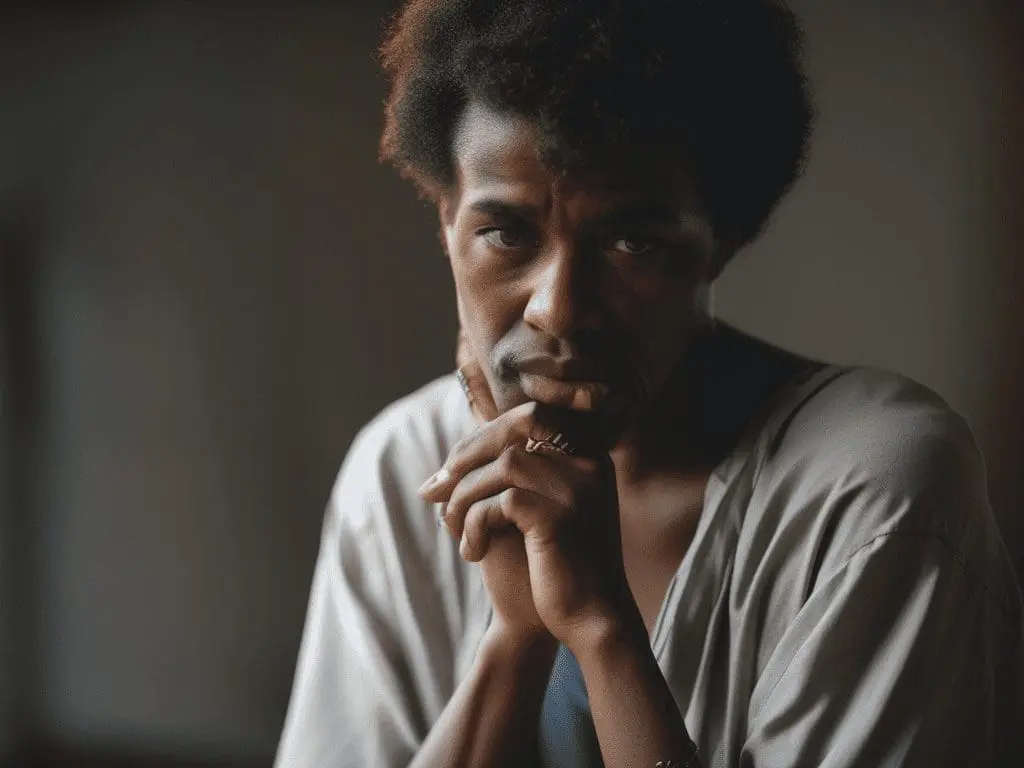
Discrimination is a pervasive issue that still plagues society today. Despite progress in civil rights and equality, many individuals still face barriers and obstacles due to their race, gender, sexual orientation, disability, or other characteristics. In order to truly create a more inclusive and equitable society, it is important to address and break down these barriers.
One of the first steps in addressing discrimination is acknowledging its existence. Many people may not realise the extent to which discrimination still occurs in today’s society, or may not fully understand the impact it has on individuals and communities. By raising awareness and starting conversations about discrimination, we can begin to shine a light on this issue and work towards finding solutions.
Education and training are also key components in breaking down barriers and addressing discrimination. By educating individuals about the experiences of marginalised groups and the effects of discrimination, we can foster greater understanding and empathy. Training programs can also help to eliminate biases and stereotypes, creating a more inclusive environment for all.
Legislation and policies are important tools in combating discrimination as well. Laws that protect individuals from discrimination and promote equal opportunities are essential in creating a fair and just society. It is important for lawmakers to continually evaluate and update these laws to ensure they are effective in addressing the evolving forms of discrimination that exist today.
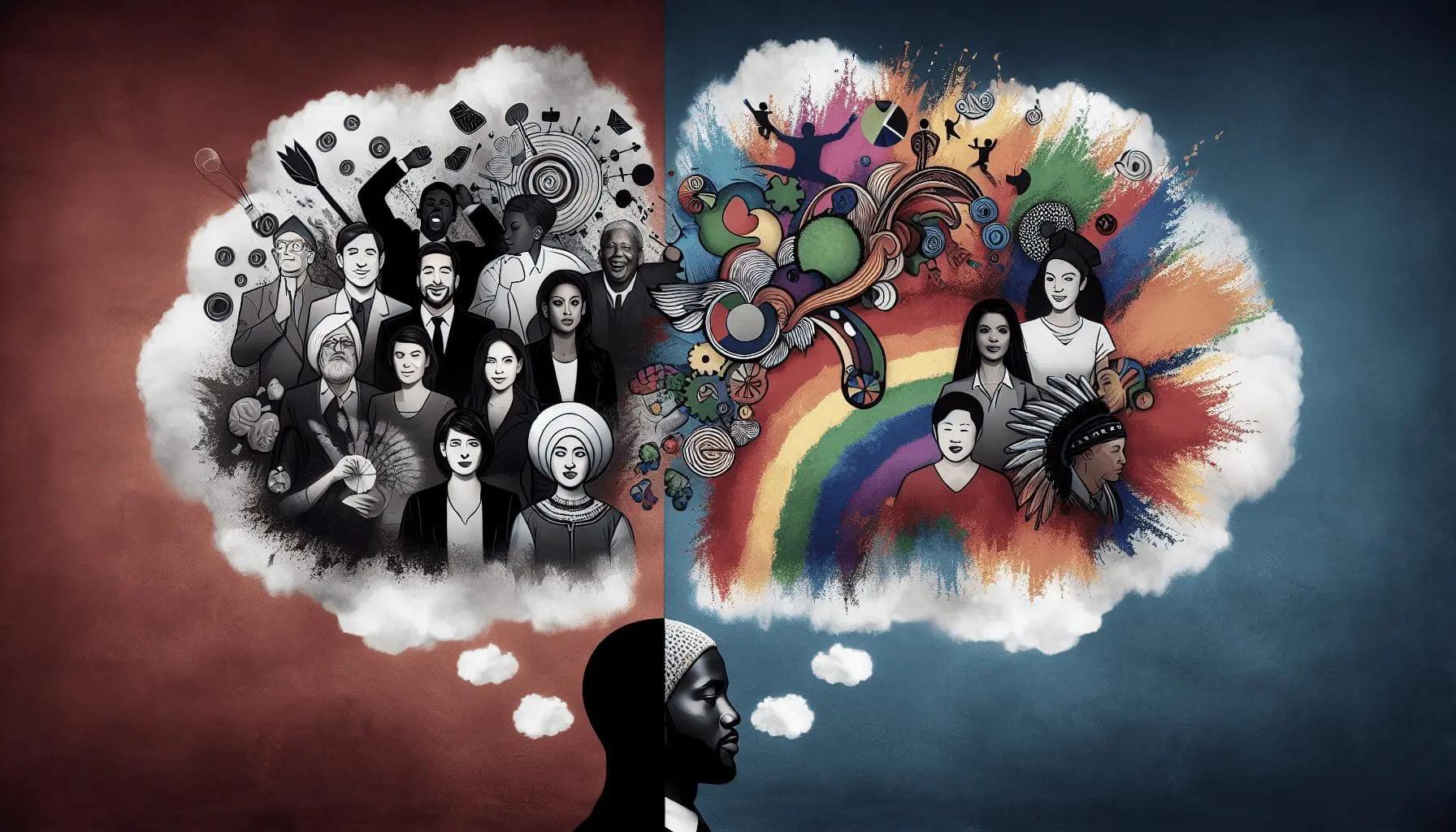
In addition to addressing discrimination on a societal level, it is also important for individuals to examine their own beliefs and actions. We all have biases and prejudices, whether conscious or unconscious, that can contribute to discriminatory behaviour. By being mindful of our own attitudes and behaviours, we can work towards being more inclusive and respectful towards others.
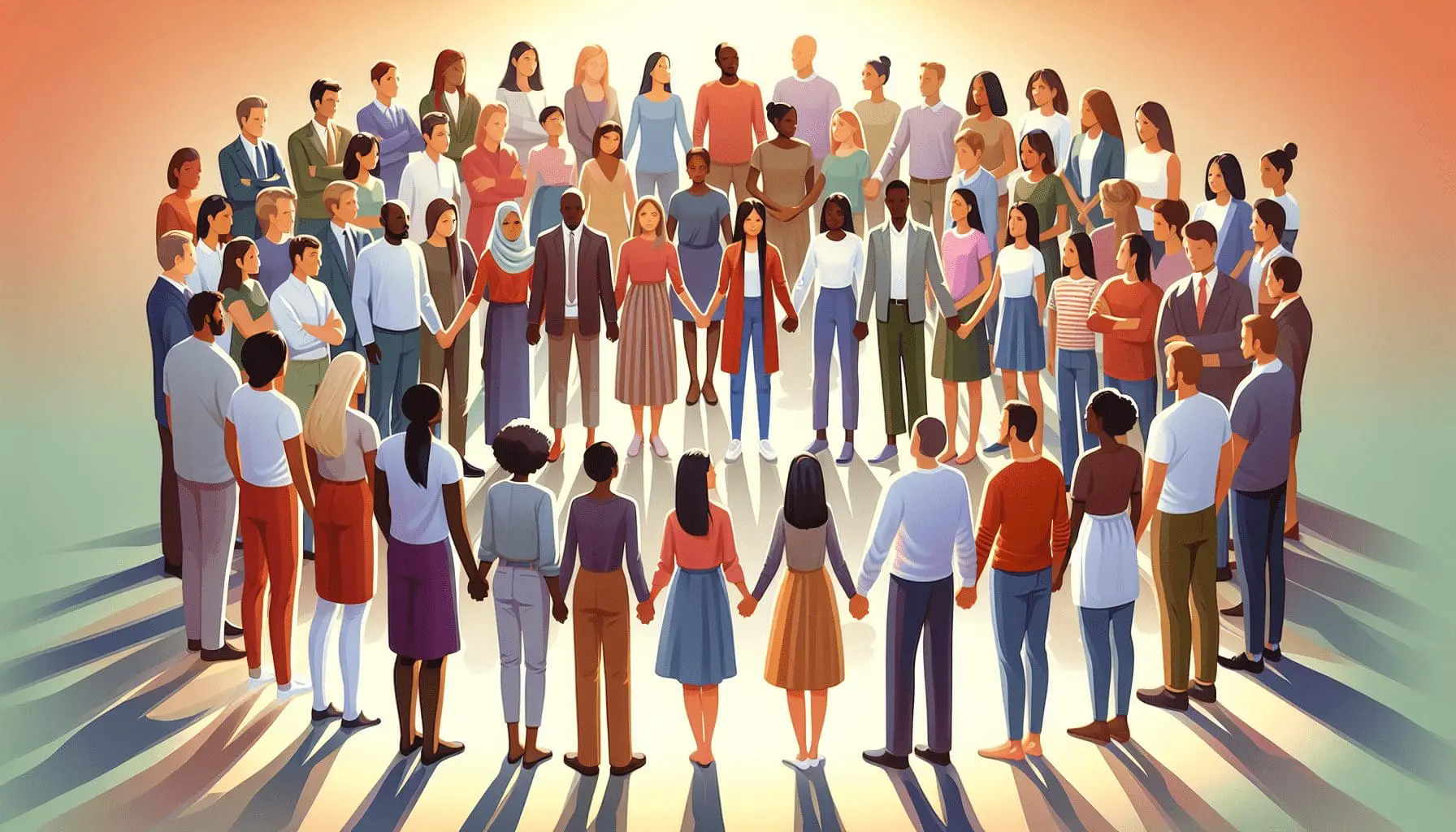
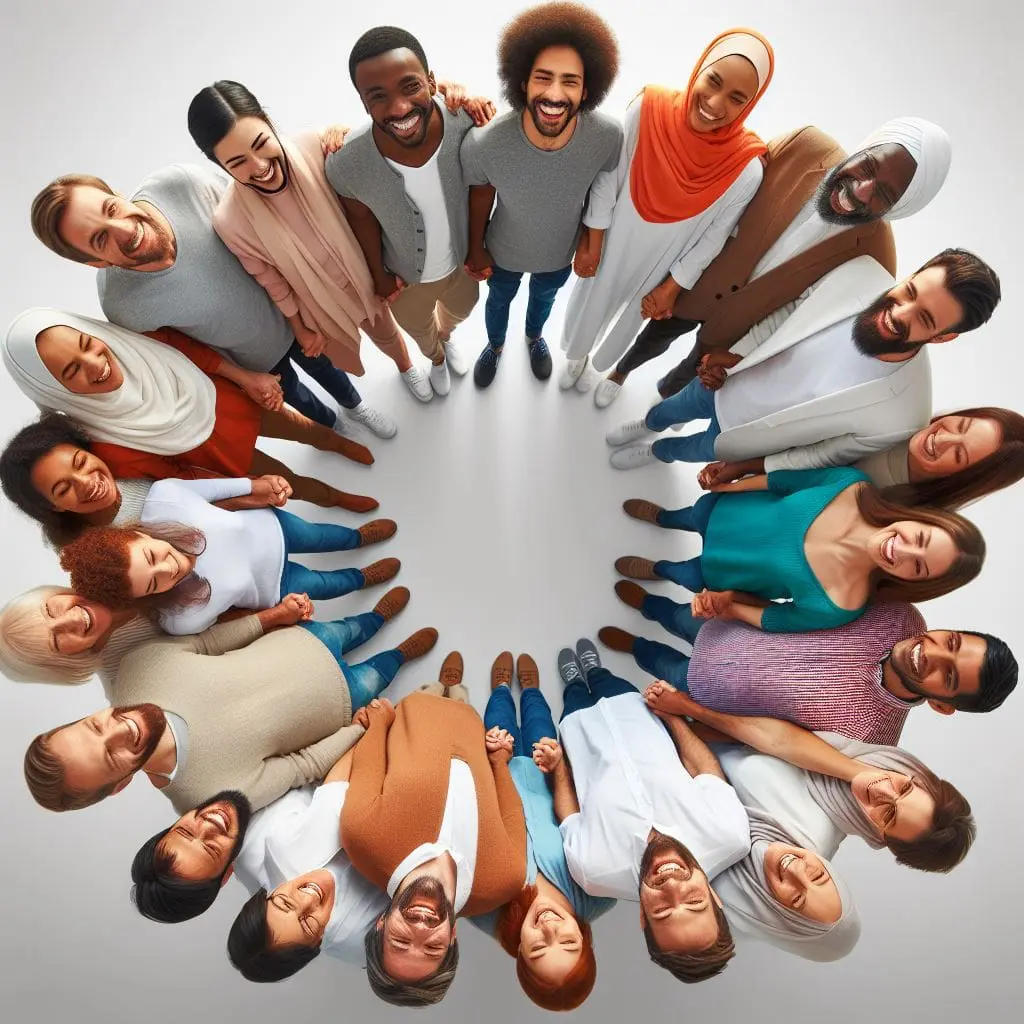
Ultimately, breaking down barriers and addressing discrimination requires a collective effort from individuals, communities, and institutions. By working together to create a more equitable and inclusive society, we can ensure that everyone has the opportunity to thrive and reach their full potential. It is up to all of us to challenge discrimination and strive for a more just and equal world.