
Tag: Depression

  • The Crucial Role of the Dorsolateral Prefrontal Cortex (DLPFC) in Depression

    The Crucial Role of the Dorsolateral Prefrontal Cortex (DLPFC) in Depression

    Advertisements

    The DLPFC is located in the front part of the brain and plays a key role in executive functions such as attention, decision-making, and cognitive control. Studies have shown that individuals with depression often exhibit dysfunction or abnormalities in the DLPFC, which may contribute to the symptoms of the disorder. For example, decreased activity in the DLPFC has been linked to deficits in cognitive flexibility and problem-solving, which are common in depression.

    Furthermore, the DLPFC is also involved in regulating emotional responses and coping mechanisms. Dysfunction in this region can lead to difficulties in emotion regulation and heightened emotional reactivity, both of which are characteristic of depression. Additionally, the DLPFC has connections to other brain regions involved in mood regulation, such as the amygdala and the hippocampus, further underscoring its importance in the pathology of depression.

    Research has also shown that individuals with depression may have structural and functional changes in the DLPFC. For example, decreased grey matter volume in the DLPFC has been observed in individuals with depression, suggesting alterations in neuronal density or synaptic connectivity. Functional imaging studies have also revealed abnormalities in DLPFC activation patterns in response to emotional stimuli, indicating impaired emotional processing in individuals with depression.

    Understanding the role of the DLPFC in depression could have important implications for the development of more targeted and effective treatments. For instance, interventions that specifically target the DLPFC, such as transcranial magnetic stimulation (TMS) or neuromodulation techniques, have shown promise in alleviating symptoms of depression. Cognitive-behavioral therapies that aim to strengthen cognitive control and emotion regulation skills may also help to normalize DLPFC function in individuals with depression.

    In conclusion, the DLPFC is a crucial brain region involved in the pathophysiology of depression. Dysfunction in this area can lead to cognitive deficits, emotional dysregulation, and altered mood states, all of which are hallmark features of depression. By further investigating the role of the DLPFC in depression, researchers may uncover new avenues for the treatment and management of this debilitating mental health condition.

  • How to Spot a High Functioning Depression

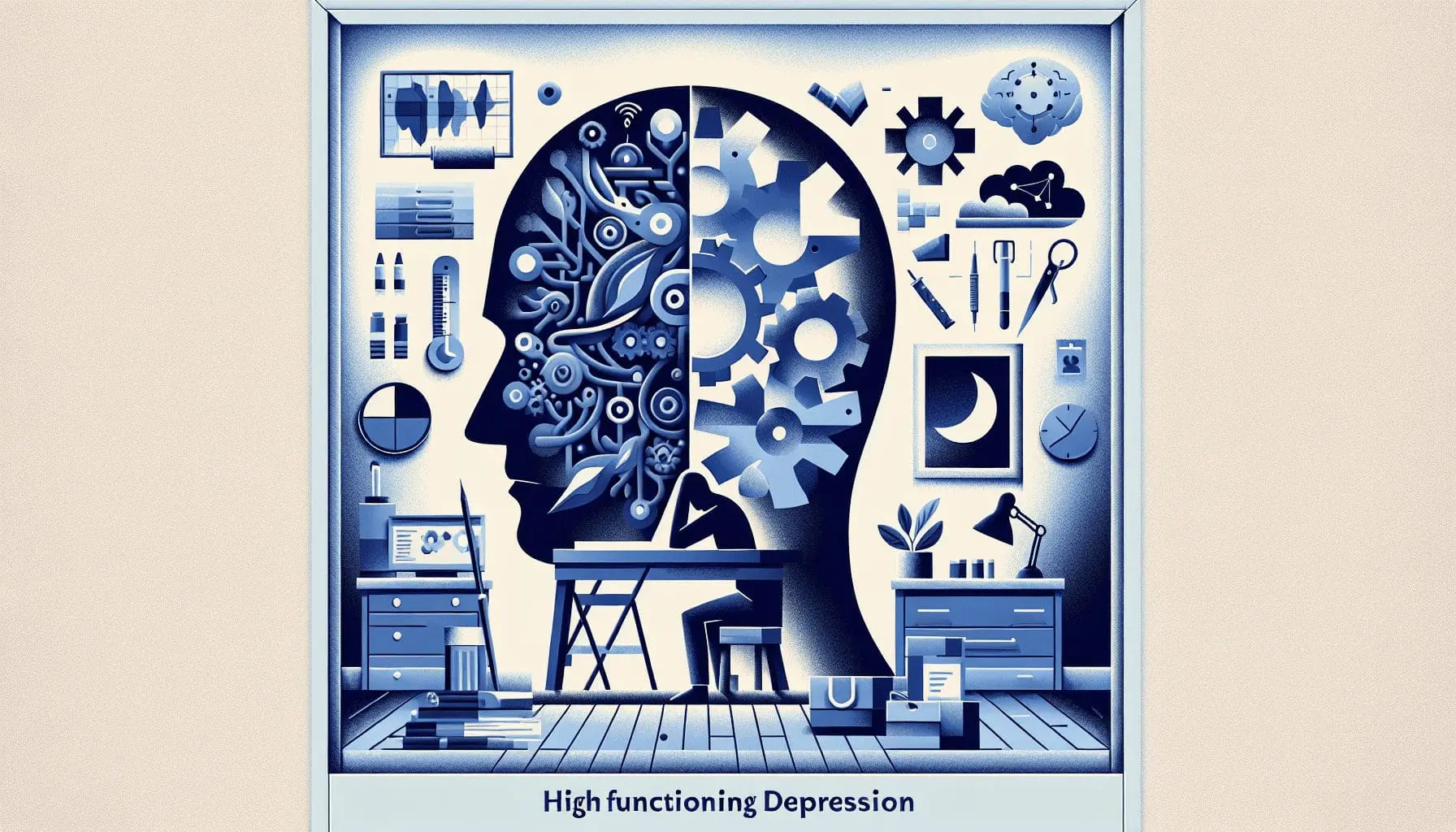
    How to Spot a High Functioning Depression

    Advertisements

    High functioning depression is when an individual is able to carry on with their daily activities and responsibilities, despite feeling depressed. These individuals may seem to have it all together on the outside, but on the inside, they are struggling with feelings of hopelessness, emptiness, and worthlessness.

    So how can you spot high functioning depression in yourself or someone else? Here are some signs to look out for:

    1. Perfectionism: People with high functioning depression often put immense pressure on themselves to excel in all areas of their lives. They may have high standards for themselves and constantly feel like they are not meeting them.

    2. Irritability: While some people with depression may be withdrawn, those with high functioning depression may exhibit signs of irritability or anger. They may have a short fuse and react strongly to minor frustrations.

    3. Fatigue: Despite appearing to have it all together, individuals with high functioning depression may struggle with extreme fatigue. They may have trouble getting out of bed in the morning or feel drained throughout the day.

    4. Difficulty concentrating: Depression can impact a person’s ability to focus and concentrate. People with high functioning depression may have trouble keeping up with tasks or making decisions.

    5. Feelings of emptiness: Even though they may be surrounded by friends and family, those with high functioning depression may still feel a profound sense of emptiness or numbness.

    If you or someone you know is exhibiting these symptoms, it’s important to seek help. High functioning depression can be just as serious as any other form of depression, and it’s crucial to take care of your mental health. Remember, it’s okay to not be okay, and there is always help and support available. Don’t be afraid to reach out and start the journey towards healing.

  • Things You Can Do At Home to Beat Depression

    Things You Can Do At Home to Beat Depression

    Advertisements

    1. Exercise regularly: Physical activity has been shown to have a positive impact on mental health. Exercise releases endorphins, which are neurotransmitters that help improve mood and reduce feelings of stress and anxiety. Try to incorporate at least 30 minutes of moderate exercise into your daily routine, such as walking, jogging, yoga, or dancing.

    2. Practise mindfulness and meditation: Mindfulness and meditation are effective techniques for reducing stress and promoting relaxation. Take a few minutes each day to sit quietly and focus on your breath, or try a guided meditation to help calm your mind and reduce negative thoughts.

    3. Maintain a healthy diet: Eating a balanced diet rich in fruits, vegetables, whole grains, and lean proteins can help improve your overall mood and energy levels. Avoiding processed foods, sugary snacks, and excessive caffeine can also help regulate your mood and prevent mood swings.

    4. Get enough sleep: Lack of sleep can worsen symptoms of depression, so it’s important to prioritise getting enough rest each night. Aim for 7-8 hours of sleep per night and establish a bedtime routine to help relax your mind and body before bed.

    5. Stay connected: Depression can make you want to isolate yourself from others, but social support is essential for managing depression. Reach out to friends and family members for support, or consider joining a support group to connect with others who may be experiencing similar struggles.

    6. Set goals and stay busy: Setting achievable goals for yourself can help give you a sense of purpose and accomplishment. Stay busy with activities that you enjoy, whether it’s reading, painting, gardening, or trying out a new hobby.

    7. Seek professional help when needed: While these self-care strategies can help alleviate symptoms of depression, it’s important to seek professional help if you are struggling to cope. A therapist or counsellor can provide you with tools and strategies for managing depression and improving your overall mental health.

    Remember, it’s okay to ask for help and support when you need it. Taking small steps each day to prioritise your mental health can make a big difference in managing depression and improving your overall well-being.

  • How to Get Out of a Depression

    How to Get Out of a Depression

    Advertisements

    Here are some tips on how to get out of a depression:

    1. Seek professional help: The first step in overcoming depression is to seek help from a mental health professional. A therapist or counsellor can provide you with the tools and support you need to work through your feelings and develop coping strategies.

    2. Practise self-care: Taking care of yourself is crucial when dealing with depression. Make sure to get enough sleep, eat well-balanced meals, exercise regularly, and engage in activities that bring you joy and relaxation.

    3. Stay connected: Depression can often make you want to isolate yourself, but it is important to stay connected with friends and loved ones. Reach out to a trusted friend or family member and talk about how you are feeling. Social support can play a significant role in recovery.

    4. Challenge negative thoughts: Depression can often be fuelled by negative and irrational thoughts. Challenge these thoughts by examining the evidence for and against them and replacing them with more realistic and positive ones.

    5. Set small goals: Setting small, achievable goals can help you regain a sense of control and accomplishment. Start with simple tasks like going for a walk, cleaning your room, or organising your schedule.

    6. Practise mindfulness and relaxation techniques: Mindfulness and relaxation techniques, such as deep breathing exercises, meditation, and yoga, can help reduce stress and anxiety and improve your mood.

    7. Engage in activities that bring you joy: Make time for activities that make you happy and bring you a sense of fulfilment. Whether it’s painting, writing, playing music, or spending time in nature, engaging in creative and meaningful activities can help lift your spirits.

    8. Stay positive and hopeful: Recovery from depression can take time, but it is important to stay positive and hopeful. Celebrate your small victories and remind yourself that you are worthy of love and happiness.

    Remember, it is okay to ask for help and support when dealing with depression. You are not alone, and there are resources available to help you navigate through this challenging time. With determination, self-care, and professional guidance, you can overcome depression and regain your mental health and well-being.

  • From ‘I am Feeling Sad’ to Overcoming Depression

    From ‘I am Feeling Sad’ to Overcoming Depression

    1. Acknowledge Your Feelings

    The first step toward overcoming depression is acknowledging your emotions. It is vital to recognise that feeling sad or depressed is not a sign of weakness, but rather a natural response to life’s challenges . By understanding and accepting your emotions, you lay the foundation for moving forward.

    2. Seek Support

    Never underestimate the power of support. Whether it be from friends, family, or mental health professionals, reaching out to others who understand and care can make a significant difference. Surround yourself with positive and compassionate individuals who can lend a listening ear, offer advice, or encourage professional help if necessary.

    3. Make Lifestyle Changes

    Depression often makes us neglect ourselves physically and mentally, amplifying feelings of sadness. Making positive changes in your daily routine can have a profound impact on your mental state. Focus on maintaining a balanced diet, getting regular exercise, and ensuring adequate sleep. Engaging in activities you once enjoyed or discovering new hobbies can help distract your mind from negative thoughts and build a sense of accomplishment.

    4. Develop Healthy Coping Mechanisms

    It is essential to develop healthy coping mechanisms and stress management techniques to navigate through the quagmire of depression. Practising mindfulness, meditation, or deep breathing exercises can help combat negative thoughts. Additionally, consider writing in a journal, expressing yourself through art, or engaging in therapy to explore and overcome the challenges contributing to your depression.

    5. Challenge Negative Thoughts

    Depression often brings forth a barrage of negative self-talk and distorted thinking patterns. Learn to identify and challenge these thoughts. Replace them with more positive and realistic affirmations. Speak kindly to yourself and practice self-compassion. Over time, this shift in mindset will help reframe your perspective and reduce the power depression holds over you.

    6. Create a Supportive Environment

    Evaluate your immediate surroundings and make necessary changes to foster a positive and supportive environment. Surround yourself with people who uplift your spirits and limit exposure to negativity. Rearrange your physical space to promote feelings of calm and tranquility. Even small adjustments, such as adding plants or organising your workspace, can contribute to a more positive atmosphere.

    Conclusion

    While overcoming depression is a complex journey, it is essential to remember that it is entirely possible to rediscover happiness and reclaim your life. By acknowledging your emotions, seeking support, making lifestyle changes, developing healthy coping mechanisms, challenging negative thoughts, and creating a supportive environment, you can gradually transition from feeling sad to conquering the depths of depression. Remember, you are not alone, and help is always available for those who seek it.