
Tag: Democracy

  • Understanding the Process of Democratisation: Forms and Goals

    Understanding the Process of Democratisation: Forms and Goals

    Advertisements

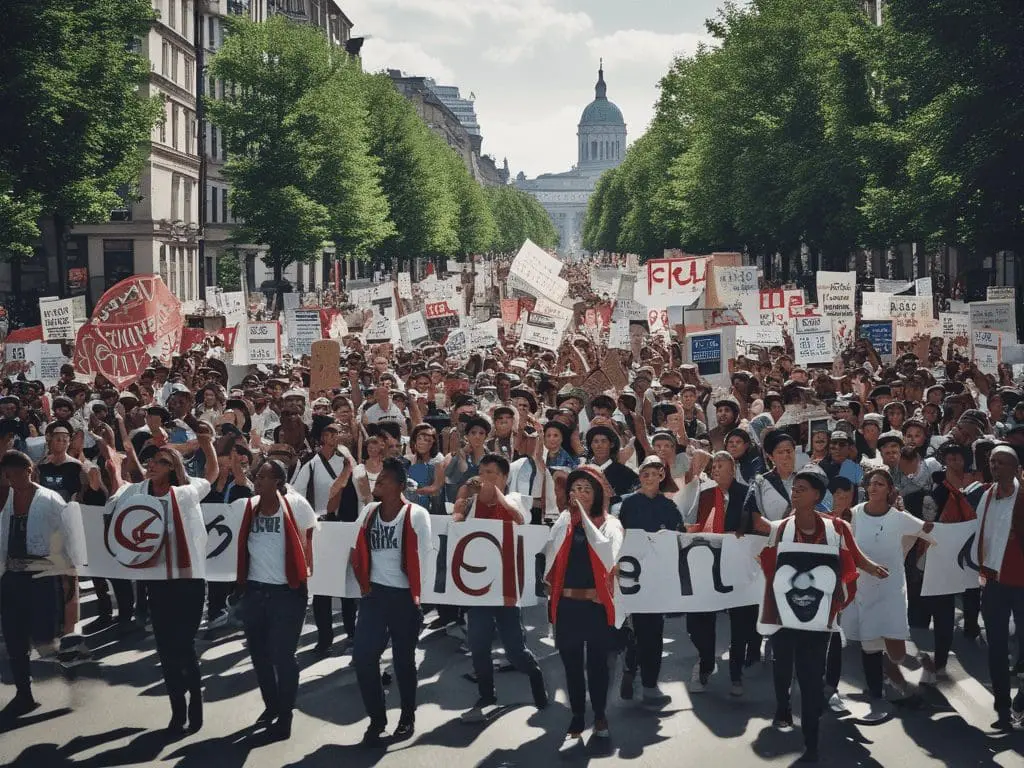
    The concept of democratisation can take many different forms, depending on the specific context in which it is being applied. In some cases, it may involve the transition from authoritarian rule to a more democratic form of government. In others, it may involve the expansion of civil liberties and political rights within an already established democracy.

    One of the key goals of democratisation is to ensure that all citizens have an equal say in the decisions that affect their lives. This is often achieved through the establishment of democratic institutions, such as free and fair elections, a robust system of checks and balances, and the protection of individual rights and liberties.

    Democratisation is not a one-size-fits-all process, and it can often be messy and complex. It requires the active engagement of citizens, political leaders, civil society organisations, and other stakeholders in order to be successful. It also requires a commitment to the principles of democracy, such as tolerance, pluralism, and respect for the rule of law.

    There have been many success stories in the field of democratisation, where countries that were once ruled by authoritarian regimes have successfully transitioned to democratic governance. However, there have also been many challenges and setbacks along the way, as entrenched interests and systemic issues can often stand in the way of progress.

    Ultimately, democratisation is a continual process that requires ongoing vigilance and effort in order to ensure that democracy remains vibrant and inclusive. It is a goal worth striving for, as it holds the promise of a more just, equitable, and prosperous society for all.
  • Empowering the People: The Case for Deliberative Democracy

    Empowering the People: The Case for Deliberative Democracy

    Advertisements

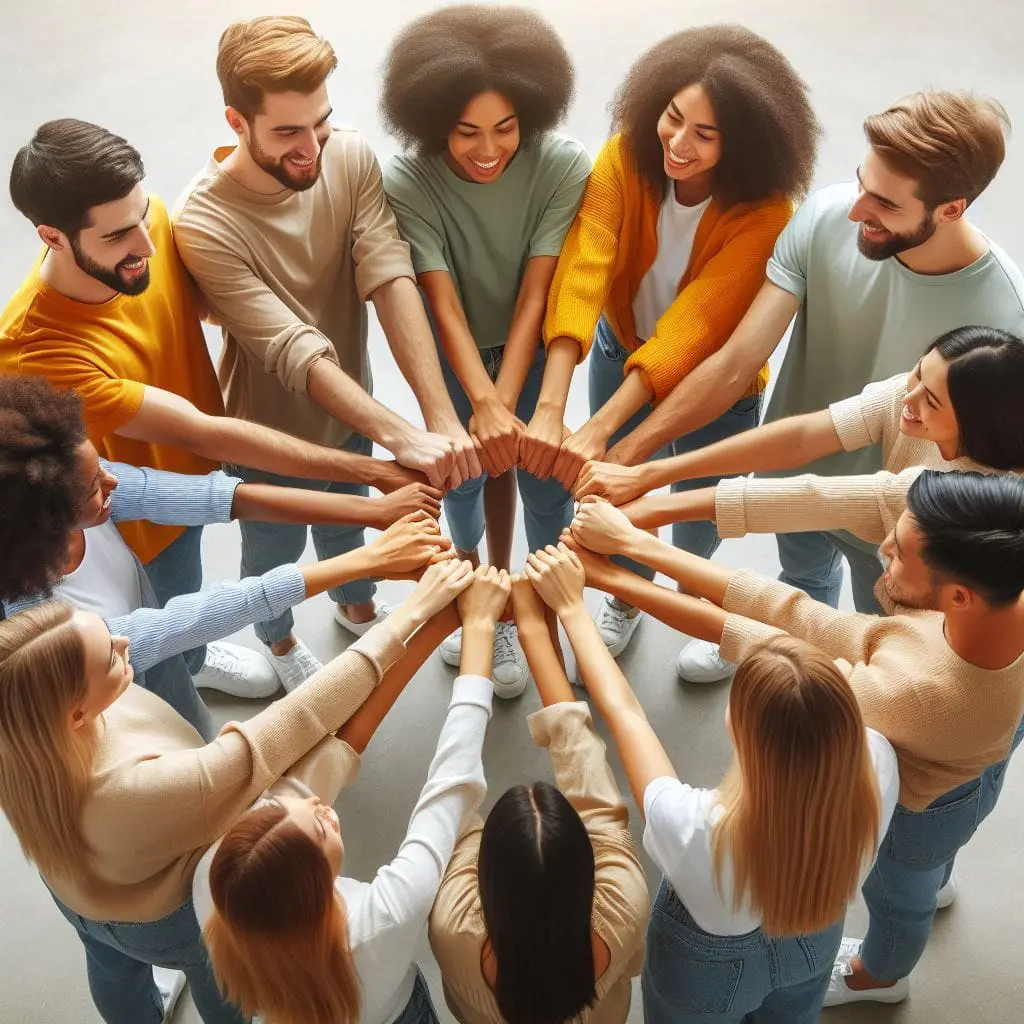
    One of the key arguments in favour of deliberative democracy is its ability to foster active citizenship and civic engagement. By bringing citizens together to discuss and deliberate on important issues, this model encourages people to critically examine different perspectives and engage in meaningful dialogue with one another. This not only helps to promote a deeper understanding of complex issues , but also cultivates a sense of responsibility and community among participants.

    Furthermore, deliberative democracy has the potential to produce better quality decisions by drawing on the collective wisdom and diverse perspectives of citizens. Unlike traditional forms of democracy where decisions are often made based on majority rule, deliberative democracy values the process of dialogue and consensus-building. By ensuring that all voices are heard and considered, this model can help to prevent the tyranny of the majority and promote more thoughtful and inclusive decision-making.

    Deliberative democracy also has the advantage of fostering trust and cooperation among citizens and between government institutions and the public. By involving citizens directly in the decision-making process, this model can help to bridge the gap between the government and the people, promoting greater transparency and accountability. This, in turn, can help to build trust in democratic institutions and strengthen the overall legitimacy of the democratic system.

    While deliberative democracy is not without its challenges, such as ensuring that all voices are heard and that decisions are implemented effectively, it offers a promising alternative to traditional forms of democracy. By empowering citizens to participate directly in the decision-making process, deliberative democracy has the potential to create a more inclusive, informed, and participatory democratic system that truly empowers the people.

    In conclusion, the case for deliberative democracy is a strong one. By fostering active citizenship, promoting dialogue and consensus-building, and building trust and cooperation among citizens and government institutions, this model offers a compelling vision for how democracy can be strengthened and revitalised in the 21st century. As we continue to grapple with complex and pressing challenges, it is clear that empowering the people through deliberative democracy is a crucial step towards creating a more just, equitable, and sustainable society.

  • Cracks in the System: The State of Flawed Democracy

    Cracks in the System: The State of Flawed Democracy

    Advertisements

    One of the most glaring issues facing democracies today is the rise of authoritarian leaders who manipulate the democratic process to consolidate power and suppress dissent. From Hungary to Turkey to the United States, we have seen leaders who undermine the independence of the judiciary, restrict freedom of the press, and erode the checks and balances that are meant to ensure the government’s accountability to the people. These leaders often rely on fear-mongering and false promises to deceive the public into supporting their authoritarian agenda, exploiting the very democratic institutions that are meant to safeguard against tyranny.

    Another major issue facing democratic systems is the growing influence of money and special interests in politics . As corporate donations and lobbying efforts continue to shape policy decisions, the voice of the average citizen is drowned out by the interests of the wealthy elite. This has led to a system where politicians prioritise the needs of big donors over the needs of the general population, perpetuating inequality and eroding trust in the democratic process.

    Furthermore, the rise of social media and online misinformation has further exacerbated the flaws in democratic systems. With the spread of fake news and misinformation, voters are bombarded with distorted information that can sway their opinions and influence their voting behaviour. This has led to the polarisation of society, with people retreating into echo chambers where their beliefs are constantly reinforced, leading to a breakdown in rational discourse and compromise.

    In light of these challenges, it is clear that the state of democracy is in a precarious position. However, this does not mean that we should abandon the concept of democracy altogether. Rather, it is a call to action for all citizens to take a stand against the erosion of democratic principles and work towards a more inclusive and accountable system of governance.

    By holding our leaders accountable, speaking out against injustice, and actively participating in the democratic process, we can help to strengthen the foundations of democracy and ensure that our voices are heard. Only by acknowledging and addressing the cracks in the system can we hope to create a more just and equitable society for future generations.

  • Blogging as a Method for Democratic Therapy

    Blogging as a Method for Democratic Therapy

    Blogs are a great way to express your voice. Even if your experiences have made you feel silent, oppressed, and unfairly treated at an intergroup relational context; you can still assert your thoughts, feelings and opinions in the online community. This way, blogging can be a method for cognitive-emotional democratic healing at both individual and collective levels.

    Why is expressing your voice important?

    Actions and reactions happen at inter and intra group levels for many reasons. Sometimes communicating our perspective helps elucidate a particular situation. So for instance, if you feel that some members of your social milieu have displayed hostility towards you as a result of the hostility that they themselves have been subjected to, you might be correct in assuming that such a hostility might have become hypernormalised at the group’s cultural level , and that such members are experiencing reactive-formative symptoms of trauma. For the minority individual, the experience of being let down, or rejected by a group, culture, system, or apparatus can be debilitating (i.e. it can feel like mob behaviour), and when this happens for a prolonged period of time; it can create feelings of marginalised frustration. Blogging is a good way to use your freedom of speech in a way that directly addresses the public audience, whilst simultaneously being an interpersonal method for expression.

    The risk is to stay silent.

    Setting up a blog

    There are different ways in which you can begin your blog. The most common problem I hear when I speak with people about blogging is ‘I do not not what to say. I would not know where to start’. My answer is that such is precisely the way to start a blog. You do not need to know what to write about in order to express that you do not know what to write about. Sometimes it could be sharing your professional work. Other times it could just be about sharing an experience you went through. I tend to shift between these modes. Most of the time, I share some of my thoughts, feelings, and add something interesting that I have been researching about. Regardless of what your needs for expression are, blogging is an effective method for online communication and an interdisciplinary style for socialisation. But, what blog to use?

    Choosing a blogging platform

    Different people will prefer different types of blogs for their journalism depending on how much time or effort they wish to invest in the endeavour. Here are a few options:

    • Blogger : A very simple and generic user experience design for expressing thoughts. It has an archive of dates which store your thoughts across time. The interface is easy to learn, and it is free of charge. It is ideal for those only getting started in cybercultural activities.
    • Google Sites: This platform truly is flexible in terms of allowing the user to experience freedom in how to structure their pages. It is useful for creative projects and for getting started with digital design. It lacks an automatic blogging archive, so if what you are looking for is a place to log your thoughts, Blogger is a better option. All you need is a Google account.
    • WordPress: This blog (as you can see at the bottom of the page) is powered by WordPress. The reason why I personally prefer this platform is because it gives me a wide margin of flexibility when it comes to design, as well as simultaneously having an archive for blog posts which permits organization.
    • Medium: For those who do not wish to either hassle neither with the design nor with the other technicalities, Medium allows people to register and write. It is a community project, meaning that people from all walks of life contribute to the discussion.