Tag: Anxiety

  • 5 Best Natural Remedies for Managing Anxiety: Exercise, Mindfulness, Healthy Diet, Supplements, Therapy

    5 Best Natural Remedies for Managing Anxiety: Exercise, Mindfulness, Healthy Diet, Supplements, Therapy

    Advertisements

    1. Exercise: Physical activity has been shown to release endorphins, which are chemicals in the brain that act as natural painkillers and mood elevators. Regular exercise can also help reduce stress and anxiety levels, improve sleep, and boost self-esteem. Whether it’s a brisk walk, a yoga class, or a high-intensity workout, find an activity that you enjoy and make it a regular part of your routine.

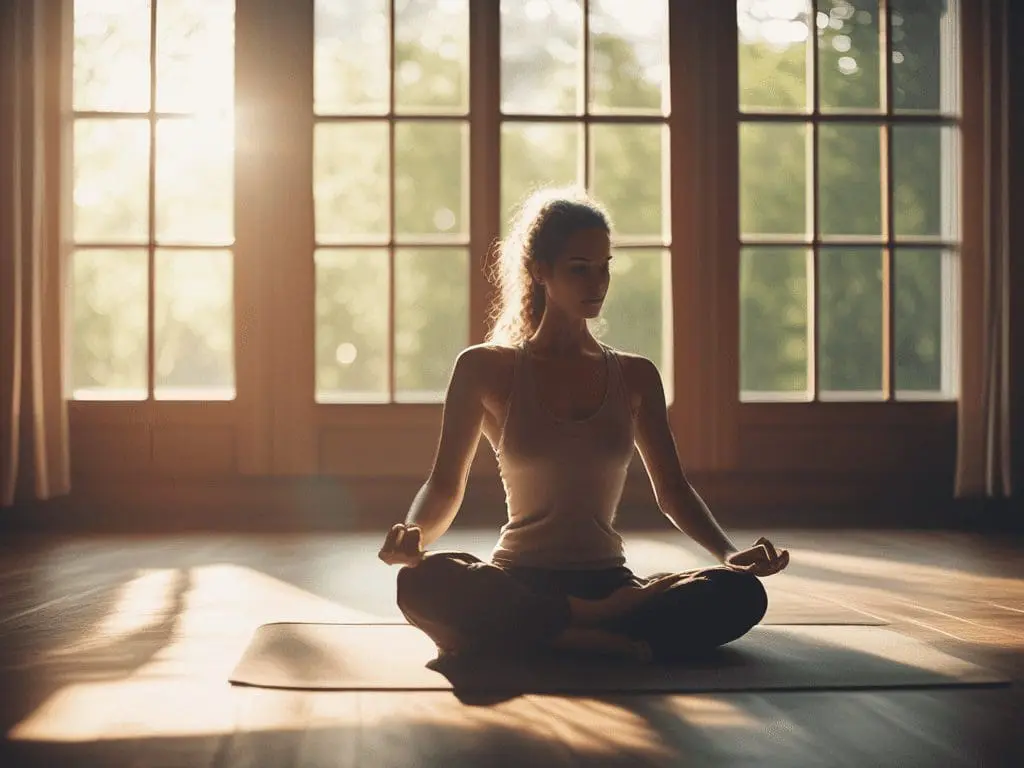
    2. Mindfulness and meditation: Practising mindfulness and meditation can help calm the mind and reduce anxiety symptoms. By focusing on the present moment and paying attention to your thoughts and emotions without judgement, you can learn to observe and manage your anxiety more effectively. There are many resources available online to help you get started with mindfulness and meditation practices.

    3. Healthy diet: Eating a well-balanced diet can play a significant role in managing anxiety. Avoiding processed foods, sugary snacks, and caffeine can help stabilise your blood sugar levels and reduce anxiety symptoms. Instead, focus on incorporating whole foods like fruits, vegetables, lean proteins, and whole grains into your meals to support your mental and physical health.

    4. Herbal supplements: Certain herbs and supplements have been found to have calming effects on the body and may help reduce anxiety symptoms. Some popular options include passionflower, valerian root, and lavender. However, it’s important to consult with a healthcare professional before starting any new supplement to ensure it’s safe and effective for you.

    5. Therapy and support: Seeking therapy from a licensed mental health professional can help you explore the root causes of your anxiety and develop coping strategies to manage it. Cognitive-behavioral therapy (CBT) and mindfulness-based therapies are often recommended for treating anxiety disorders. Additionally, joining a support group or talking to trusted friends and family members can provide emotional support and validation during difficult times.

    While these natural remedies may help alleviate symptoms of anxiety, it’s important to remember that everyone’s experience with anxiety is different, and what works for one person may not work for another. If you’re struggling with anxiety, don’t hesitate to reach out for professional help and explore your treatment options. Remember that seeking help is a sign of strength, and you deserve to live a life free from the burden of anxiety.


  • How to Feel Less Anxiety

    How to Feel Less Anxiety

    Advertisements

    1. Practise relaxation techniques: One of the most effective ways to reduce anxiety is by practising relaxation techniques such as deep breathing, meditation, or progressive muscle relaxation. These techniques can help calm your mind and body and reduce the physical symptoms of anxiety.

    2. Exercise regularly: Exercise has been shown to be an effective way to reduce anxiety and improve mood. Whether it’s going for a walk, practising yoga, or hitting the gym, regular exercise can help release tension and stress from your body.

    3. Get enough sleep: Lack of sleep can exacerbate feelings of anxiety, so it’s important to prioritise getting enough rest each night. Try to establish a consistent bedtime routine and create a relaxing environment in your bedroom to help improve your sleep quality.

    4. Limit caffeine and alcohol intake: Both caffeine and alcohol can worsen anxiety symptoms, so it’s important to monitor your intake of these substances. Opt for herbal teas or decaffeinated beverages instead of caffeinated ones, and limit alcohol consumption to a moderate level.

    5. Focus on the present moment: Anxiety often stems from worrying about the future or ruminating on past events. To help alleviate these feelings, focus on the present moment and practice mindfulness. Engage in activities that bring you joy and allow yourself to fully immerse in the present moment.

    6. Seek support: If you’re struggling with anxiety, don’t be afraid to seek support from friends, family, or a mental health professional. Talking about your feelings and concerns can help you gain a new perspective and develop coping strategies to manage your anxiety.

    In conclusion, feeling less anxious is possible with the right tools and techniques. By practising relaxation techniques, exercising regularly, getting enough sleep, limiting caffeine and alcohol intake, focusing on the present moment, and seeking support, you can take steps towards reducing anxiety and improving your overall well-being. Remember that it’s important to be patient with yourself and give yourself grace as you work towards feeling less anxious.

  • How to Feel Anxiety Less Frequently

    How to Feel Anxiety Less Frequently

    Advertisements

    One of the first things you can do to help reduce feelings of anxiety is to practise mindfulness. Mindfulness involves paying attention to the present moment without judgement. By focusing on your breath, your body, or your surroundings, you can help quiet the racing thoughts in your mind and bring yourself back to the present. This can help reduce feelings of anxiety and help you feel more grounded and centred.

    Another way to reduce anxiety is to engage in regular exercise. Exercise has been shown to release endorphins, which are chemicals in the brain that act as natural painkillers and mood elevators. Additionally, exercise can help reduce levels of the stress hormone cortisol in the body, which can help alleviate feelings of anxiety. Whether it’s going for a run, practising yoga, or simply taking a walk outside, finding a form of exercise that you enjoy can help reduce anxiety and improve your overall mental health.

    Incorporating relaxation techniques into your daily routine can also help reduce feelings of anxiety. Techniques such as deep breathing, progressive muscle relaxation, and visualisation can help calm your mind and body and reduce feelings of stress and anxiety. Taking just a few minutes each day to practise these techniques can help you feel more relaxed and less anxious overall.

    Additionally, it’s important to make sure you are taking care of yourself physically in order to reduce feelings of anxiety. This includes getting enough sleep, eating a balanced diet, and staying hydrated. When your body is properly fuelled and rested, it can better cope with stress and anxiety.

    Lastly, seeking support from a therapist or counsellor can also help reduce feelings of anxiety. A therapist can help you identify the root causes of your anxiety and work with you to develop coping mechanisms and strategies to better manage it. Additionally, talking to a trusted friend or family member about your feelings can provide support and validation, which can help reduce feelings of anxiety.

    Overall, reducing feelings of anxiety is possible with the right tools and techniques. By practising mindfulness, engaging in regular exercise, incorporating relaxation techniques into your daily routine, taking care of yourself physically, and seeking support from a therapist or counsellor, you can help reduce the frequency of anxiety in your life and improve your overall mental health. Don’t be afraid to reach out for help and support if you need it – you deserve to feel at peace and calm in your everyday life.

  • Signs of an Anxiety Attack

    Signs of an Anxiety Attack

    Advertisements

    Anxiety attacks, also known as panic attacks, can come on suddenly and without warning. They can be extremely overwhelming and can cause physical, emotional, and cognitive symptoms . If you’ve never experienced an anxiety attack before, it can be terrifying and confusing. Here are some signs that you may be experiencing an anxiety attack:

    1. Feeling like you can’t breathe: One of the most common symptoms of an anxiety attack is difficulty breathing. You may feel like you can’t catch your breath or like you’re suffocating.

    2. Racing heartbeat: Another common symptom of an anxiety attack is a racing heartbeat. You may feel like your heart is pounding out of your chest, and you may even feel like you’re having a heart attack.

    3. Sweating or trembling: Anxiety attacks can also cause physical symptoms like sweating, trembling, and shaking. You may feel hot or cold and may have clammy hands or feet.

    4. Chest pain or tightness: Chest pain or tightness is another common symptom of an anxiety attack. You may feel like you’re having a heart attack or like there’s a weight on your chest.

    5. Dizziness or lightheadedness: Anxiety attacks can also cause dizziness or lightheadedness. You may feel unsteady or like you’re going to pass out.

    6. Nausea or stomach pains: Anxiety attacks can also cause gastrointestinal symptoms like nausea, stomach pains, or diarrhoea. You may feel sick to your stomach or like you have a knot in your gut.

    7. Feeling like you’re losing control: One of the scariest symptoms of an anxiety attack is feeling like you’re losing control. You may feel like you’re going crazy or like you’re having a mental breakdown.

    If you’re experiencing any of these symptoms, it’s important to remember that you’re not alone and that help is available. Anxiety attacks are treatable, and there are many effective treatments available, including therapy, medication, and relaxation techniques. It’s also important to practice self-care and stress management techniques to help prevent future anxiety attacks.

    It’s also important to remember that anxiety attacks are not a sign of weakness or failure. They are a common and normal response to stress and fear. If you’re struggling with anxiety attacks, reach out for help and support. You deserve to feel better and to live a happy and fulfilling life.

  • The Tension Between Desire & Anxiety: Embracing Uncertainty

    The Tension Between Desire & Anxiety: Embracing Uncertainty

    Advertisements

    1. The Desire for More

    Desire is a natural aspect of being human, propelling us forward and motivating us to strive for greater achievements. Whether it is the desire for a fulfilling career, meaningful relationships, or personal growth, our yearnings stem from our innate need for progress and self-actualisation. Embracing desire can be liberating, as it opens up new possibilities and fuels our passion for life.

    2. The Anatomy of Anxiety

    On the other hand, anxiety arises from the fear of the unknown. It stems from the human tendency to seek security and predictability, especially in an increasingly unpredictable world. Anxiety often emerges when our desires and aspirations collide with the uncertainties and potential setbacks that lie on the path to achieving them. It is important to acknowledge anxiety as a normal part of the human experience, rather than allowing it to hinder our progress.

    3. The Impact of Expectations

    The tension between desire and anxiety is often exacerbated by the influence of societal expectations and comparison. We tend to compare our desires and progress with others, fuelling our anxiety and self-doubt. However, recognising that each individual has their unique journey is crucial in navigating this tension. By focusing on our own path and embracing our desires, we can liberate ourselves from the burden of external expectations.

    4. Embracing Uncertainty

    To alleviate the tension between desire and anxiety, it is essential to embrace uncertainty. Rather than viewing uncertainty as a threat, we can reframe it as an opportunity for growth and discovery. By accepting and even welcoming uncertainty, we can learn to trust the process and have faith in our abilities, despite the risks and potential obstacles that lie ahead.

    5. Cultivating Mindfulness

    Practising mindfulness can be an effective tool in managing desire and anxiety. Mindfulness teaches us to stay present in the moment, to observe our emotions without judgement, and to let go of attachment to outcomes. By living in the present, we can focus on taking small steps towards our desires wholeheartedly, while acknowledging and working through our anxieties with self-compassion.

    Conclusion

    The tension between desire and anxiety can be a challenging and even overwhelming aspect of our lives. However, by reframing this tension as an opportunity for growth, embracing uncertainty, and cultivating mindfulness, we can find a balance between our innate desires and the anxieties that come along with them. Through this journey, we can discover that the key lies in finding contentment and joy in the present moment, while steadily progressing towards our aspirations. Remember, life is a continuous dance between desire and anxiety, and it’s up to us to find the rhythm that brings us peace and fulfilment.

    Advertisements
  • Castration Anxiety: Understanding the Fear of Castration

    Castration Anxiety: Understanding the Fear of Castration

    Advertisements

    Jacques Lacan, a prominent French psychoanalyst, expanded on the concept of castration as originally introduced by Sigmund Freud. Lacan viewed castration anxiety not solely as a fear of physical loss but rather as a symbolic threat to the male ego and sexual identity. According to Lacan, castration anxiety arises from the recognition that the phallus, representing the symbolic power and authority traditionally associated with masculinity, is ultimately lacking. The phallus is seen as a signifier that is unattainable, and this realisation generates anxiety and a sense of inadequacy.

    Lacan argues that this anxiety is not limited to males but is experienced by both genders in relation to the symbolic order. He asserts that castration anxiety is crucial to the formation of subjectivity and the development of the individual’s sense of self. In Lacanian theory, castration is not understood solely in terms of physical castration but as a metaphor for the inherent lack or incompleteness in the human condition. It represents the gap between the individual’s desires and the limitations imposed by language, social norms, and the unconscious.

    Through his exploration of castration, Lacan made significant contributions to psychoanalytic theory by emphasising the role of language, desire, and the unconscious in shaping human subjectivity and our experience of the world.

    Advertisements