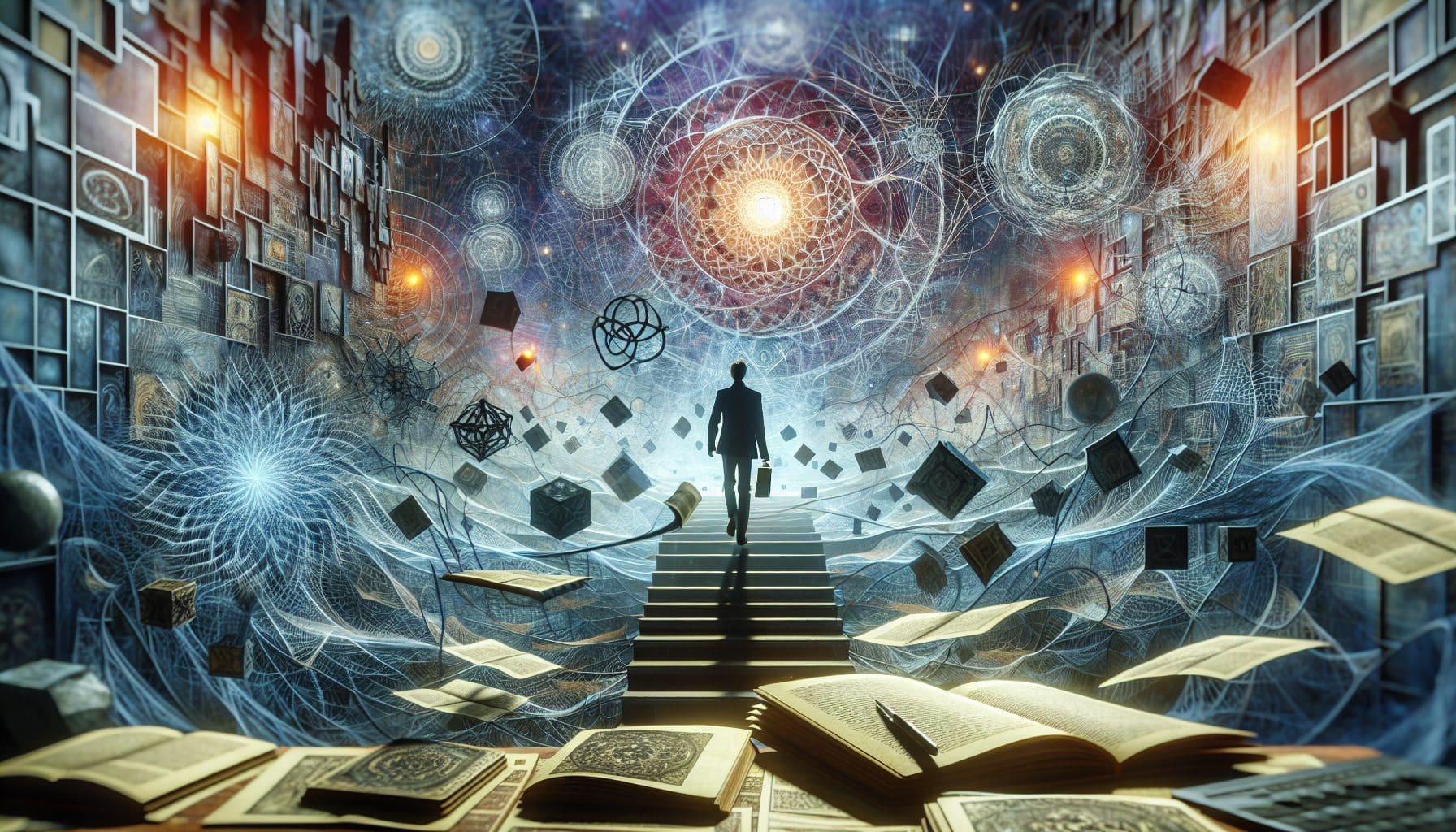

Algorithmic art, also known as algorithmic aesthetics, is a form of art in which the design or creation of artwork is guided by an algorithm. Instead of relying solely on the artist’s intuition and creativity, algorithmic art uses mathematical formulas and computer programs to generate images, patterns, or animations.
The concept of algorithmic art has been around for centuries, with early examples found in Islamic geometric patterns and the intricate designs of Gothic cathedrals. However, with the advancement of technology, algorithmic art has taken on new forms and possibilities.
One of the key aspects of algorithmic art is the idea of randomness and unpredictability. By using algorithms to create art, artists can introduce elements of chance and variability into their work, resulting in unique and unexpected outcomes. This allows for a level of creativity and experimentation that may not be possible through traditional artistic methods.
Additionally, algorithmic art blurs the lines between art and science, as it involves the use of mathematical principles and computer programming. This interdisciplinary approach can lead to innovative and groundbreaking artwork that challenges traditional notions of beauty and composition.
One of the most famous examples of algorithmic art is the work of Harold Cohen, a British artist known for his programmatic paintings created by his software called AARON. Cohen’s algorithmic art has been exhibited in galleries and museums around the world and has received critical acclaim for its intricate and expressive patterns.
Algorithmic art also plays a role in digital media and interactive installations, with artists using algorithms to create dynamic and immersive experiences for audiences. This form of art challenges viewers to question their perception of reality and the boundaries between the physical and digital worlds.
In conclusion, algorithmic art is a fascinating and evolving field that pushes the boundaries of creativity and technology. By harnessing the power of algorithms, artists can create innovative and thought-provoking artwork that challenges traditional notions of artistry and beauty. Whether through intricate patterns, dynamic animations, or immersive installations, algorithmic art offers endless possibilities for artistic expression and exploration.
Share this:

You Might Also Enjoy Reading