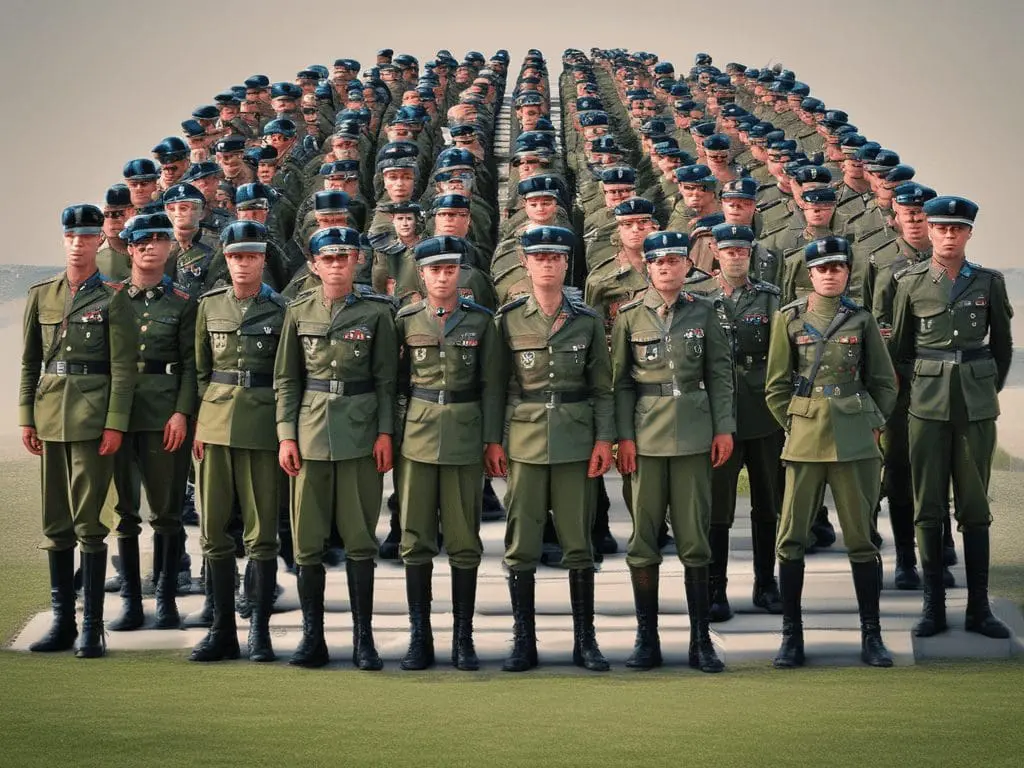

In recent years, tensions between NATO member countries and Russia have been on the rise. The annexation of Crimea in 2014 and ongoing conflicts in Donbass, Ukraine- have reignited fears of a possible World War III. In response to these escalating tensions, NATO has been formulating a plan for how to handle a potential global conflict.
NATO, or the North Atlantic Treaty Organisation, is a political and military alliance of 30 countries that was formed in 1949 to counter the threat of Soviet aggression. Since the end of the Cold War, NATO has shifted its focus to combating terrorism and ensuring security in Europe, but recent events have forced the alliance to reevaluate its strategic priorities.
One key aspect of NATO’s plan for World War III is to strengthen its collective defence capabilities. This includes improving interoperability among member countries’ armed forces, increasing defence spending, and deploying troops to Eastern European countries to deter Russian aggression. NATO has also been conducting military exercises and war games to test its readiness for a potential conflict.
Another important element of NATO’s plan is to build partnerships with other countries and organisations that share its values and goals. This includes working closely with the European Union, the United Nations, and other regional alliances to coordinate responses to crises and conflicts. NATO has also been reaching out to countries in the Asia-Pacific region to establish closer ties and address common security challenges.
One of the biggest challenges that NATO faces in preparing for World War III is the changing nature of warfare. Cyberattacks, disinformation campaigns, and hybrid warfare tactics pose new threats that traditional military strategies may not be equipped to handle. NATO has been investing in cybersecurity and intelligence capabilities to address these emerging challenges and protect its member countries from cyber threats.
Overall, NATO’s plan for World War III is focused on deterrence, defence, and cooperation. The alliance is committed to preventing a global conflict through diplomatic means, but is also prepared to defend its member countries if necessary. By working together and adapting to the changing security landscape, NATO hopes to maintain peace and stability in the face of increasing global tensions.
Share this:

You Might Also Enjoy Reading