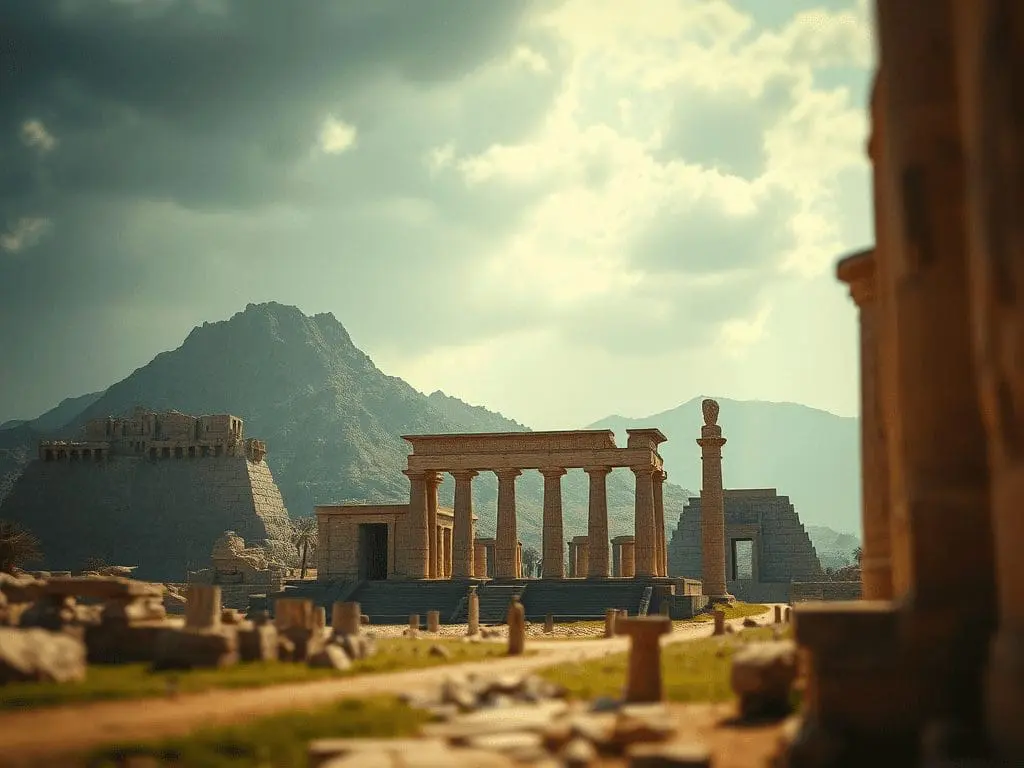
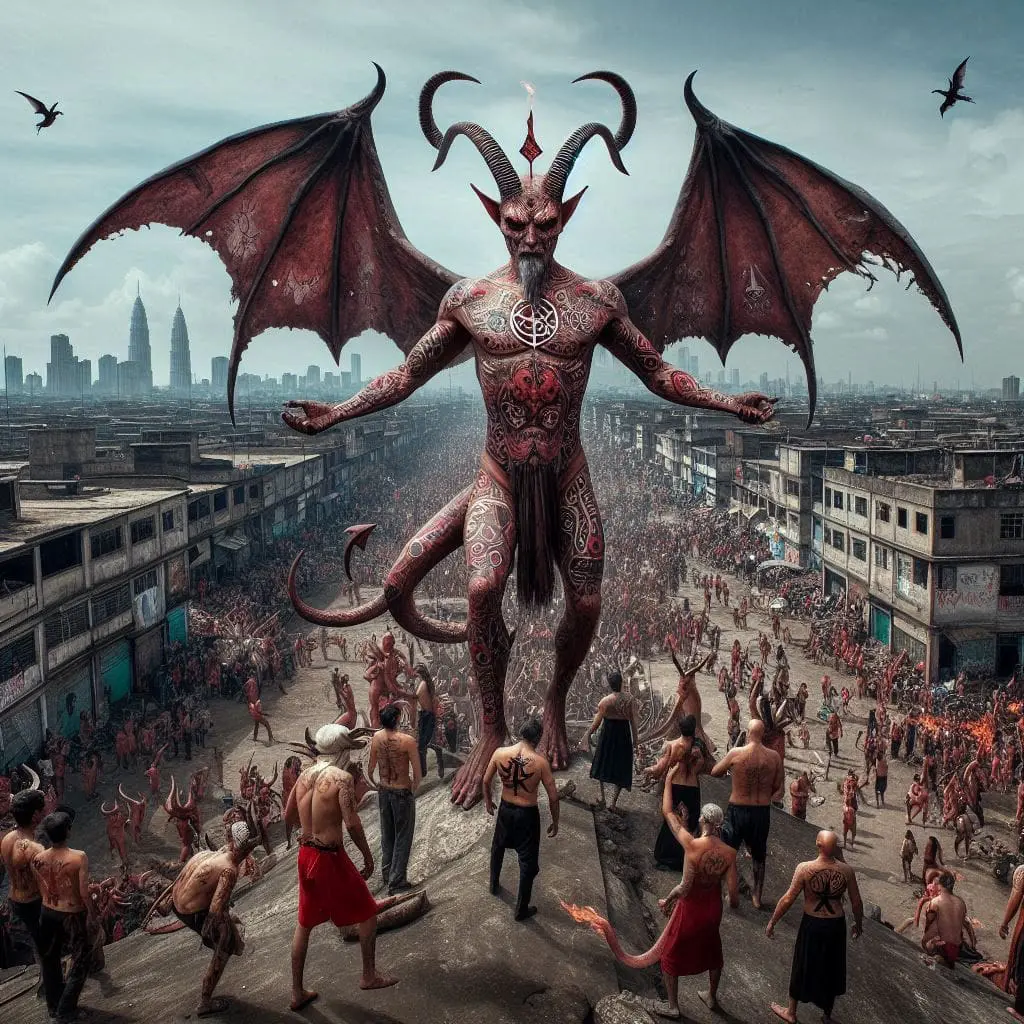
The Third Secret of Fatima has been a subject of intense curiosity and speculation within the Catholic Church and beyond. According to the accounts, the Virgin Mary imparted three secrets to three young shepherds in Fatima, Portugal, during a series of apparitions in 1917. The first two revelations were promptly disclosed, but the third one remained shrouded in mystery for several decades. This secrecy surrounding the third prophecy has fuelled numerous interpretations and theories, adding to the enduring fascination with this enigmatic piece of history. Many have sought to unravel the implications and significance of this undisclosed secret, contributing to an enduring legacy of interest and debate that continues to captivate the imagination of believers and non-believers alike.
Many believers and scholars speculate about the contents of the third secret, with some claiming it predicted the assassination attempt on Pope John Paul II in 1981. Others believe it contains warnings about the future of the Catholic Church and the world. The mysterious nature of the third secret has sparked numerous theories and discussions within the religious and academic communities. Some individuals suggest that the secret holds prophecies about significant global events, while others argue that it may offer insights into the spiritual challenges faced by the Church in modern times. The Vatican’s decision to keep the secret confidential for many years has only added to the intrigue surrounding this enigmatic piece of history.
The revelation of the third secret by the Vatican in 2000 marked a significant moment in the history of the Catholic Church. The secretive nature of the prophecy had sparked intense speculation and debate for decades, with numerous theories and interpretations circulating among both the clergy and the laity. The vision itself, depicting a bishop dressed in white accompanied by fellow clergy and laypeople, embarking on a harrowing journey through a war-torn city to a hill where they met a tragic end at the hands of soldiers, sent shockwaves through the Church and the world at large. The haunting and ominous nature of the vision prompted fervent discussions and raised profound questions about its potential significance and the implications it held for the future. This unprecedented revelation served as a catalyst for further analysis and reflection within the Church, igniting a renewed interest in the intricate relationship between prophecy, faith, and the tumultuous events of the world.
The Third Secret of Fatima, entrusted to the three shepherd children in 1917, continues to be a source of fascination and debate among the faithful and scholars alike. This mysterious revelation, sealed by the Catholic Church for many years, has been the subject of intense scrutiny and speculation. It has been interpreted in various ways, with some seeing it as a stark warning about the future and the potential consequences of humanity’s actions, while others view it as a call to prayer, penance, and a renewal of faith. The enduring enigma surrounding the Third Secret has led to a wide range of opinions and theories, adding to its mystique and significance in the Catholic community and beyond.
Regardless of one’s interpretation, the Third Secret of Fatima serves as a reminder of the power of prophecy and the importance of faith in turbulent times. It is a call to heed the messages of the past and strive for a better future for all.
Share this:

You Might Also Enjoy Reading