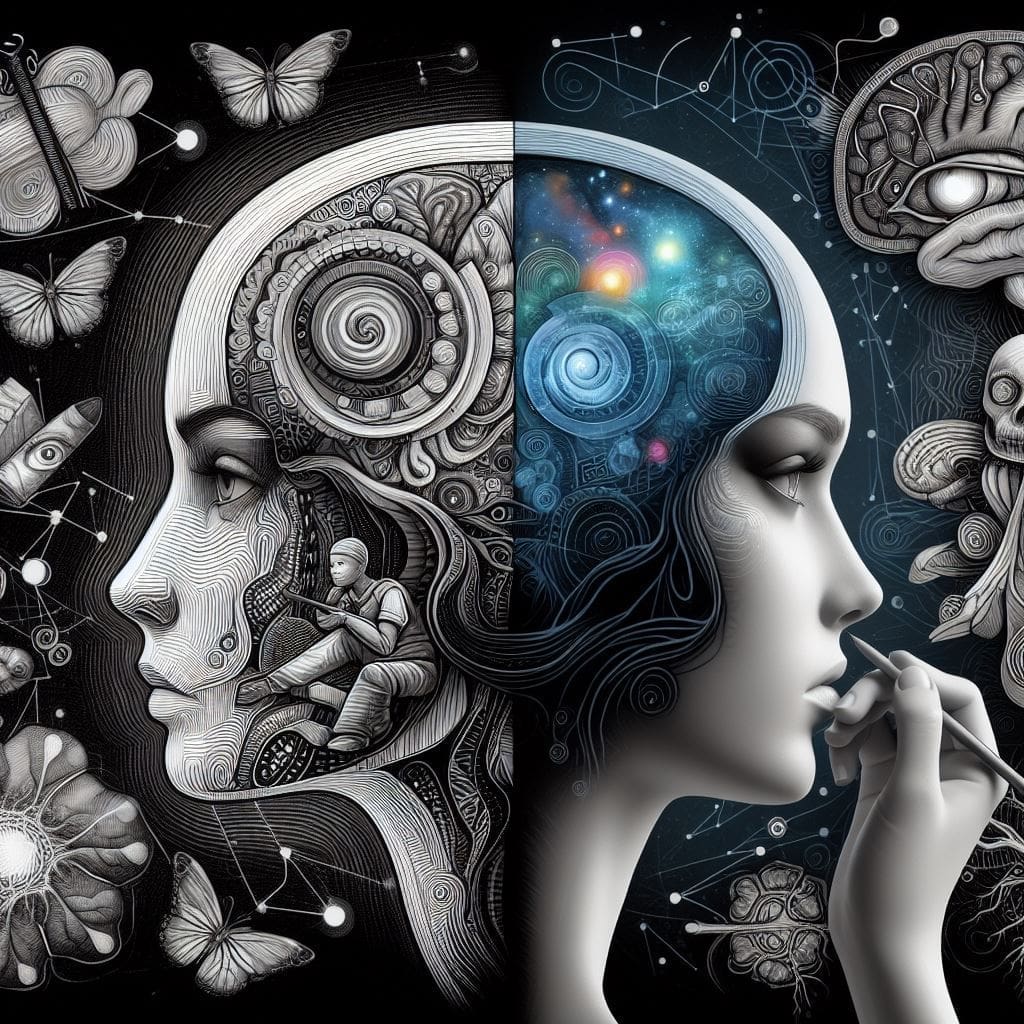

Drawing is a form of artistic expression that has been utilised by humans for centuries. From cave paintings to modern digital art, drawing has long been a way for people to communicate their thoughts, feelings, and ideas. But did you know that drawing also has a profound impact on the human brain?
Numerous studies have shown that engaging in drawing can have a positive effect on various cognitive functions. One of the key ways drawing affects the brain is by improving focus and concentration. When we draw, our brains are forced to concentrate on the task at hand, which can help improve our attention span and ability to stay focused on other tasks as well.
Drawing also stimulates the brain’s creative processes, helping to boost our problem-solving skills and ability to think outside the box. By allowing our minds to wander and explore different ideas through drawing, we are able to come up with unique solutions to problems and think more creatively in general.
Additionally, drawing can have a calming effect on the brain, helping to reduce stress and anxiety. When we draw, our brains release dopamine, a neurotransmitter associated with feelings of pleasure and reward. This can help to reduce feelings of stress and improve our overall sense of well-being.
Furthermore, drawing can also improve our memory and enhance our ability to learn new information. By engaging in the act of drawing, we are creating visual representations of the information we are trying to absorb, which can help us better retain that information over time.
In conclusion, drawing is not only a fun and enjoyable activity, but it also has numerous benefits for the human brain. From improving focus and concentration to boosting creativity and reducing stress, drawing can have a positive impact on our cognitive functions and overall well-being. So the next time you pick up a pencil and paper, remember that you are not just creating art – you are also giving your brain a workout!
Share this:

You Might Also Enjoy Reading